



Address Newsletter
Our weekly digest on buying, selling, and design, with expert advice and insider neighborhood knowledge.
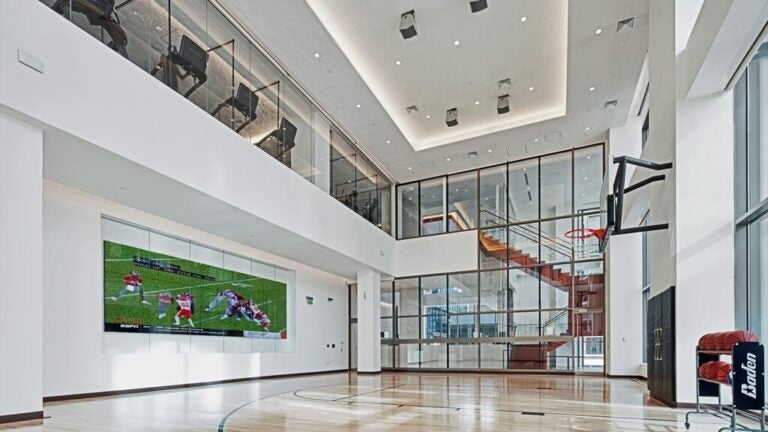
The actual apartment is only one piece of the overall package of rental living these days, especially in some of Boston’s newest residential developments.
Golf simulators, dog spas, and resident-only restaurants might be amenities associated with some of the city’s towering (and pricy) condo developments. But even lesser-luxury apartment buildings have stepped up their amenity packages over the years to include everything from game rooms to podcast studios and pool decks reminiscent of the fanciest of hotels.
So, what’s the latest in the apartment amenities arms race?
“We’re not seeing a replacement of traditional amenities; we’re seeing an expansion of expectations,” said Shengchao Ying, a senior associate of research and analytics services at Greystar, one of the country’s largest apartment developers. “What’s changing is that residents increasingly want spaces that support how they live and connect day to day.”
Greystar’s 2025 Design Survey found that fitness centers and covered parking remain must-haves for more than 80 percent of renters. But layered on top of those basics is a growing appetite for amenities that blur the line between residential and hospitality.


At Gibson Point Apartments in Revere, developer Redgate transformed a former junkyard into a wellness-forward complex complete with outdoor saunas, cold plunges, a recovery room stocked with compression sleeves and vibrating massage guns, and a treatment room for massages and facials. The inspiration has roots that are more than a century old: the site once hosted a wellness retreat in the late 1800s.
“We don’t think it’s trendy,” Damian Szary, a principal at Redgate, said of the increasing emphasis on wellness. “We think it’s going to stick around for a while.”

What makes Gibson Point’s wellness program function, Szary said, is technology that eliminates friction points. Through a resident app called Elevate Living, prescreened service providers (physical therapists, personal trainers, and even estheticians) are bookable directly from a phone. Residents check availability and schedule an appointment in minutes, while the building avoids carrying the cost of full-time staff. The transaction happens directly between residents and providers while Redgate supplies the space. Apartments lease for $2,300-$4,400 a month.
But the wellness philosophy extends beyond equipment. At 273 Highland in Roxbury, Studio G Architects took a materials and design-driven approach.

“We think about wellness holistically — how a building is experienced, functions, and supports everyday life,” said Gabriela Shelburne, principal at Studio G. “That comes to life through healthier materials, abundant natural light, and shared spaces like the gallery-style gathering area that foster connection just as much as comfort.”
The affordable housing building serves households earning 30 percent to 60 percent of the area median income.

Coworking is another front in this amenities race, but the old model is dead. The conference room with a video setup that inevitably got colonized by one person has given way to something more intentional. Gibson Point features 13 individual glass pods with varied seating — including walking workstations — for a 300-unit building. They’re utilized all the time, Szary said.
Ying at Greystar echoed the shift: “Residents aren’t just looking for a desk, they want spaces that support real productivity, whether that’s private areas for focused work, strong connectivity, or adaptable layouts.”

For luxury condo buyers, the bar is higher still. At The EchelonSeaport, Cottonwood Group built out a PGA golf simulator and tech-enabled sports spaces that became a cornerstone of the sales pitch. The building is now 99 percent sold out. Units range from about 500 to 2,000 square feet and are priced at about $1,700 to $2,400 per square foot with fees ranging from $1.50 to $1.77 per square foot monthly. So, as an example, a 500-square-foot condo could be priced at $850,000 with a monthly fee of $750.
Angelica Nouhi, Cottonwood’s vice president of asset management, sees multisport simulators like those offered at The St. Regis Residences Boston as the next benchmark for residential amenities, alongside fully furnished guest suites that owners can book for visiting friends and family.


As for the broader trajectory, Greystar’s Scott Berka, senior managing director of brand and customer experience, sees amenity design evolving from individual features into something closer to community infrastructure.
“Overall, it points to a broader shift; amenities aren’t just about convenience anymore, but about supporting a more engaging, lifestyle-driven experience,” she said.
Our weekly digest on buying, selling, and design, with expert advice and insider neighborhood knowledge.




Be civil. Be kind.
Read our full community guidelines.To comment, please create a screen name in your profile
To comment, please verify your email address