
Address Newsletter
Get the latest news on buying, selling, renting, home design, and more.
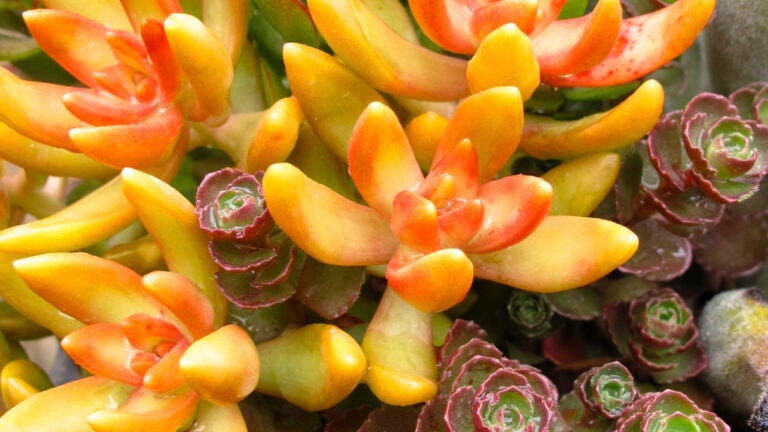
When Julio César Román, founder and owner of Micro Plant Studio in South Boston, started to propagate houseplants, he said he felt “a sense of optimism.”
“Seeing things that are alive and that you have to care for is pretty amazing, because it also shows that you care for something and that you want to make sure it doesn’t die,” César Román said, comparing the experience to owning a pet.
But plant owners can overwater and introduce pests. How can you avoid these common houseplant pitfalls?
Placing a new plant with a bunch of other blooms in your home can risk spreading bugs such as thrips, César Román said. Owners should quarantine their plants for at least a week when they bring them home from a store, he said, and they should buy a sticky trap and place it on the soil. “If there are any flies that come with the plant … [they] will stick to the adhesive,” César Román said.
Within the quarantine period, he said, an owner should take the plant outside and replace its soil. Gnats, he said, live and lay hard-to-remove eggs in the soil, he said.
Thrip bugs like to attack alocasia plants, he said, and stick to the undersides of leaves.
“They usually look like little black spots,” César Román said. “If you touch them with a nail and they move, well, try to use some form of baking soda [or oil].”
If you have meal bugs, which look like cotton, brush them with alcohol, which can burn them off the plant, César Román said.
Weslie Pierre, owner and head designer of Wesleaf Designs and Decor, said the the nutrients in soil are depleted over time.
“And what that looks like is all the sediments from the tap water and all that, they just settle into the soil, and it’s almost like the plant is starving,” Pierre said.
César Román said it may be time to re-pot if you can see the plant’s roots sprouting out of the drainage holes or popping out of the topsoil. Some houseplants, he noted, have aerial roots that are naturally occurring.
The plant also needs space to grow, Pierre said. Tight on space, their roots can start growing in a spiral. If you want your plant to grow, you should shift it into a pot that’s t2 inches larger every spring, she said. And even if you don’t want the plant to grow, you should still replace its soil every 12 to 18 months, she said.
When it comes to watering, César Román suggested the brownie method: Poke a skewer as tall as the pot down through the soil. If the stick comes out dry and clean, then the plant is ready to be watered, he said.
Some people prefer soaking the plant from underneath, while others, he said, like to water from above if the pot has no drainage holes.
The No. 1 killer of houseplants, Pierre said, is overwatering. A plant very rarely needs water every day or every week, she said.
“So, while you can save a plant from being underwatered, once it’s overwatered, … you can’t really come back from it,” Pierre said, recommending that owners have a watering can or cup with lines for measurement. She said to Google your houseplant to determine how much water it needs and when.
They also should have a set of pruning shears, she said, and chop off any leaf that’s more than 50% damaged — otherwise, the plant spends its energy on fixing the leaf rather than growing.
Neem oil can also help the plant fight off fungus and pests, she said, and a cloth for wiping down the plant can also be helpful.
A plant owner needs to know all about the plant they are buying before walking out of the store, Pierre said. She said buyers can ask employees or use one of several apps that identifies different plants.
Pierre said buyers should ask themselves, “Do I as a person have what it takes to take care of this plant?”
Get the latest news on buying, selling, renting, home design, and more.





To comment, please create a screen name in your profile
To comment, please verify your email address
Conversation
This discussion has ended. Please join elsewhere on Boston.com