
Don’t have a green thumb? Get a cactus. Here’s why.
Succulents, which are plants with fleshy stems or leaves, are ideal houseplants.
Succulents, which are plants with fleshy stems or leaves, are ideal houseplants. They have interesting shapes, are relatively pest-free, and thrive in dry heated homes and on neglect.
Let’s look at cactuses, which are just one kind of succulent.
Cactuses are native only to the Americas, having evolved 60 million years ago when upward-pushing mountains transformed the then-lush tropical climate of the western Americas to desert. With thick stems for water storage (a giant saguaro cactus of Arizona can store 500 gallons), an absence of leaves, which reduces water loss, and waxy coatings to hold in water, the cactus family thrived despite parched conditions.
To fend off thirsty and hungry animals, many species developed spines.

Origin and variety
Over time, cactuses spread from within the Arctic Circle down to the tip of Chile. I have seen flat, green pads of opuntias growing wild on New York beaches and Christmas cactus growing wild in the crevices of trees in tropical rain forests. With the exception of Vermont, New Hampshire, and Maine, every state in the United States has at least one species of native cactus. (In Massachusetts, there’s the prickly pear.)
The cactus family is varied in morphology and use. Take, for example, the small, button-shaped Lophophora williamsii. This cactus, called peyotl by the Aztecs, is the source of the hallucinogenic drug mescaline.
Visual oddities abound. The old-man cactus (Cephalocereus senilis) has a shaggy covering of long, hoary ‘‘hair.’’ The lamb’s-tail cactus (Wilcoxia senilis) has slender stems that seem to pour out from the swollen root that protrudes above the soil line. Some of the moon cactuses (Gymnocalycium spp.) have had their green chlorophyll bred out of them, so they are now red. Without chlorophyll, they can’t survive, so they are grafted on top of other cactuses.
Edible cactuses
Some cactuses are good food. The pulp of the barrel cactus (Echinocactus spp.) can be pickled. This cactus resembles a large pincushion stuck full of pins; it’s called ‘‘mother-in-law’s chair’’ in Germany. The fruit of Pereskia aculeata is commonly called the Barbados gooseberry, native to the West Indies, and is eaten like our northern gooseberries (which are spiny shrubs in the Ribes genus and are not cactuses).
Some species of Cereus cactuses bear edible fruits in addition to deliciously fragrant, nocturnal blossoms. Closely related is pitaya (Hylocereus spp.), whose fruit has a dramatic appearance and now turns up on market shelves occasionally under the name of dragon fruit.
Opuntia cactuses are the most common edible cactuses. You can find these fruits, called prickly pears, tunas, or nochtli (if you are Aztec), in food markets. The flavor is akin to a refreshing, very seedy watermelon. The flat pads of this cactus are cooked and eaten as a vegetable — after the spines are rubbed off.

Spectacular flowers
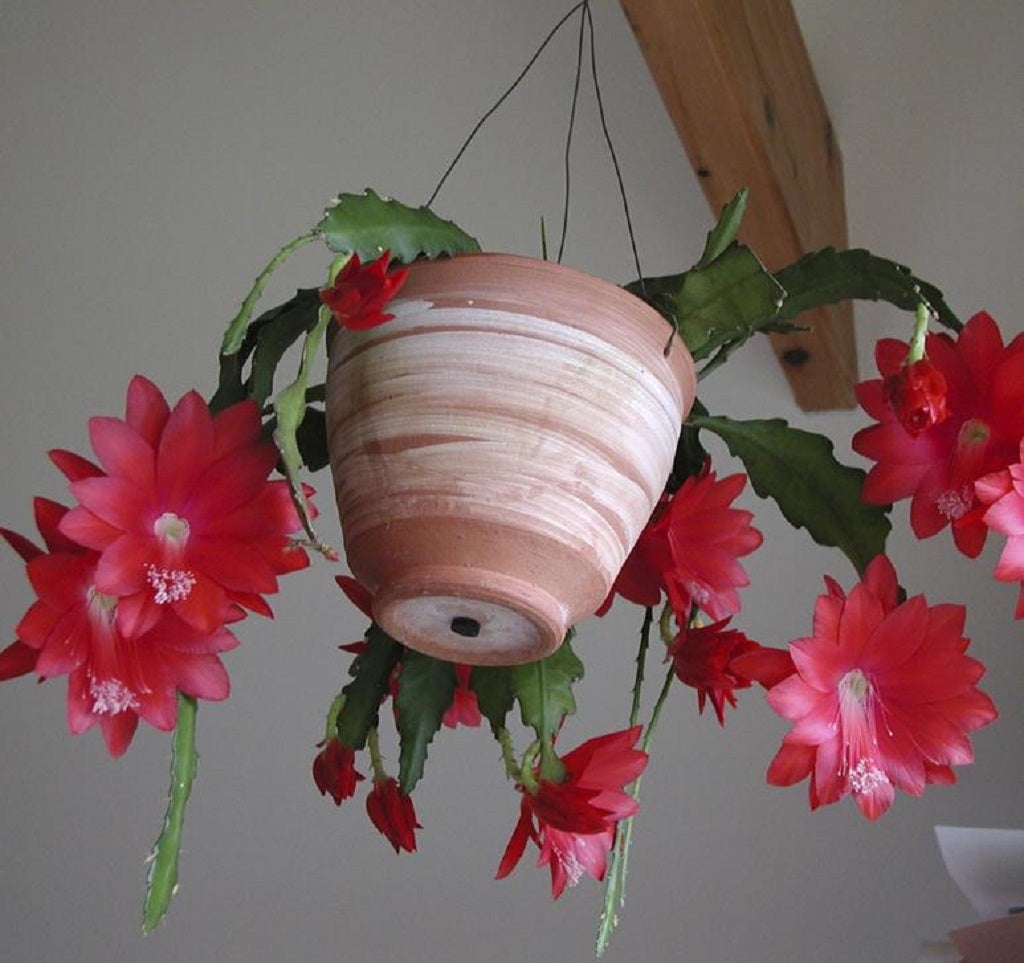
Cactuses commonly have spectacular flowers, made more dramatic by their prickly pedestals. Cactuses such as mammilaria, notocactus, lobivia, and rebutia bloom indoors with very little coaxing (rebutia often twice each year). I expect fat flower buds to appear in a few weeks along the stems of my orchid cactii, Epiphyllum; given a few more weeks and the various plants’ buds open to spectacular red, pink, or white blossoms.
Caring for a cactus is easy and can be summed up as follows: Provide good drainage by adding extra sand or perlite to any potting mix. Do not overwater.
I water my cactuses two or three times, or even not at all, in winter. In summer, once every week or two is plenty. Watch the stems. If the plants shrivel or pucker, don’t worry; just water them. If in doubt about whether or not to water, don’t.





To comment, please create a screen name in your profile
To comment, please verify your email address
Conversation
This discussion has ended. Please join elsewhere on Boston.com