
Sign up for the Today newsletter
Get everything you need to know to start your day, delivered right to your inbox every morning.
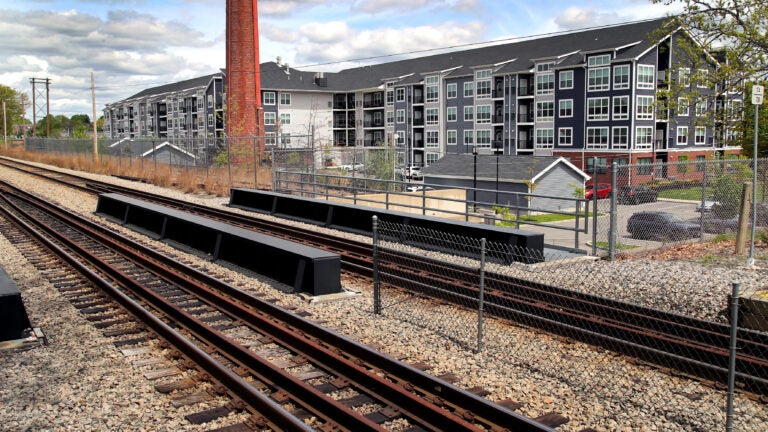
Massachusetts needs to build at least 222,000 housing units from 2025 to 2035 if the state wants to “stay competitive and lower costs,” officials say.
The Healey-Driscoll Administration released the initial results of Massachusetts’ first comprehensive statewide housing plan on Thursday, aimed to “increase housing production, meet the unique needs of communities, and lower costs across the state,” the governor’s office said.
However, whether the state can actually meet its goal of building the 222,000 units in the next decade is a different question. Interest rates, construction costs, funding, and local governments’ limitations on housing development are the main factors affecting housing production in Massachusetts, according to Marc Draisen, executive director of the Metropolitan Area Planning Council.
“It’s going to be hard,” Draisen told Boston.com. “Very often in life, the things that are most worth doing are difficult, and I guess this is one of them.”
The state added an average of 19,000 units per year from 2010 to 2020, according to the report, but the latest numbers show that building has slowed, with only 11,600 homes issued building permits in 2023.
The report, created in consultation with the Executive Office of Housing and Livable Communities and the Housing Advisory Council, found that every region in the state needs to build new homes in order to reach the target. Over 3,000 people were involved in the plan’s development.
If the state does not meet its target, housing prices and homelessness will increase and more people will move out of the state, Draisen warned. Out of the 120 people in his agency, about 20 people have left because they were unable to afford housing in the region.
“We’re already losing workers because people can’t afford to live here, and that harms our economy,” he said.
The MBTA Communities Act — which has been met with staunch opposition from many Massachusetts residents across the state — is one of the ways the state aims to reach its housing goals.
Over 116 communities have approved new multi-family zoning near transit under the MBTA Communities Act, according to Healey’s office, and more than 3,000 new housing units are under way.
Last month, the Supreme Judicial Court ruled that the controversial act is constitutional and Attorney General Andrea Campbell has the power to sue noncompliant towns. However, the ruling also necessitated new emergency regulations, giving towns that missed their 2023 and 2024 deadlines more time to comply.
Draisen called the act a “bright ray of sunshine.”
“It’s going to help us reach the 222,000 unit goal, but it’s not sufficient on its own,” he said. “We still need a physical change in policy, and we still need additional investment in order to be able to achieve that goal.”
The Affordable Homes Act, another strategy to meet the state’s housing goals, is expected to create or preserve 65,000 dwellings, the office said.
Greg Vasil, CEO of the Greater Boston Real Estate Board, said the plan is a “necessary reminder” that local leaders need to “incentivize housing creation across all price points.”
“Residents and employers are being driven out of the state due to astronomical housing costs that could be mitigated through significant increases in housing production,” Vasil said in a statement. “State leaders must be bold, forward thinking and avoid putting a bandaid on the problem.”
A full digital version of the plan will be released in the spring.

Get everything you need to know to start your day, delivered right to your inbox every morning.




To comment, please create a screen name in your profile
To comment, please verify your email address
Conversation
This discussion has ended. Please join elsewhere on Boston.com