
One doctor explains how you can help stop the overprescription of antibiotics
A newly published study found 1 in 3 prescriptions are unnecessary.
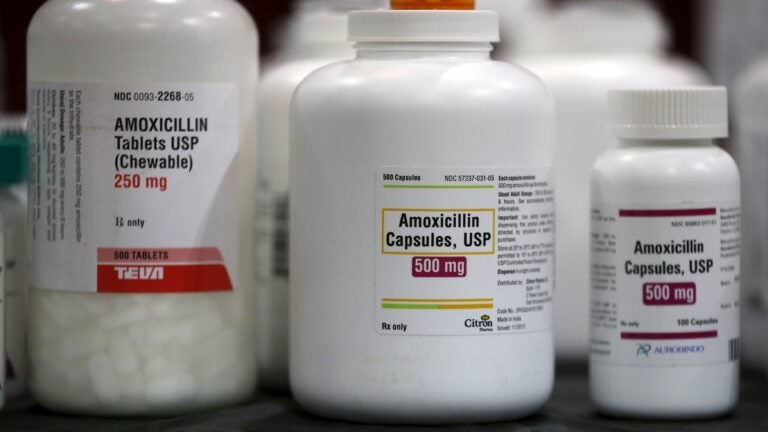
In 2015, the White House set a goal to cut the number of unnecessary antibiotic prescriptions in half by 2020 as part of a plan to combat drug-resistant bacteria known as “superbugs.”
To help reach that end, the CDC and Pew Charitable Trust convened a panel of researchers to delve into the data and identify what the appropriate antibiotic prescription rate should be.
The study, published in JAMA this month, found that of 47 million antibiotic prescriptions written each year, about 30 percent are unnecessary.
Dr. Jeffrey Linder, one of the authors of the study and an internist at Brigham and Women’s, said the mindset around antibiotics has to be changed.
“We’re just sort of stuck in a rut of prescribing antibiotics out of habit, and I think once everybody collectively — so patients, doctors, everyone, together — are a little more thoughtful and open with each other about what antibiotics work for and don’t, I think we can hit this national reduction target for antibiotic prescribing,” he said.
Linder said the first place to start is reducing unnecessary prescriptions for three particular diagnoses: sinus infections, sore throats, and acute bronchitis. The single biggest thing patients can do to help, he said, is to “disarm the doctor,” which is starting the conversation with your doctor by saying that you only want an antibiotic if it’s really needed.
Doing so will change the “whole tenor” of the visit, he said.
“The doctor’s presumption is often that the patient is there to get antibiotics,” Linder said. “Which in most cases is not right. But we’re actually even a little nervous to bring it up because we might find out that the patient really does want antibiotics.”
Patients should also be realistic about how long it can take to get better.
“Nobody likes to be sick, and we’re all used to instant gratification with the internet,” Linder said. “But the reality is that colds can last two weeks. The cough from acute bronchitis on average lasts three weeks, whether you take an antibiotic or not. And sinus infections can take a while to get better.”
He estimated about 50 percent of antibiotic prescriptions for respiratory infections are inappropriate. And while it feels more satisfying to pretend antibiotics are a magic cure, he said, there are three big reasons why the rate of overprescription should be reduced.
“The number one reason to avoid inappropriate antibiotic treatment for yourself is that you’re taking something that’s not going to help you and could really hurt you,” Linder said.
Adverse effects from antibiotics range from minor rashes or unsettled stomachs to the more severe, like diarrhea or infections.
The rise of antibiotic-resistant bacteria in communities using the treatment is of big concern, Linder said. An estimated 2 million people are diagnosed with the “superbugs” each year, according to the CDC.
Plus, Linder said, the excessive handing out of the treatment is a lot of unnecessary cost.
“It’s just kind of a waste of money on drugs that we don’t need,” he said.





To comment, please create a screen name in your profile
To comment, please verify your email address
Conversation
This discussion has ended. Please join elsewhere on Boston.com