

Sign up for The Dish
Stay up to date on the latest food and drink news from Boston.com.
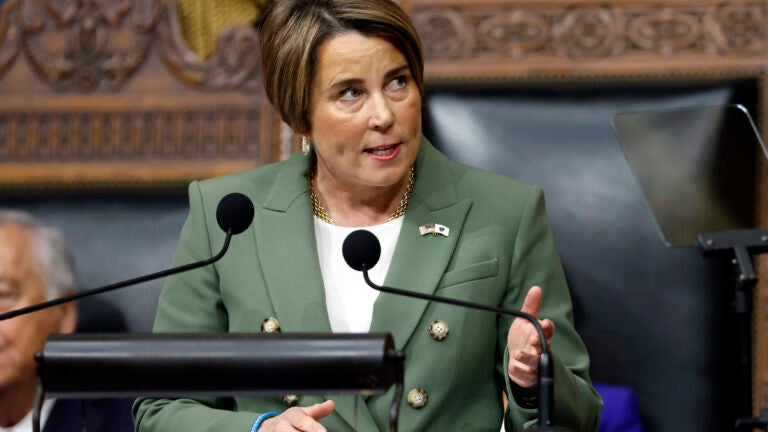
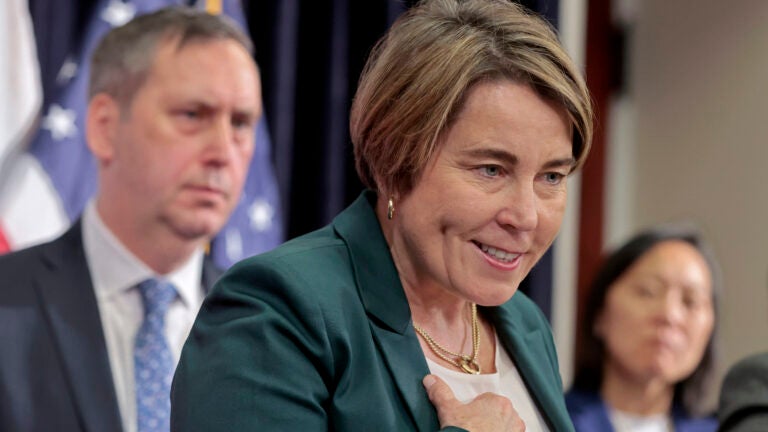
The Gov. Maura Healey administration refiled the Municipal Empowerment Act on Friday that would give local governments the authority to raise taxes on items like lodging and meals, in order for cities and towns to potentially generate more revenue.
According to a press release, local leaders could raise lodging taxes on hotels from 6% to 7%, and meal taxes from 0.75% to 1%. Boston leaders could increase taxes on lodging from 6.5% to 7.5%.
Municipalities could also take advantage of a surcharge up to 5% on motor vehicle excise bills for local stabilization funds, used by cities and towns for emergencies or unforeseen expenses.
The goal of allowing towns to increase these select taxes, according to the press release, is so local officials can pay for services without feeling obligated to raise property taxes more.
“Every Massachusetts resident deserves to live in a community with high-quality local services, from safe roadways to access to good jobs and schools,” Healey said in the press release. “Our administration knows that city and town officials know their communities the best, and that’s why we want to empower them with the tools to make the choices they need to provide the best local services that meet the unique needs of their communities.”
The Municipal Empowerment Act was initially filed early last year and was met with mixed reaction. Officials from multiple cities were supportive of the legislation, as was the Massachusetts Municipal Association.
But business owners and groups saw the legislation as just another road block that could deter residents and visitors from patronizing their businesses, according to the Boston Herald.
The bill also didn’t make it out of the Democrat-controlled legislature last year.
According to reports from the Herald and MassLive, it appears the same battle lines are drawn, though it isn’t immediately clear how state Democrats will approach the bill. The press release included a list of statements from supporters, including Mayor Michelle Wu.
“Cities and towns depend on support from the Commonwealth to diversify our revenues, build schools, and cut the red tape on buying goods and services from local businesses,” Wu said in the statement. “Thank you to Gov. Healey and Lt. Gov. [Kim] Driscoll for your ongoing partnership with the City of Boston and all our municipal governments.”
Beacon Hill’s Republicans told MassLive that the legislation shifts “the burden onto residents instead of providing sufficient state aid.”
The proposal would also:
A proposal that would have given municipalities the freedom to decide their town’s own cap of liquor licenses, which was removed temporarily from last year’s Municipal Empowerment Act, remained shelved.

Stay up to date on the latest food and drink news from Boston.com.





To comment, please create a screen name in your profile
To comment, please verify your email address
Conversation
This discussion has ended. Please join elsewhere on Boston.com