
Yes, Cold Weather Means More MBTA Delays
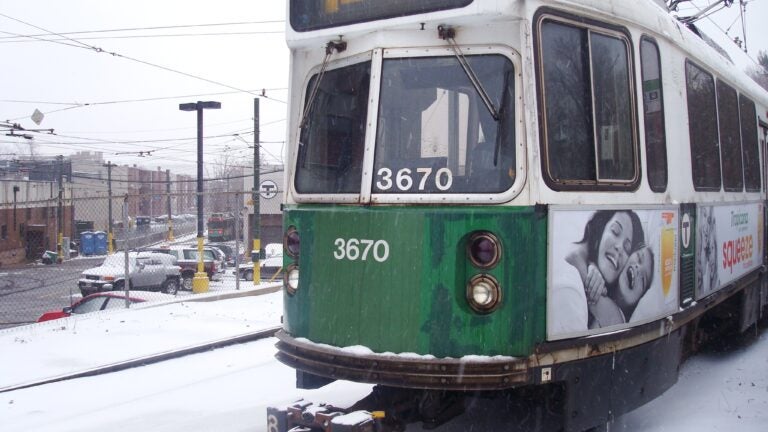
This morning, amid the sub-zero temperatures, T riders grumbled about delayed trains as usual.
[fragment number=0]
The MBTA tried to explain calmly.
[fragment number=1]
But this rider had no such patience.
[fragment number=2]
You may have noticed more delays than usual on the T these past few days. Turns out, the cold does have a big effect on the trains. All T lines and commuter rail lines run on air brake systems, which can malfunction in the cold weather, according to MBTA spokesperson Joe Pesaturo.
Alright, let’s get technical. The system is composed of air compressors that funnel air through pipes. When the conductor wants to stop the train, he or she steps on the brake pedal, which releases the air pressure that was holding off the brakes and brings the train to a halt.
When it’s very cold, the air brake systems can lock up if moisture gets into the pipes and freezes.
The cold weather could also cause cracked rails. The rails can contract when they’re cooled (and expand in the heat), and extra stress could cause them to crack. The track switches could also freeze up and malfunction.
When it snows, the snow could build up on the tracks and if it gets in the undercarriage of the train, that’s more bad news.
Too bad one of the nation’s oldest transit systems also has to deal with some of the harshest winter weather.
Here’s what the MBTA is doing this week to ensure your delays aren’t too delayed, according to Pesaturo. Trains are being stored in tunnels and maintenance facilities, staff members are on hand to constantly move the trains, test the brakes, and check the air systems.
There are also people checking that the switches haven’t frozen over, and there are people on hand to repair cracked rails quickly.
Those who go by car, lucky you. But take precautions to protect your car from the cold.




To comment, please create a screen name in your profile
To comment, please verify your email address
Conversation
This discussion has ended. Please join elsewhere on Boston.com