
What you can expect from Tuesday’s nor’easter
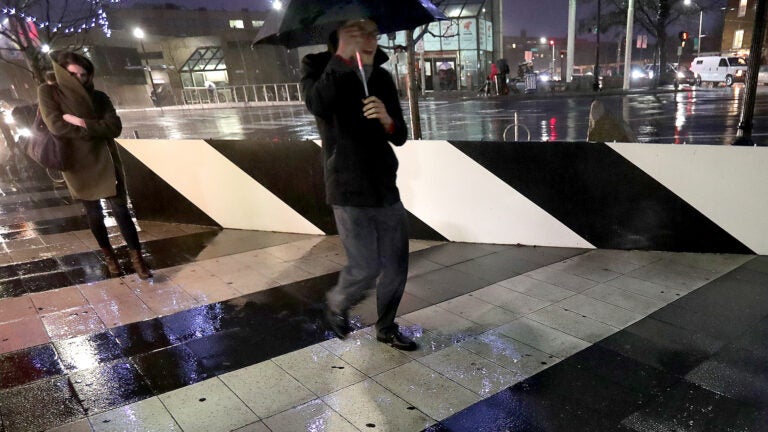
By now, most of you have heard there is a nor’easter on the way for late Monday night and Tuesday—but what exactly is it going to bring?
The storm was located off the mid-Atlantic coastline early Monday evening and will move northward over the next 24 hours, eventually turning east and weakening over the Atlantic Ocean. Typically, a storm taking this track would bring snow to much of New England, but the lack of cold air will prevent this and lead to more rain.
http://giphy.com/gifs/d1E2tSfaHvPAPBss
A nor’easter will bring a mixed bag of precipitation to the area Monday night and Tuesday. (Source: Tropical Tidbits)
The biggest challenge forecasting this storm is knowing how much warm air will be present between the ground and the clouds. If the temperature in this area were to be below freezing, we would be looking at a 12- to 18-inch snowstorm. If the ground temperature were to be really warm, we would be looking at 1 to 2 inches of rain, which is the likely outcome. This won’t be a major snowstorm or a major ice storm.
Timing of the storm
Although there was light precipitation Monday afternoon, the storm won’t really arrive until the evening, and will continue into Tuesday morning. The rain will taper Tuesday afternoon, but showers—even heavier ones—could still occur into Tuesday evening, before the whole system ends later Tuesday night. With all of this moisture, street and small stream flooding is possible, but since we are still in a drought, rivers should be fine.

The heaviest rainfall will be along eastern areas of southern New England.
Why no snow in Boston?
The storm will have a combination of warm and cold air, with a layer of warmth just large enough to melt the snow and a layer of cold just thick enough for it to refreeze. The image below on the left is a prediction of the atmosphere over Fitchburg Tuesday morning. The black line represents temperature, and this line is forecast to bulge above freezing. This layer of warm air will melt the snow falling from the clouds, but the rain will then freeze into pellets of ice, aka sleet.

Warm air at about 6,000 to 7,000 feet will create a sleet and freezing rain situation.
The exact depth of each layer determines where you will receive sleet or freezing rain. As warmer air infiltrates the system, the trend will be for more rain, but as you can see from the images above, places north of Route 2 and west of Route 495 will see the highest likelihood of sleet.

Sleet and heavy rain will make for slow travel late Monday and Tuesday.
Winds will be an issue
It will be windy, and there is a high wind warning along the coast with a wind advisory inland. This means winds could be strong enough, especially along the coast, for some scattered power outages.

Winds will be strongest along the coast, but still quite noticeable inland.

Winds will be very strong early Tuesday morning.





To comment, please create a screen name in your profile
To comment, please verify your email address
Conversation
This discussion has ended. Please join elsewhere on Boston.com