
How to watch the Perseid meteor shower this month
Some scientists are predicting meteors at the rate of 200 per hour during the peak.
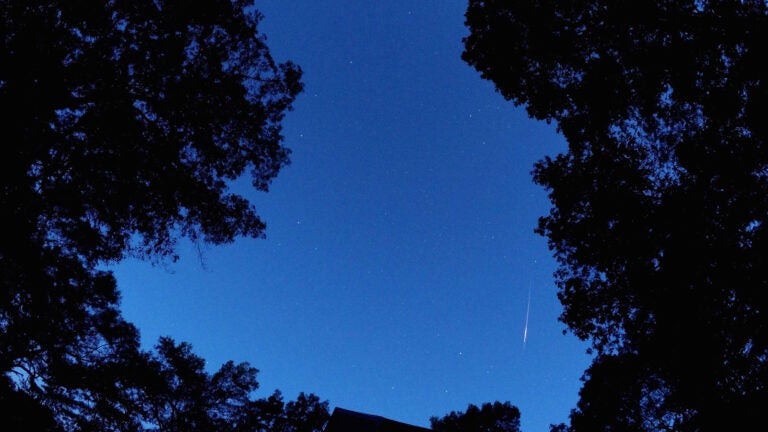
The peak has finally arrived and with a little luck, skies should be clear enough for a good show. As we head deeper into August, we’re in store for warm evenings and overnight temperatures often well into the 60s. This sets up ideal conditions for viewing one of the most anticipated meteor showers of the year: the Perseid.
The Perseid meteor shower is a result of the Earth moving through the trail of dust and debris left by Comet Swift-Tuttle. Comets are often referred to as dirty snowballs; as they hurl through space, they leave a wake of debris behind them. As this debris—most of which is about the size of a grain of sand—hits Earth’s atmosphere and burns up, it creates those streaks of light we call shooting stars or meteors. These pieces of debris, which move at 37 miles per second, vary in density from year to year. That’s why the Perseid show is better in some years than others.

The Perseid meteor shower is an annual event during August.
This year, we’re expecting a serious show.
The Earth is passing through a particularly dense part of the debris, meaning more particles to burn up upon entering our atmosphere and, therefore, more meteors. The average year produces 60 to 80 meteors per hour, but this year, the number could be 50 percent or more higher. I’ve seen some estimates of 200 meteors per hour—that would be pretty amazing. However, like the weather, these things don’t always materialize as predicted.
On a clear night, you can see the meteors. That said, I generally recommend finding an open and dark area to view them—you need to get 10 miles or farther away from Boston to really get a good view, because the closer to a city you are, the more light pollution there is. You can sit in a chair and face northeast, but I prefer lying flat on the ground to get a view of the entire sky. Allow about 15 minutes for your eyes to adjust.
The peak of the meteor shower is predicted for the night of August 11-12.
If you can get up early or stay up really late, watch after moonset and before dawn the mornings of August 11, 12, and 13. (During the first part of the night, the light from a waxing gibbous moon will interfere with what you’ll be able to see.) And if you want to watch exactly during the peak, plan on staying up all night August 11-12—as in, the evening of August 11 through the morning of August 12. That’s when the show should be at its best.
Of course, all of this depends on the weather cooperating. Cloudy skies or even partly cloudy skies will prevent this from being a worthwhile experience. That’s why I recommend looking for meteors on any clear night during the next few weeks. Check the forecast before you venture out. If clear skies are predicted, you’re good to go!



To comment, please create a screen name in your profile
To comment, please verify your email address
Conversation
This discussion has ended. Please join elsewhere on Boston.com