You can text the front desk at these Boston hotels
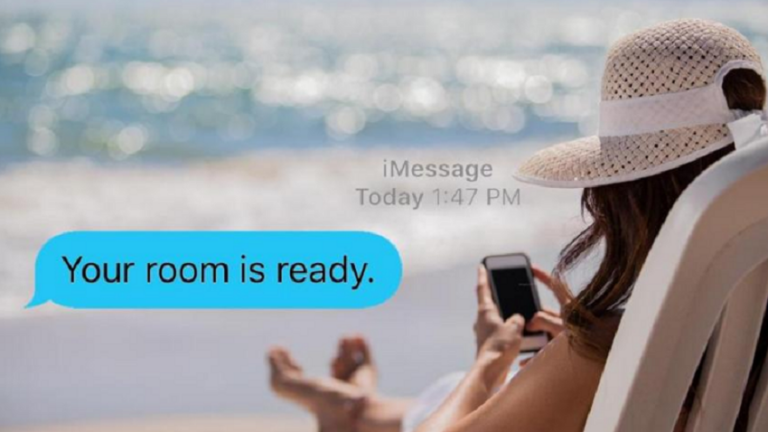
“When was the last time you called someone?’’ Kathryn Menio asks. “Texting is something we all do, because you can do it quickly while you’re busy with other things,’’ the Hilton Boston Logan Airport’s director of guest services adds.
It’s true: One doesn’t have to be a millennial to appreciate texting as an efficient means of communication. Over the past couple of years of experimenting, many hotel companies found texting with guests can elevate the level of service — and the speed of it, too.
“We can take care of guests much more efficiently,’’ says Kimpton Hotels vice president of hotel operations Nick Gregory. Kimpton’s Hotel Marlowe in Cambridge and Boston’s Onyx Hotel were among its first properties to add guest texting. “Guests might want a late check-out, or have their car brought ’round. Or, if say, their room isn’t ready on time, we can text them an apology and tell them there’ll be a knock at the door with a bottle of champagne. No bothering them with calls, it’s just done.’’
Texting is proving essential in taking care of small annoyances that might cloud a stay.
“We’ve found that guests are hesitant to voice things that aren’t monumental,’’ says Fairmont Copley Plaza’s director of front office, Jamie MacDougall. “But via text they’re more open to share small things, and this gives us the opportunity to remedy and turn that around, so guests leave with a positive experience.’’
At peak times like check-in and check-out, texting relieves the burden on front desk and concierge staff, freeing them to concentrate on face-to-face or phone interactions. At a busy airport hotel like Hilton Boston Logan, timing is often tight for flights and business meetings, and Menio says texting eases everyone’s stress: “It’s immediate: guests aren’t sitting on hold or waiting in line when it’s busy at the front desks,’’ she says. “We can receive an attachment and print out boarding passes, too, so guests can run quickly out of the door.’’
Of course, you don’t have to text: “Guests who don’t want to text have the opportunity to opt out at check-in, but most find it very useful,’’ says MacDougall. “Say you’re out on the town and decide you’d like dinner reservations when you get back. We can arrange that via text.’’
Gregory says it’s a service that’s still evolving though: “Our GM at our Palomar in Arizona had the idea of putting the texting info on the back of the key card. We like that idea, so that might be something we’ll add.’’
MacDougall sees clear signs that texting has boosted guest satisfaction. “We noticed that since we started using texting, our online reviews have increased in number, especially with positive service comments.’’
No one reports any blunders and, apparently, security and privacy issues are no greater than with any other digital transaction. “The guest’s phone number is concealed, we never take credit card info via text; all the safety procedures are in place,’’ says Menio.
Just don’t expect the hotel to be texting you smiley faces.
“We receive emojis, but we don’t send them,’’ says MacDougall. “We want a clear conversation with proper punctuation and no abbreviations to avoid any confusion.’’
But could that smiley face replace the human concierge or front desk staff? It seems not: “The concierge isn’t going anywhere,’’ assures Menio. “People crave human interaction and recommendations. We can text information, but the personal face-to-face interaction adds on to that. It builds great guest interaction: after a text you’ve already got a rapport. It’s just like dialing O,’’ she adds.
“I’ve had 29 years in this industry, and I’m old-school trained in that all interactions are best done face to face,’’ says Gregory. “I was leery at first,’’ he admits, “but my daughter gives me perspective on how people communicate today. Half of our Kimpton hotels now use it and we’re aiming for 100 percent next year.’’