
Get the latest Boston sports news
Receive updates on your favorite Boston teams, straight from our newsroom to your inbox.
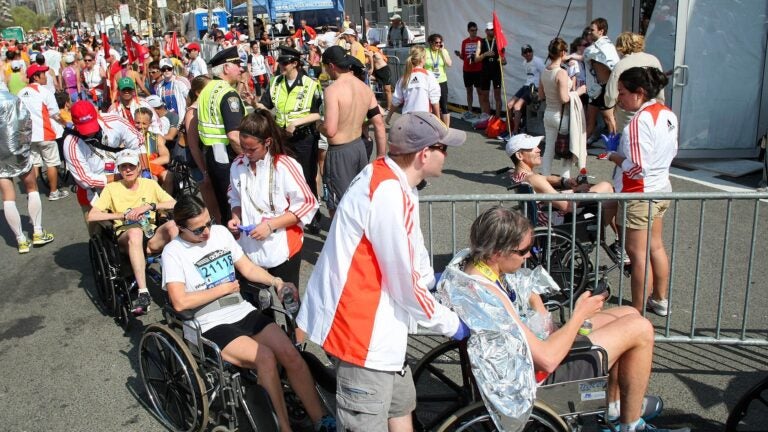
Dr. Adam Tenforde, the director of running medicine and a sports medicine physician at Mass General Brigham, says a well-tuned marathoner is also tuned into the forecast.
Depending on weather conditions — which can change dramatically during a run that lasts longer than two hours — runners might see tailwinds that push them to personal records, or suffer from a myriad of health conditions, including dehydration and hypothermia.
During the 2018 Boston Marathon, more than 2,700 runners, including 25 elite athletes, received medical treatment due to “dangerously cold” weather, according to the Boston Athletic Association. Ninety-one runners were taken to the hospital. According to the BAA, 4.2% of the runners who started the 2018 race did not finish it.
Finish the story on BostonGlobe.com.
Receive updates on your favorite Boston teams, straight from our newsroom to your inbox.



To comment, please create a screen name in your profile
To comment, please verify your email address
Conversation
This discussion has ended. Please join elsewhere on Boston.com