4 lessons the Celtics can learn from series loss to Cavaliers
The Celtics will head into the offseason with plenty of takeaways from the Cavs series
COMMENTARY
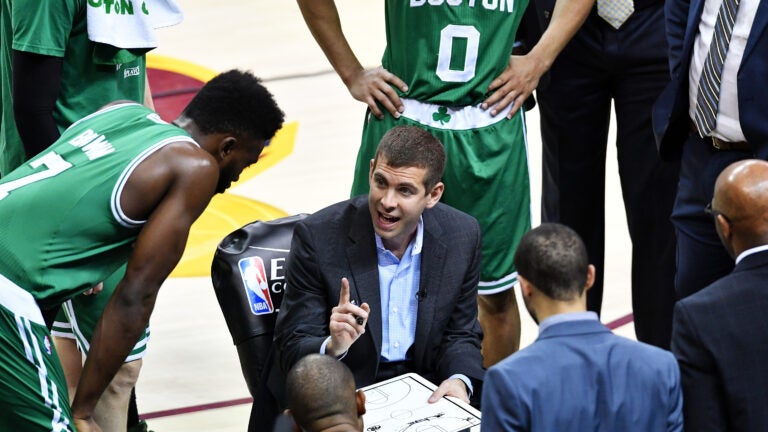
The Celtics’ season came to a crashing halt on Thursday night, after the Cavaliers ran away with a 135-102 Game 5 win to earn a 4-1 series win and their third consecutive trip to the NBA Finals.
“We see that the team to get past is Cleveland, and right now we’re not there,” veteran Celtics big man Al Horford said after the game. “I’m proud of our group. It felt like we grew as the year went on. Not the way we wanted to finish, but we came a long ways from the beginning of the year, came together. We still have to keep growing as a group and getting better.”
The mismatch with Cleveland was the first taste of the Eastern Conference Finals for nearly every member of the Celtics roster outside of Horford. With the front office primed to make some offseason moves to help close the gap between the two teams, here’s a look at a few lessons the Celtics can take from their lopsided defeat.
1. Danny Ainge must find an answer for Cavs big man Tristan Thompson: Tristan Thompson corralled 16 offensive rebounds in five games in the Eastern Conference Finals, a higher total than any member of the Celtics grabbed on the defensive glass outside of Jae Crowder (29 rebounds). For two of the last three postseasons, Thompson has been a difference maker in the paint against Boston, providing second-chance opportunities for one of the best offenses in the NBA. For a Cleveland team that already shot 53.4 percent from the field in the series, it’s hard enough for Boston to get a single stop on any defensive possession. After three years of inept defensive rebounding, it’s time to give Brad Stevens more to work with on the glass. Whether it’s first-round stash Ante Zizic or another big man on the trade or free-agency markets, it’s hard envision the Celtics ever getting past the Cavs without an effective deterrent to Thompson on the block.
2. We saw what a Celtics team without Isaiah Thomas might look like: The Celtics were obviously a better team with Thomas on the floor during the 2016-17 season, but the possibility that he won’t be on the team after his contract expires next summer is very real. Boston is limited in how many max contracts it can hand out while maintaining a fiscally responsible payroll; and Ainge could determine that the C’s are better off using big money on scorers with more size (Gordon Hayward, Paul George or Jimmy Butler via trade) instead of Thomas. While that decision doesn’t have to be made this summer, an extended look at Boston’s roster against the defending champions over the last three games provided a valuable glimpse for the front office. How much of a step back did Boston’s offense take without Thomas in the last three games? Can Marcus Smart run the team in a high-pressure setting? What was the true benefit to the team’s defense without having to hide Thomas? Three-plus games is a small sample size to make any grand declarations, but it should help the C’s front office make a more informed decision.
3. Some of the young guns are ready for bigger roles: The playoffs usually provide reality checks for young pieces of a roster. Whether it’s facing more pressure with the ball or needing to be tighter with defensive rotations, inexperienced players can be exposed quickly when the lights are brighter. That hasn’t been the case for Boston’s youth though. Jaylen Brown was arguably one of the most consistent Celtics over the entire series, shooting 58.6 percent from the field while nearly averaging double-digit (9.0) points per game. Despite a spotty shooting performance, Terry Rozier proved to be one of the few players who could provide a legitimate offensive spark off the bench as well. His Game 5 effort (10 points, 4 rebounds, 7 assists) showed the kind of upside and athleticism that made the 6-foot-2 guard a surprise first-round pick in 2015. After dealing with inconsistent minutes in the rotation throughout the regular season, Brown and Rozier raised their games against the Cavs, and that bodes well for their futures, whether in Boston or as trade chips elsewhere.
4. The Celtics need even more offensive firepower: The Celtics have two of the best on-ball guard defenders in the league in Marcus Smart and Avery Bradley, yet Kyrie had his way with both in isolation situations throughout the series, particularly his historic 42-point effort in Game 4. Irving is just 24 years old, so it’s entirely possible he hasn’t reached his peak yet on a team with plenty of firepower around him in LeBron and Love. The Cavs have shown plenty of warts on the defensive end, but the Celtics haven’t had the shooters to take advantage of open looks they created all over the floor. That needs to change this offseason. Adding an All-Star like Gordon Hayward to the mix will help (as will a healthy Isaiah Thomas), but the Celtics need more reliable shooters to make the Cavs pay. Shooting 43.5 percent shooting from the field and 35 percent from 3-point range isn’t going to cut it. Internal improvement will help the Celtics on this front, but an offense predicated on hitting open 3s needs players who can reliably knock them down against a defense that has plenty of holes.