

Address Newsletter
Our weekly digest on buying, selling, and design, with expert advice and insider neighborhood knowledge.
For decades, the American Dream came with a very specific set of instructions: Go to school, get a job, and buy a house as soon as humanly possible. Renting was framed as throwing money away and a temporary purgatory before you ascended to the equity-building paradise of homeownership.
But in Greater Boston, as we head into 2026, those instructions are being rewritten by a brutal new math.
With mortgage rates hovering near 6 percent and median home prices remaining stubbornly high, the cost gap between owning and renting has rarely been wider. According to the “Greater Boston Housing Report Card 2025,” the household income required to purchase a starter home has jumped from $98,000 in 2021 to over $162,000 today. And the Boston Globe reports that over the past five years, the income needed for a household to afford a median-priced single-family home in the Greater Boston area has increased from $150,000 to $236,000.
The percentage of renter households able to afford an entry-level home in the region has been cut in half in just four years — declining from 30 percent in 2021 to 15 percent today, according to the report.
Meanwhile, rent growth in some neighborhoods has begun to flatten as new supply comes online, especially in neighborhoods around the area’s numerous colleges and universities.
It begs the uncomfortable question: In 2026, is the smartest real estate move not to buy real estate at all?
If you look strictly at the monthly payment, buying often loses in the short term. But real estate veterans argue that comparing a mortgage payment to a rent check is a false equivalency.
“Real estate is the only asset class that isn’t swinging wildly,” said Ricardo Rodriguez of Coldwell Banker. “Real estate is such a stable market because, even when it swings, it always goes up. Even when it goes down, it goes down in an upward trajectory.”
One should view a mortgage payment not just as a cost of living, but as a forced savings account — especially in a market as stable as Boston.
“During the [2008] recession, while prices in other cities were just dropping in and even during Covid, when other cities were getting hit, the prices in Boston just remained stable,” Rodriguez said. “They might not have gone up, but they also didn’t go down.”
While renters are exposed to annual lease hikes, a fixed-rate mortgage locks in your biggest expense for 30 years. There is also the “refinance lottery.” Buyers in 2026 are in a unique position to date the rate and marry the house.
If rates get below 6 percent this year, buyer and seller activity is going to increase, Shant Banosian, president of mortgage lender Rate, anticipates.
Buyers who purchase now face less competition than they will if rates drop further. If rates do fall in 2027 or 2028, homeowners can refinance and lower their payments. If rates go up, they are protected. Renters, conversely, are at the mercy of the market every time their lease renews.
The Verdict: Buy if you plan to stay for at least five to seven years. The upfront costs (closing fees, down payment) take time to recoup, but the long-term wealth generation remains undefeated.
The counter argument for 2026 is simple: Cash flow.
For many professionals, the down payment on a Boston condo is money that could be working harder elsewhere. With the stock market hitting record highs in 2025, tying up that much liquid cash in a single, illiquid asset (your house) carries its own risk.
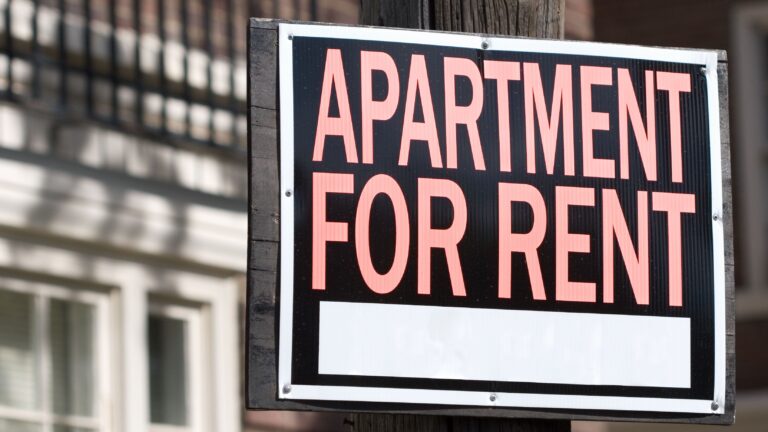
Renting by choice is becoming a legitimate financial strategy, particularly for those who value mobility over roots. It also provides benefits like lower upfront costs and monthly predictability for the duration of a lease at a time of so much economic uncertainty.
In specific pockets like Everett or Brighton, where new residential buildings are competing for tenants, you might find concessions (a month of free rent, waived fees) that simply don’t exist in the sales market. Plus, renting insulates you from the hidden inflation of homeownership: rising insurance premiums, property taxes, and replacing a costly hot water heater that inevitably breaks at the most inopportune time.
It should also be noted the other caveat for higher vacancy rates around colleges and universities is that early evidence also suggests this could be due to a drop in international students amid the Trump administration’s immigration policies, according to the Greater Boston Housing Report Card.
The Verdict: Rent if your timeline is under five years or if you need to keep your cash liquid for other investments.
Our weekly digest on buying, selling, and design, with expert advice and insider neighborhood knowledge.




To comment, please create a screen name in your profile
To comment, please verify your email address
Conversation
This discussion has ended. Please join elsewhere on Boston.com