
Boston ranked one of the top 10 worst cities for weeds, lawn disease
You can thank the cold spring and predictions for above average temperatures and rain. The steps you can take to win the battle.
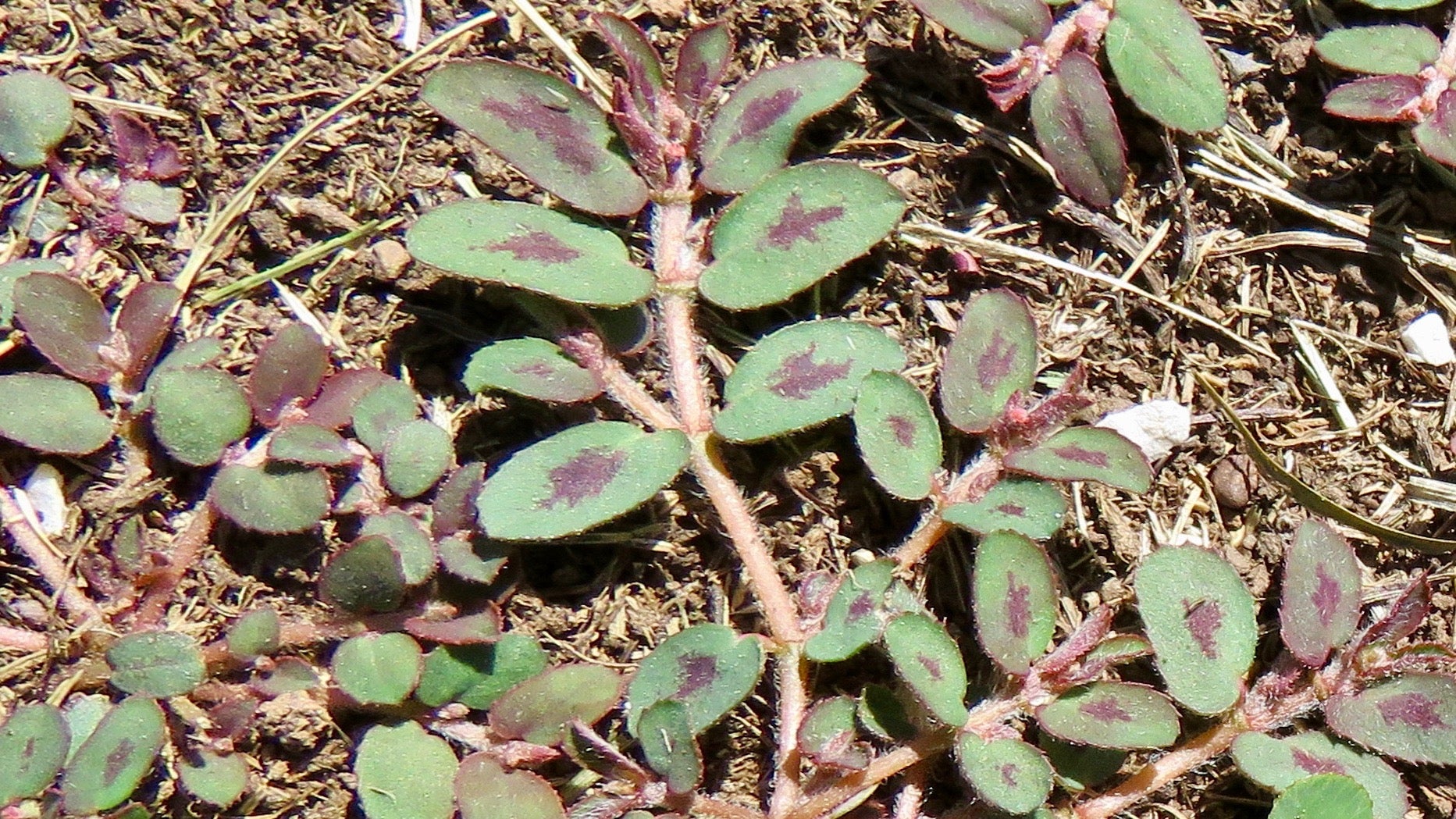
If those April snow showers didn’t dampen your spirits, maybe this will. The National Association of Landscape Professionals has named Boston one of the nation’s top 10 worst cities for weeds and lawn “issues” this year.
Boston was No. 5.
Crabgrass and spotted spurge, an annual plant native to the eastern United States, are yearly problems here, but the late winter and early spring snowfall — and expected higher temperatures and above average precipitation — will only make these infestations worse, the association said in a news release. April is National Lawn Care Month.
“It’s important to understand that weeds aren’t just unsightly; they’re not just distasteful or ugly nuisances,” said Missy Henriksen, vice president of public affairs at the association. “They can impact the health of a lawn. Weeds fight with grass for the same nutrients. … We all need that grass to be healthy, because healthy lawns are not just beautiful, they have a lot of environmental benefits.”
Spotted spurge loves compact soil, and it takes only a certain temperature point for crabgrass to proliferate, Henriksen said, noting that both are very hard to get rid of because they’re resilient to weed killers.
The NALP developed its top 10 rankings by evaluating national data from lawn care professionals based on consumer concerns about common weeds and lawn diseases between the months of April and August, Henriksen said. National Weather Service data sets were also taken into consideration, and NALP’s experts on climate conditions then used that information to determine the impact on weed growth.

But fear not, there are preventative measures to save your lawn from disease. Ensuring your soil is healthy beforehand can stop them from growing in the first place.
Aeration and getting the proper nutrients in the soil are key steps. Even something as simple as mowing your grass properly will make your lawn more resilient. Getting enough water is important as well, and so is fertilizing your lawn.
Treating for weeds can be difficult once they have taken root, Henriksen said. “Homeowners can turn to lawn care professionals with their knowledge and know-how to take out the guesswork.”
Subscribe to our free real estate newsletter — our weekly digest on buying, selling, and design — at pages.email.bostonglobe.com/AddressSignUp.





To comment, please create a screen name in your profile
To comment, please verify your email address
Conversation
This discussion has ended. Please join elsewhere on Boston.com