
What is it like to live in Harvard?
This picturesque bedroom community, dotted with rolling hills and orchards, has one of the best public school systems in the state.
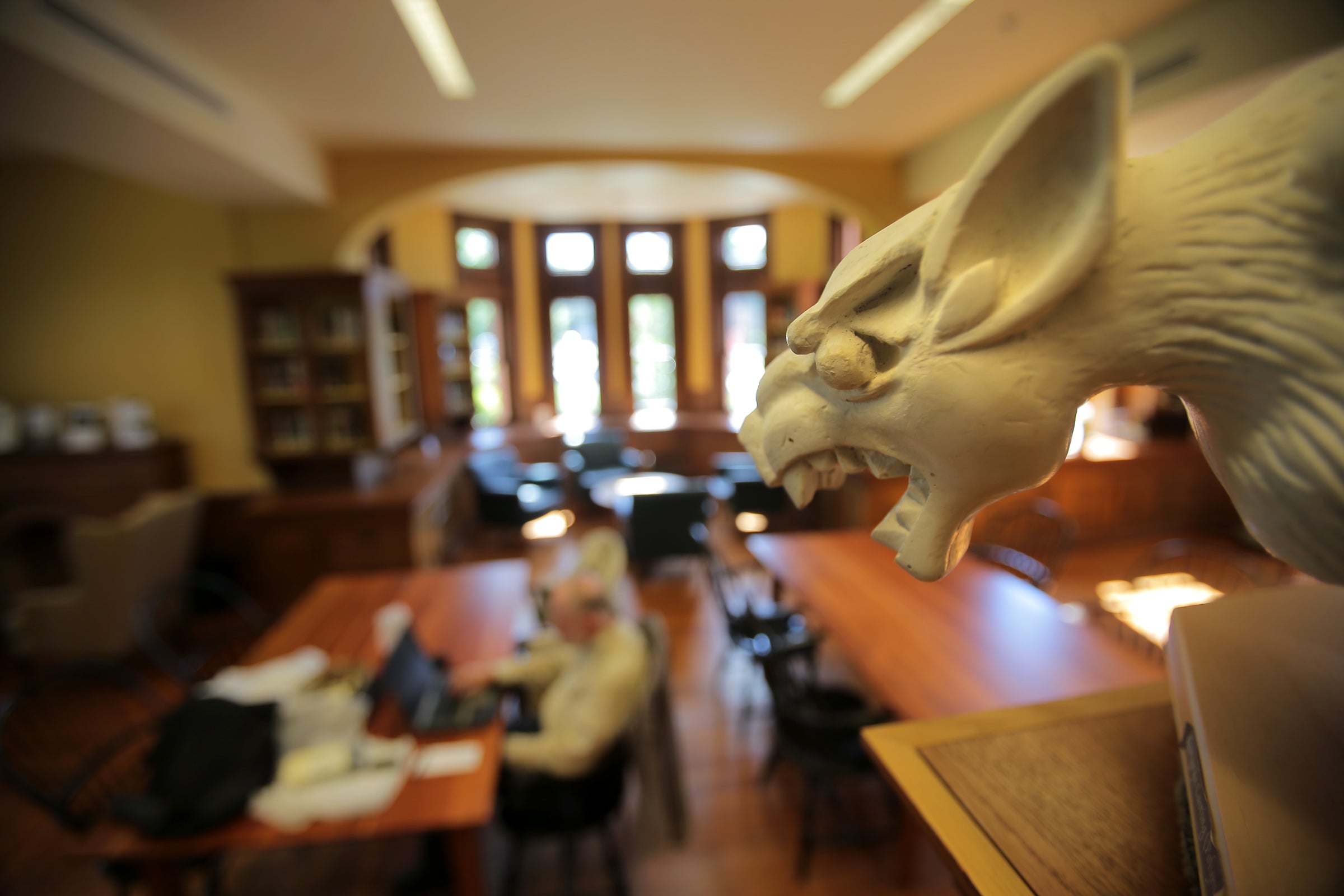
Louisa May Alcott, the author of “Little Women,’’ is somewhat less well known for another of her works, the satirical piece “Transcendental Wild Oats.’’ It told the thinly disguised story of her eccentric father, Amos Bronson Alcott, and his dream of a utopian, self-sustaining retreat he called Fruitlands. Alcott’s commune in the rural town of Harvard, roughly 30 miles northwest of Boston, lasted a mere seven months, but the town that hosted it has grown on plenty of high-minded ideals, which have been applied with a bit more practicality than Louisa May’s father ever achieved.
Today, this picturesque bedroom community, dotted with rolling hills and orchards, boasts one of the best public school systems in the state, with The Bromfield School (Grades 6-12) achieving consistent national recognition for excellence. The Harvard Historical Society is a repository of information about Harvard Shaker Village Historic District, where several privately held 18th- and 19th-century homes and buildings date back to the second Shaker settlement in the United States.
Harvard residents are also committed to conservation. In 1974, the federal government established Oxbow National Wildlife Refuge, pristine forest and wetlands spanning the towns of Harvard, Lancaster, Ayer, and Shirley. Land transfers from the repurposed Fort Devens military base, as well as a private purchase completed in 2001, account for some of the refuge’s nearly 1,700 acres today.

BY THE NUMBERS
5
Rank in state of The Bromfield School in U.S. News & World Report’s 2014 “Best High Schools’’ review
230+
The number of 19th-century vernacular portraits the Fruitlands Museum’s art gallery contains, one of the largest collections in the country.
330
Acres of Bare Hill Pond, the centrally located meeting place that hosts summertime swimming and boating lessons and skating in winter
55
Reportedly the number of commercial orchards operating in town in 1942, when Harvard shipped more apples to market than any other town in the state. Only three were active 15 years later.
PROS & CONS
Pro
Academics
As noted, the town’s school system is top-notch, with an exceptionally high rate of enrollment in four-year colleges: 98 percent. With high standards of participation and a well-rounded curriculum, the Bromfield School, a public institution for grades 6 through 12,prides itself on producing students who become “responsible school, community, and world citizens.’’
Con
The rigors of small-town expectations
With an open town meeting form of government, high per-capita income, and a collective push for students to succeed at exceptional levels, this town of roughly 6,000 can ramp up the pressure for newcomers.
Pro
Natural beauty
The town’s 62-year-old Apple Blossom Festival on the common is just one example of the ways Harvard residents exult in their surroundings. The town owns 1,725 acres of conservation land, much of it linked by walking trails.


James Sullivan can be reached at [email protected]. Follow him on Twitter @sullivanjames.




To comment, please create a screen name in your profile
To comment, please verify your email address
Conversation
This discussion has ended. Please join elsewhere on Boston.com