
What is it like to live in Amherst?
Amherst is a town that seeks to offer the accessibility of small-town life without sacrificing the culture of a metropolitan center.
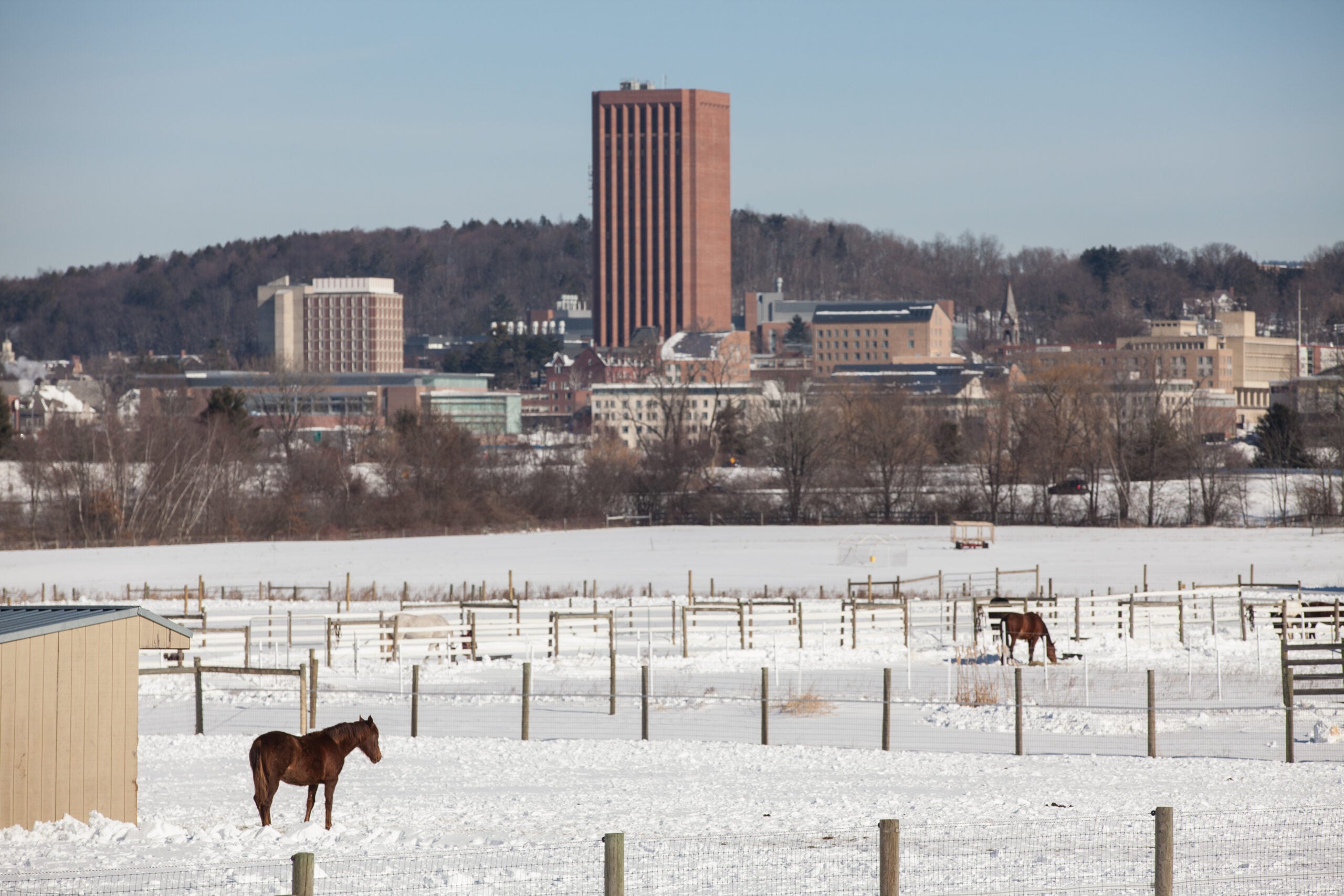
Out on the trail, the wooded acres of Amherst can feel miles away from anywhere. Trek back into town, though, and you can see a lecture by a respected scholar, catch an independent film, or take your pick of art and history museums.
Amherst is a town that seeks to offer the accessibility of small-town life without sacrificing the culture of a metropolitan center. The tradeoff? Residents might need to endure the occasional disruptive college party in their neighborhoods.
The community of about 38,000 is host to the flagship campus of the University of Massachusetts,Amherst College, and Hampshire College, three institutions integral to the town’s lifestyle and economy. The student population? 31,325.
Sure, there are disadvantages – heavy student demand on rentals weighs on the residential real estate market, for example – but many residents say they would never dispense with the formula that makes Amherst unique.
“It’s a tight-knit [community], but it has all of the advantages of big-city living because of the colleges and the university,’’ said Cynthia Brubaker (pictured at right with her husband), a 14-year resident of North Amherst. “There are many cultural events, artistic events, music, classes. . . . It’s got it all right here.’’
Brubaker and her husband, Jerry, moved from Georgia to Western Massachusetts to be closer to their daughter, who at the time was having a child while completing a doctorate at UMass.
For a year, the Brubakers rented a home in a town to the north, in Montague, but they were drawn to Amherst and bought a Cape-style house near their daughter and her family. Cynthia, who had worked in nonprofit administration, and Jerry, a computer analyst who was employed in the defense industry, both found work teaching at Greenfield Community College.
Now retired, they still live within walking distance of their grandchildren. They have plenty of opportunities to volunteer, participate in local affairs, and appreciate the contributions of the academic communities around them.
Oliver Broudy, who moved from New York to Amherst three years ago, described the town as “kind of a gateway exit for both New Yorkers and [Bostonians], because it makes you think we can get more space and not give up some of the cultural offerings that make cities special.’’ Broudy has found the community compelling enough to support a recurring production, “Amherst Live,’’ where locals share their “insight, ideas and inspiration’’ onstage.
A magazine writer, Broudy says the switch has been relatively easy for him. He sees towns like Amherst gaining new appeal as employers allow remote connections that give people freedom to choose the lifestyle they prefer.
“It’s a lot easier to get lost in a city,’’ he said.

BY THE NUMBERS
1873
Year that Melvil Dewey, then a student assistant in the Amherst College library, created his Dewey Decimal Classification system of organization (Note: A fan of simplified spelling, Dewey had shortened his name from Melville Louis Kossuth Dewey.)
1,800
Approximate number of poems written by Emily Dickinson, one of Amherst’s most famous residents. The estate where the reclusive writer lived still stands as a landmark and museum near Amherst College.
About 30%
Land protected as open space. Many in Amherst list outdoor activities such as hiking, biking, and cross-country skiing among their favorite things to do in town. Highlights include swaths of the Robert Frost Trail and Mount Holyoke Range State Park.

PROS & CONS
Pro
Culture
Amherst is home to several museums, (Emily Dickinson, anyone? Eric Carle?), and other academic institutions and cultural centers are only a short distance away. Northampton (8 miles) has its own lively downtown and is home to Smith College. Mount Holyoke College is in South Hadley (about 9).
Con
Parties
Like any college town, Amherst has had its share of rowdy behavior. The infamous “Blarney Blowout’’ in March near the UMass campus resulted in 58 arrests and calls for reform.
Pro
Public Transportation
Amherst is covered by the Pioneer Valley Transit Authority, which makes it possible to get around this rural area without a car. Standard fare is $1.25, with destinations that include Northampton and Hadley and connections available to Springfield.


Andy Rosen of the Globe staff can be reached at [email protected]. Follow him on Twitter at @andyrosen.




To comment, please create a screen name in your profile
To comment, please verify your email address
Conversation
This discussion has ended. Please join elsewhere on Boston.com