
Could ‘accessory’ apartment bill help people care for family members in need?
The proposal would allow families with a disabled or elderly loved one to build an “accessory apartment’’ onto an existing structure.
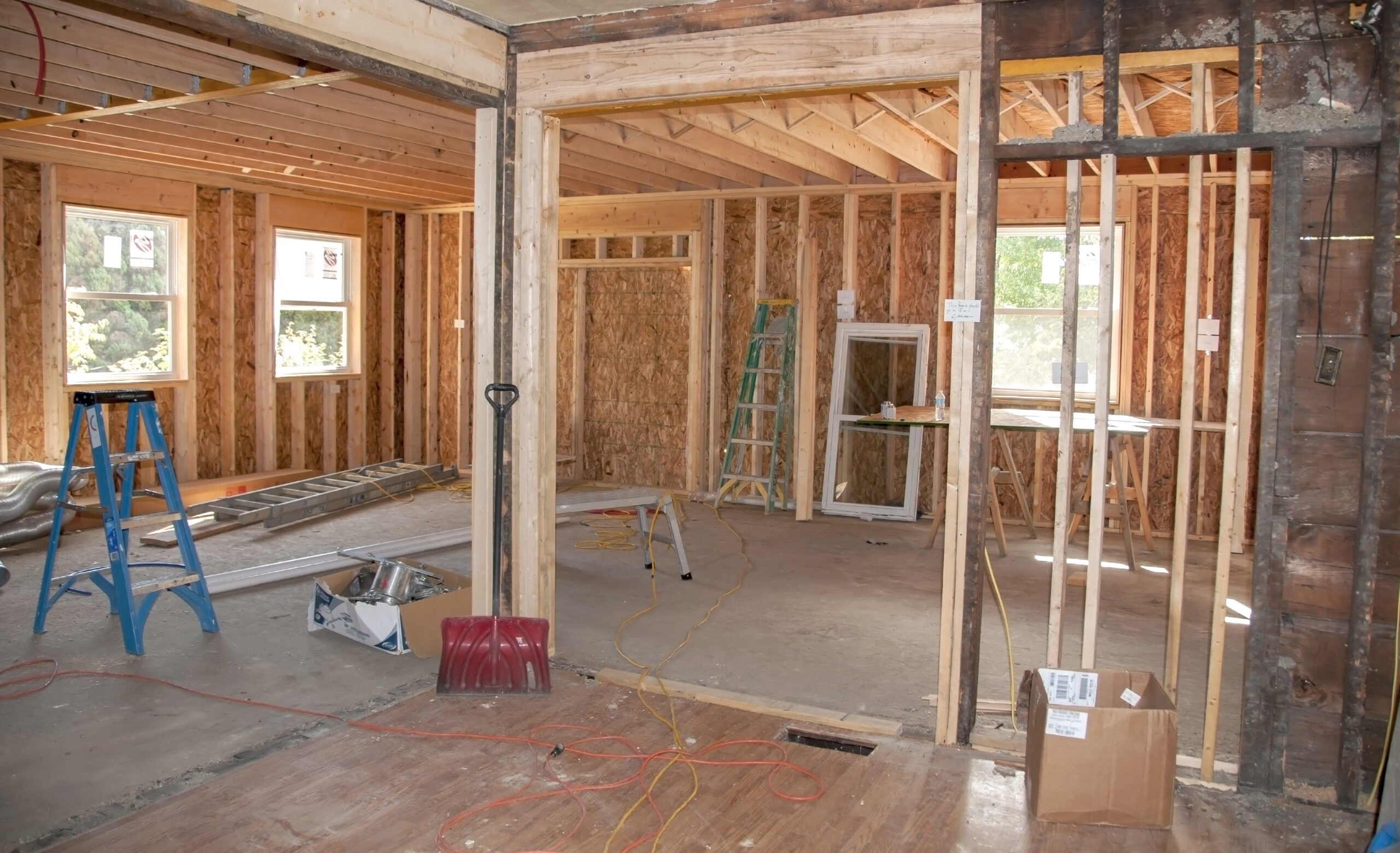
Last week, state Senator Barbara L’Italien, a Democrat from Andover, introduced a bill that intends to help homeowners with disabled or elderly loved ones while simultaneously addressing concerns about affordable housing.
L’Italien’s bill (S 708) would create a state loan program that would allow homeowners with a disabled or elderly family member to build an additional structure or “in-law’’ apartment onto their existing home. L’Italien, who has a 25-year-old son with autism, said the bill offers a “creative option’’ to helping the state’s elderly and disabled populations.
“Like many other 25-year-olds, my son would like some independence and not have to be directly under his parents’ roof,’’ L’Italien told Boston.com in a phone interview. “This bill would allow many with disabilities to have independence and be close enough by for families to offer assistance.’’
If the bill passes, it would create the Disabled and Elderly Accessory Apartment Loan Program, making certain homeowners eligible for either half the construction costs or a $50,000 30-year loan, whichever option is cheaper. The department of Housing and Economic Development would determine the fixed interest rate of the loan.
Lending support
Maura Sullivan is the government affairs director for the Arc of Massachusetts, an organization that helps families with specific mental disabilities and has two young sons with autism. Last week, she testified, at a hearing on the bill before the Joint Committee on Housing, about how the proposal would help her children stay connected to their family and neighbors.
“It’s been an effort to keep them included in their community,’’ said Sullivan. “We’ve made huge efforts to give them support.’’
Catherine Boyle, president of the nonprofit Autism Housing Pathways, agrees that the bill offers a unique way to offering housing choices to the disabled and elderly.
“Basically we’ve got at least 500 young people a year who are going to reach adulthood with autism alone who aren’t going to qualify for full-time residential housing from the Department of Developmental Services,’’ Boyle told Boston.com.
Boyle also points out the bill helps create new housing options for seniors and disabled residents. It also requires homeowners to agree to limits on what the housing addition can be used for.
“Families have to agree to a deed restriction with the land,’’ said Boyle. “One of the units, either the original structure or the accessory, must be occupied by a person with a disability or an elderly person. Otherwise, the loan must be paid off.’’
A controversial topic
Accessory apartments, or “in-law’’ apartments as they are sometimes known, can be a touchy legislative topic. In May, when two real estate groups and the mayor of Newton pushed towns across the state to allow the additions in all neighborhoods zoned for single-family homes, the Massachusetts Municipal Association (MMA) vowed to fight the effort.
But it seems that the more specific bill proposed by L’Italien is a different story. MMA Legislative Director John Robertson acknowledged he had not reviewed the bill yet. However, he told Boston.com it sounded promising.
“The MMA is generally supportive of things that allow cities and towns to help elderly and the disabled with housing,’’ said Robertson. “This sounds like it would be a good tool to do that.’’
L’Italien said she has not heard of any major opposition to the bill and is optimistic it will be able to pass the current legislative session.
“My hope is we can make it happen and happen during this session,’’ she said. “We have people in the hear and now who could benefit from this bill.’’



To comment, please create a screen name in your profile
To comment, please verify your email address
Conversation
This discussion has ended. Please join elsewhere on Boston.com