
Historic New England homes versus the real estate boom
Fewer families want to take on historic home renovations.
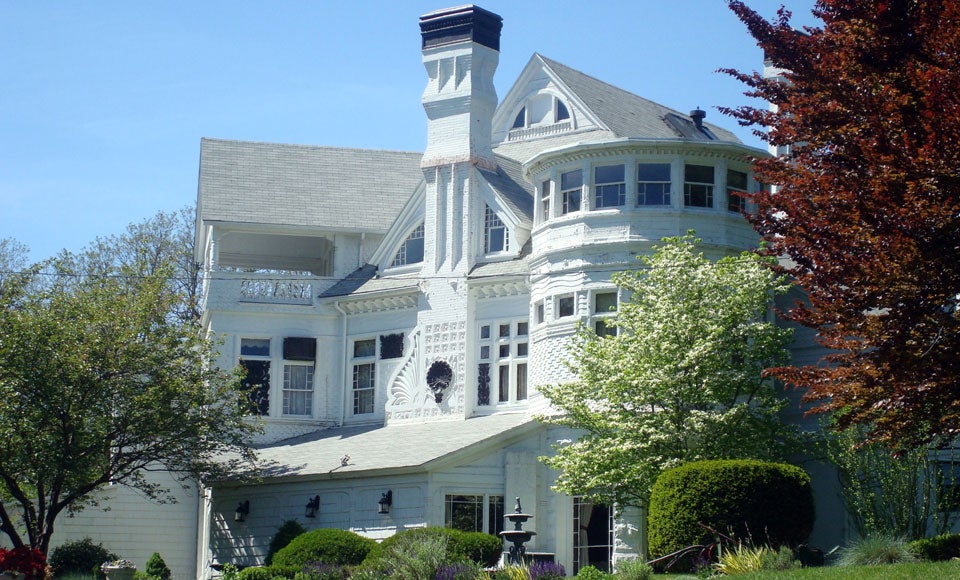
Historic properties like the White Cliffs (pictured above), also known as the Wesson Estate in Northborough, are in danger thanks in part to a hot real estate market and in part to the burden antique homes can place on their owners, according to The Boston Globe.
As the Globe reports, the lavish 19th century mansion was put on the market last year but has not sold, so the owners applied for a demolition permit. The town intervened and obtained a delay that expires in July.
Northborough is so eager to save the White Cliffs property that it has hired a consultant who “specializes in converting old buildings to new uses,’’ the Globe writes.
The tension between creating more housing and preserving historic structures is not unique to Northborough.
The Greater Boston real estate market is short on supply, and developers are buying more than just land. Antique homes in Southborough, Dover, Framingham, and elsewhere have been knocked down for modern developments.
While some towns have pushed back and tried to save properties by selling, moving or repurposing them, the Globe points out that fewer families are willing to put in the time and effort required to care for a historic home.
Story continues after gallery.
Here are some New England castles that used to be homes:
What can be done?
There are options that can lessen the burden on homeowners without dooming historic homes.
In the case of the 18th century Codman Estate in Lincoln, the homeowner approached Historic New England, a group that collects cultural histories, with the desire to preserve the estate.
Site Manager of the Codman Estate Wendy Hubbard told Boston.com: “Ogden Codman was interested in preserving his ancestral home. He and his four brothers and sisters had no children, so over the course of their lives, Jr. indicated that donating their estate and collection would be a good idea. It would preserve, not only the architectural heritage, but the artistic, along with furniture and landscape.’’
Today, couples can rent the Codman Estate’s carriage house and gardens for weddings and other special events.
Historic New England owns 36 properties including the Codman Estate, and also oversees another 100 or so properties through the Stewardship Easement Program, which assists homeowners with preservation efforts.
Preserving one’s property is a lengthy process, and Preservation Services Manager for Historic New England Joe Cornish( told Boston.com the organization looks at factors such as historic features, setting, landscape, and context when considering whether a home will be protected.
With that in mind, it’s a good idea for owners of historic structures to make very sensitive changes to their home if they think they might ever want to preserve it.
If you think your home is worthy of preservation, Historic New England approves properties on a case-by-case basis, with some protected homes built as late as 1969. “Preservation easements do not prevent the sale or lease of a historic property or hinder estate planning,’’ Historic New England’s site explains. Homeowners can still complete basic maintenance of their home like painting and minor repairs, in addition to reasonably upgrading kitchens and bathrooms for modern conveniences.
While homeowners of preserved sites are still responsible for maintenance fees and taxes, easements ensure that your property won’t get demolished, ever.




To comment, please create a screen name in your profile
To comment, please verify your email address
Conversation
This discussion has ended. Please join elsewhere on Boston.com