
Walsh report: Boston is ahead of pace on middle-class housing
A new report shows improvement when it comes to building homes affordable to the middle class.
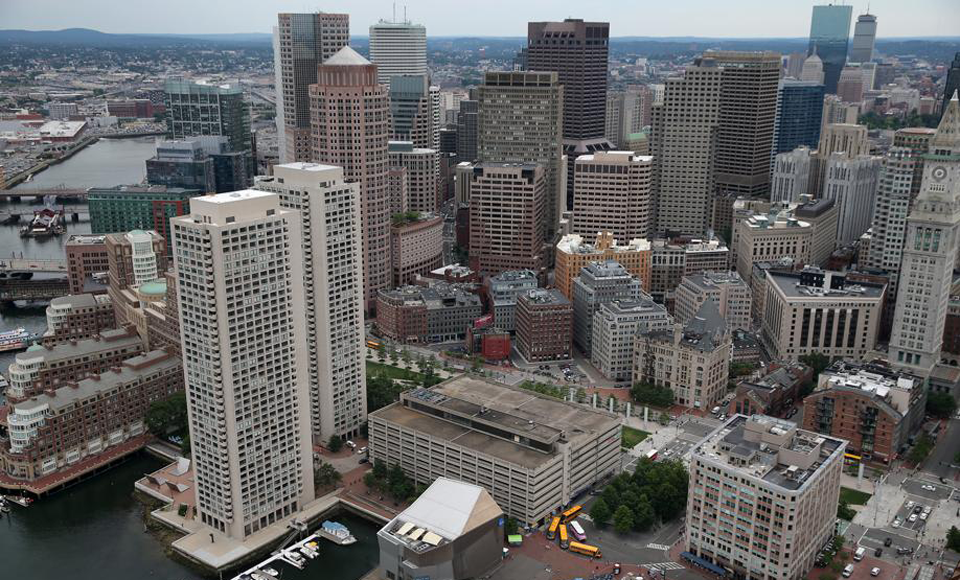
Boston developers are starting to build more middle-class housing after years of almost exclusively focusing on luxury apartment and condo towers, a new city report finds.
Forty-six percent of all new residential construction starts in the Hub in the first quarter of 2015 were apartments or condos affordable to middle-income renters and buyers, according to a progress report issued by Mayor Marty Walsh on his Boston 2030 plan.
That’s compared to just over a quarter of all construction starts during the first three months of 2014.
Overall, the Boston Redevelopment Authority gave a green light to more than 3,750 new homes and apartments affordable to middle-class families since 2011. That is roughly 20 percent of the way towards the Walsh Administration’s goal of 20,000 new middle-income condos and apartments by 2030.
The mayor’s drive to boost housing construction — especially for middle and lower-income residents — comes amid soaring prices and rents and predictions that Boston’s population will top 700,000 over the next decade or two.
“Boston is well on its way to achieving the level of production needed to house its growing population,’’ said Marc Draisen, executive director of the Metropolitan Area Planning Council (MAPC), in a statement. “Middle income housing still remains a challenge, which is why we strongly support Mayor Walsh’s efforts to address barriers related to zoning, permitting, and the cost of construction.’’
New housing developments targeted at middle-class renters and buyers include Seville on Boston Harbor in East Boston, 25 Morrissey Boulevard in Dorchester, 1047 Commonwealth Ave. in Allston, and the Riverway in Mission Hill.
Middle-class affordability, in this case, means condos and apartments affordable to those making less than $100,000, city officials say.
The report also points to some potential challenges for builders looking to resist the urge to go uptown.
The city has exceeded its goals when it comes to the number of middle-income apartments and condos placed in larger luxury housing developments, with 1,039 such units permitted since the start of 2011. That’s compared to the original goal of 850 units.
But spurring construction of free-standing middle-class housing developments has been a harder task.
While City Hall’s development arm has given its blessing to 2,719 such units, that falls short of the target of 3,400 by the end of this March, according to the report.
The Walsh Administration is now pushing state legislation that would give temporary tax relief and allow state land to be sold at a discount to developers who commit to building middle-income housing.
Moreover, even as the interest in building homes for middle-class Bostonians grows among developers, the 3,760 units approved are in the minority, given the 13,017 new condos and apartments approved by the city since 2011.




To comment, please create a screen name in your profile
To comment, please verify your email address
Conversation
This discussion has ended. Please join elsewhere on Boston.com