
Gardening in Your Garden-Level Apartment
If your garden-level apartment doesn’t include an actual garden, here are a few tips to create your own apartment-friendly oasis.
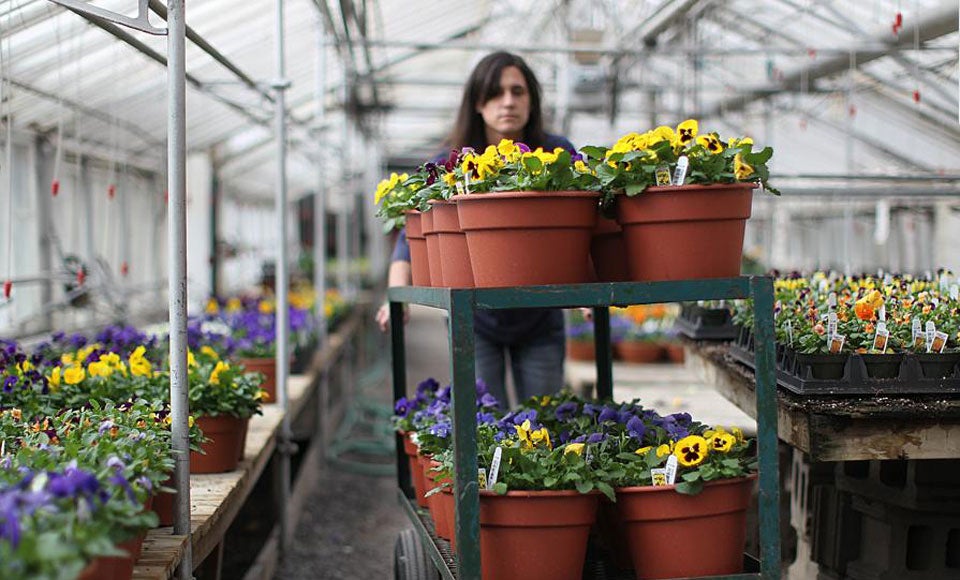
If your garden-level apartment doesn’t include an actual garden, here are a few tips to create your own apartment-friendly oasis.
While it can be tempting to buy the prettiest flowers in the shop, being realistic about conditions is the key to a thriving garden, according to Lindsey Swett of Niche Urban Garden Supply. The best place to start is by assessing how much light the plant will get.
For low-light, indoor spaces:
“The grass is always greener, but every outdoor space has its benefits,’’ said Swett. “If your garden has no sunlight to speak of, fill some pots with moss and ferns, maybe some tropical plants from your home, and you will have a shady oasis to appreciate during the heat of summer.’’
Swett recommended Snake Plant and ZZ Plant as two low-light options.
For windowsill residency:
Succulents and cacti don’t need much pampering beyond simple sunlight. Forced bulbs (hyacinth and muscari are easiest) are also a good option. They can be purchased at local garden supply stores, planted in a pot, and placed on a sill. According to Swett, they should be moved to a lower-light location once they’re in bloom.
For fire escapes:
Vegetables — and even some fruits — are popular options for outdoor growing. Fire escapes that get a lot of light are great for tomato plants, herbs, and some veggies.
For shadier spots, Swett recommended cilantro, parsley, chives, and mint (which should be planted in its own pot). Spinach, kale, and more exotic varieties of greens like tatsoi and mizuna can lay the foundation for a locally-grown salad bar for one, especially with the addition of root vegetables — including the Danvers 126 carrot that was developed on the North Shore of Massachusetts.
“When choosing plants, look for varieties that are described as ‘compact’ or ‘dwarf.’ They tend to fare better in pots,’’ said Swett. “There are even varieties of blueberry and raspberry that have been bred to stay smaller.’’
She recommended putting trays underneath pots to avoid spilling soil on downstairs neighbors.
After taking stock of your lighting, a trip to local gardening supply stores can help you decide which plants to buy. Check the label on plants or seed packets: They indicate when to plant and optimal care instructions.
To start you off, here are some general tips from the National Garden Association to help keep your vegetation alive:
– Giving your plants room to grow is key. Research how large the root system of the plant should grow, so as not to re-pot mid-season. This should help with spacing out plants as well, if you’re planning to put multiple in one pot.
– Fertilizers help to boost natural soil nutrients. A seaweed-based fertilizer is one popular option that is fairly cheap and provides beneficial micronutrients while being low in nitrogen.
– Adding an extra drainage layer to the bottom of your pot can help avoid rotting roots. Simply crush up old pots, and place these pieces at the bottom before adding the soil and seeds.
– Companion planting, in which plants with similar needs are co-potted to create a symbiotic relationship, can be beneficial in terms of natural pest control, adding flavor, and improving soil nutrition. Marigolds repel insects, while planting basil can add flavor to tomato plants— the perfect snack for a summer picnic or staycation in your newly lush abode.





To comment, please create a screen name in your profile
To comment, please verify your email address
Conversation
This discussion has ended. Please join elsewhere on Boston.com