
Will a Mass. Population Increase Bring More Housing?
Urban areas are growing faster than suburban areas, a UMass report finds.
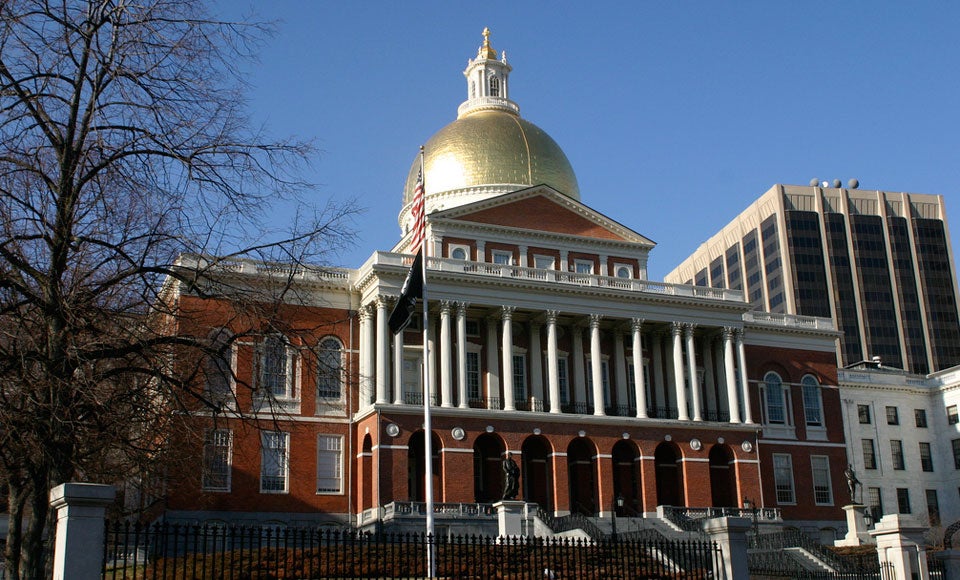
The hottest real estate in the Bay State over the coming decades is more likely to be urban than suburban, based on the basic building block of housing demand — population growth.
The population in Massachusetts is on track to soar past the 7.3 million mark by 2035, a nearly 12 percent increase, with growth in cities like Quincy and Boston leading the way, a new study by the UMass Donahue Institute finds.
While a scattering of suburbs in the Boston area are also poised for expansion, many others are likely to either flat line or even lose population, according to the UMass report, titled Long-term Population Projections for Massachusetts Regions and Municipalities.
That is especially the case with towns on the Cape, where the aging population is likely to lead to a declining population in popular resort towns, including Barnstable.
On the other hand, the growth of the state’s urban areas is being led in part by millennials, who are opting for city living close to work and play, rather than renting or buying in the suburbs, said Susan Strate of the UMass Donahue Institute. Massachusetts also continues to play its traditional role as a magnet for immigrants from around the world as well.
“There has been really rapid growth relative to our history,’’ Strate said. “We have been growing more than twice as fast as we did in the 2000s and most of that growth has happened in the Boston area.’’
Quincy is seeing some of the fastest growth. The city’s population jumped roughly 8 percent since 2010 to just over 100,000. The “City of Presidents’’ is projected to grow by another 25 percent by 2035, to 125,379. The South Shore cornerstone has seen an influx of buyers lured by a quick commute to Boston and its relatively more affordable home prices.
Coincidentally, Quincy is experiencing a surge in new apartment and condo construction, with a major downtown redevelopment plan in the works.
In the midst of an epic building boom, Boston is next up on the fast-growth list. The Hub is poised to add another 120,000 or so residents over the next two decades, boosting the city’s population past 772,000, the Donahue Institute finds.
More than 15 million square feet of residential and commercial space is under construction right now in the city, the equivalent of 15 Prudential towers.
Next door to Quincy, Braintree is expected to gain more than 14,000 new residents by 2035, for a total of 75,636, while Lynn’s population will cross the 118,000 mark after a nearly 20 percent growth spurt, the report notes.
Cambridge, where new condos and apartments are hard to find, is projected to pick up another 11,000 residents, pushing its total population past 118,000 in the next 20 years.
A few suburbs are expected to grow significantly by 2035, including: Lexington, expected to hit nearly 37,000 over the next two decades by adding another 4,000 residents; Hopkinton, where 20 percent growth is projected, to more than 18,500; and Dedham, where, the population is slated to cross the 32,000 mark after adding nearly 4,000 new residents.
By contrast, Concord is expected to stay about even at just over 18,000, while Weston, one of the most expensive communities in the state with a median home price of $1.2 million, is expected to shrink.
Weston’s population will drop to 9,705 in 2035 from 11,217 today, the report predicts.





To comment, please create a screen name in your profile
To comment, please verify your email address
Conversation
This discussion has ended. Please join elsewhere on Boston.com