
6 things you should know about Weymouth
Ever wonder what it is like to live in the town where Abigail Adams was born?
1. Weymouth is the second oldest town in Massachusetts.
The fishing and agricultural community was founded in 1622 as “Wessagusset Colony,’’ but was renamed Weymouth in 1635. By the time of the American Revolution, there were almost 1,500 people living in the town. In 1837, a natural iron bog was found in Weymouth, which supported the Weymouth Iron Works during the industrial revolution, but the Pennsylvania iron industry eventually shut down the Weymouth iron business. The shoe industry quickly became the town’s biggest economic force until the mid-1900s, but the shoe factories have since closed and the Weymouth economy is now based on many local businesses.
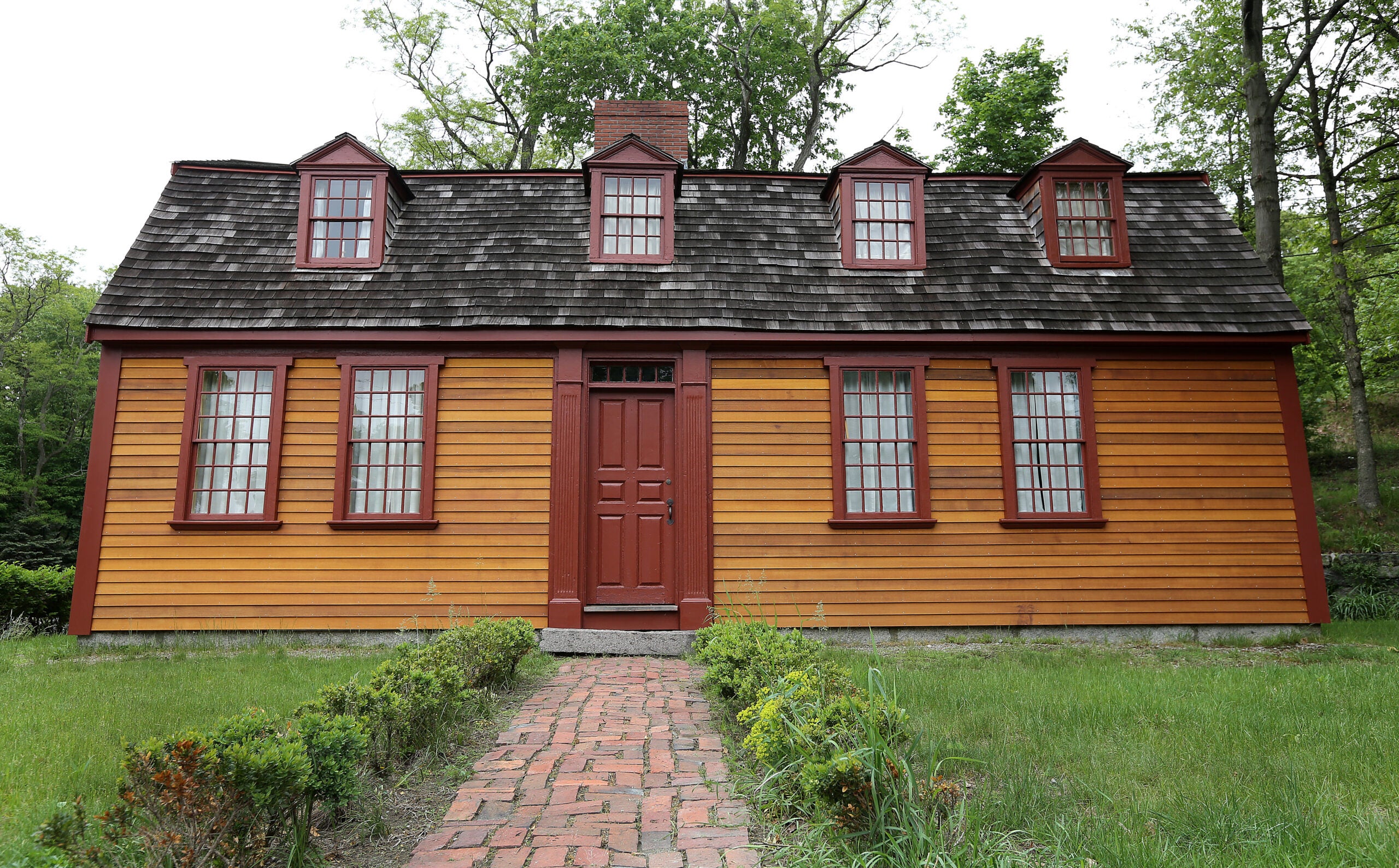
2. Abigail Adams was born in North Weymouth.

The home Abigail Adams, wife of President John Adams and mother of President John Quincy Adams, was born in a home that still stands in Weymouth. The house was originally built in 1685 for a town minister. In 1738, the Reverend William Smith then bought the house and married Elizabeth Quincy in 1740. Their daughter, Abigail Smith (later know as Abigail Adams), was born in the home in 1744, where she lived for 20 years. The house has since sat in multiple locations and undergone several renovations in Weymouth. It can be visited today and you can find out more information here.
3. William Lloyd Garrison made multiple speeches in Weymouth during the Civil War.
Weymouth prides itself on its citizens being proponents of the abolitionist movement during the Civil War and abolitionist William Lloyd Garrison gave multiple speeches in the South Shore town. Other abolitionists, such as Wendell Phillips, Parker Pillsbury, Edwin Thompson, and Theodore Parker came to the town to speak as well, many times at the Universalist Church in Weymouth Landing.

4. A major naval air station was created in South Weymouth during World War II.
Though the South Weymouth Naval Air Station closed in 1997 its legacy lasts today According to The Boston Globe, after the station was completed in 1942, it was used to house blimps that the Navy flew to patrol the east coast. The Globe reported that in 1994 the site was listed on the Environmental Protection Agency’s National Priorities List due to contaminated soil. The site of the station underwent a massive clean-up and there is still some work to do.
5. Weymouth is the home of a famous folk painter.
Susan Torrey Merritt (1826-1879) was a local artist that became famous for painting “Anti-Slavery Picnic at Weymouth Landing, Massachusetts,’’ which is now a part of the collection at the Art Institute of Chicago.

6. North Weymouth is home to Webb Memorial State Park, which has some pretty amazing views.
Right on the Boston Harbor, overlooking the Boston Harbor Islands, Webb State Park is a scenic area with space to fish, walk around, and have a nice picnic lunch. According to the National Park Service, Native Americans used Webb as a campsite during the warmer months to fish and gather food. The site, according the NPS, has had a variety of uses, such as a fertilizer factory in the 1860s and a place to house missiles in the 1950s, before it was given to the state of Massachusetts in the 1970s.




To comment, please create a screen name in your profile
To comment, please verify your email address
Conversation
This discussion has ended. Please join elsewhere on Boston.com