
Mayor Walsh Seeks Tax Relief for Long-Term Homeowners
Struggling to pay your property taxes? If you’re over 55 and have lived in the same house for the past 10 years, a proposed tax deferral program could bring financial relief to you if you’re a Boston homeowner.
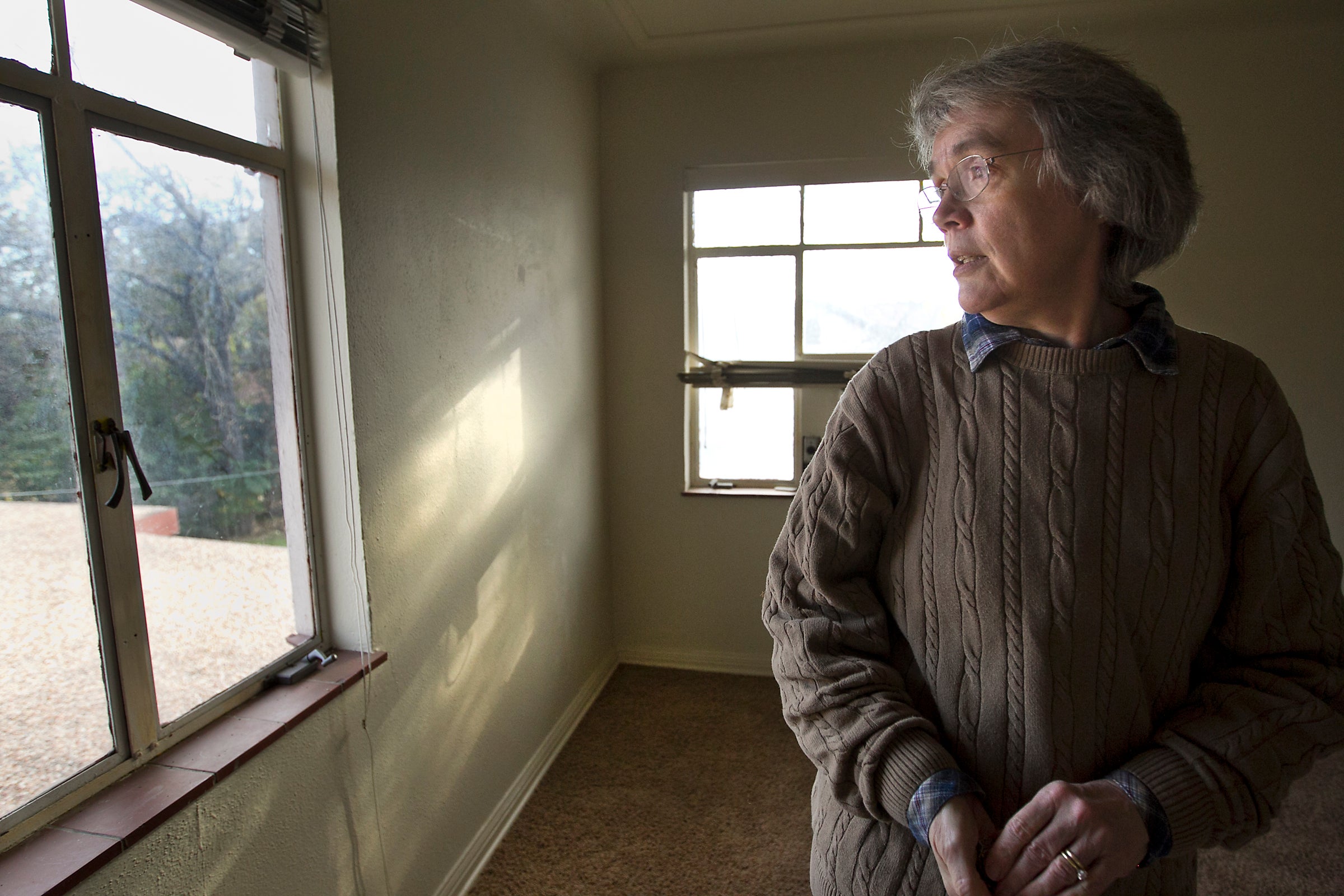
Struggling to pay your property tax? If you’re over 55 and have lived in the same house for the past 10 years, a new tax deferral program that’s on the table at Beacon Hill could bring financial relief to some in the future.
Mayor Martin Walsh announced this week that he’s signed a bill that would let long-term Boston residents defer paying their property taxes to a later date, with interest.
“Residents should know that they have options in the face of rising property taxes,’’ Mayor Walsh said in a press release.
Last month, Massachusetts’s city and town administrators sought approval to set property tax rates for the upcoming year, and 74 municipalities increased their tax rates by more than 5 percent, overriding the Proposition 2 ½ threshold that prohibits communities from raising a town’s average tax bill by more than 2.5 percent each year.
Towns are able to do this with the help of tax overrides and new development, but communities are sometimes unprepared to shoulder the higher bills.
Mayor Walsh said the bill is geared toward homeowners having trouble affording their real estate taxes, and is just “one of several steps’’ Boston is taking to give homeowners relief as housing prices continue to increase.
In October, the Walsh administration released an updated housing plan called “Housing a Changing City: Boston 2030,’’ which stated that the city would help build 53,000 new housing units by 2030, including 5,000 units for senior citizens and 4,000 units to “bring rents and housing prices under control.’’
Boston’s senior population is the city’s “fastest-growing and most economically-challenged’’ demographic group, the housing plan states. However, senior renters appear to be in far worse shape than senior homeowners. Only 22 percent of senior homeowners fall into the “extremely low income’’ bracket (under $25,000), compared to 70 percent of senior renters.
While the majority of senior homeowners are not overly burdened by housing costs, there are still more than 4,000 “extremely low-income’’ senior homeowners in Boston who struggle to pay taxes, utilities, and medical bills, according to the housing plan.
As the of senior population in the city increases, so have housing prices in many neighborhoods. While an increased home equity may seem like a good thing, a house with more value also means higher property taxes.
“A lot of homeowners don’t have plans on moving and want to stay,’’ Ron Rakow, commissioner of assessing for Boston, said. “This [bill] allows homeowners to tap into that equity and to pay the additional taxes that come along with it.’’
A tax deferral allows the homeowner to defer their property taxes “until the sale, transfer, or death of the owner,’’ according to the mayor’s office. The current annual interest rate of 4 percent per year would be applied to the deferred tax bills, and would be paid by the property’s new owner.
“This is fiscally neutral,’’ Rakow added. “The taxes just get deferred and our recouped when the property is ultimately sold.’’
Homeowners qualify for tax deferral if they are over 55, have lived in their home for 10 years or more, and their total income does not exceed the income limit of $55,000 for the “Circuit Breaker’’ state income tax credit for single seniors who are not heads of household. The Circuit Breaker credit allows some taxpayers over 65 to claim a refundable credit on their state income taxes for the real estate taxes or rent paid during the tax year, according to the Massachusetts Department of Revenue.
Additionally, homeowners’ real estate tax liability must exceed last year’s real estate tax liability by 10 percent or more.
Deferral applications must be completed three months after the date on which the third quarter tax bill or notice of assessment was sent — or by April 1 of the tax year, whichever is later. The third quarter tax bill for fiscal year 2015 is mailed January 1.





To comment, please create a screen name in your profile
To comment, please verify your email address
Conversation
This discussion has ended. Please join elsewhere on Boston.com