
Electric Bill Shocker: How to Keep Yours Down
For the next six months, many Boston residents will see steep hikes in their electricity bills. We rounded up some tips to help you curb yours.
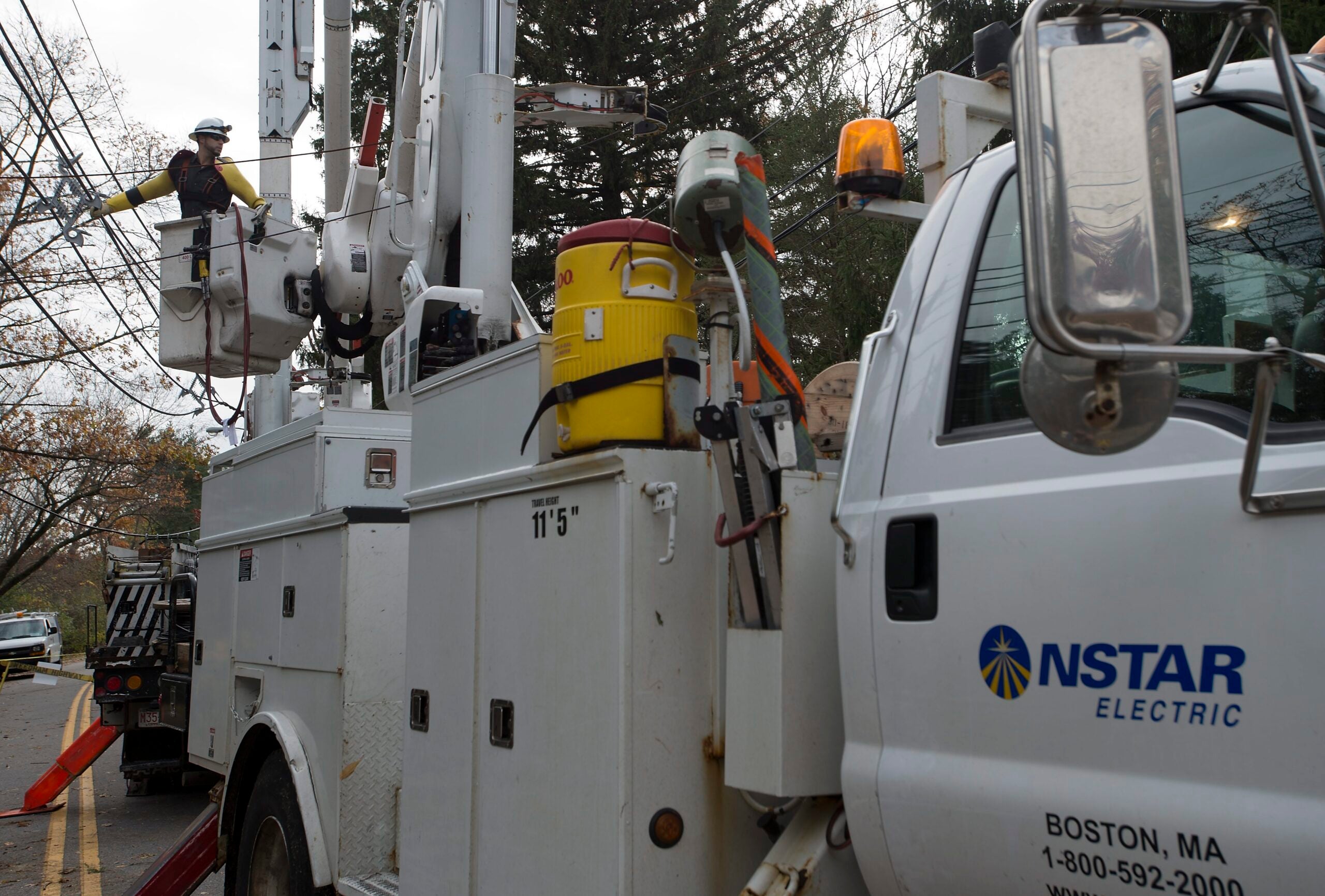
This fall, NStar customers were warned that they could see a 29 percent increase to their electricity bills come January.
If you use the utility, your electricity nightmare might be coming true.
The Massachusetts Department of Public Utilities approved NStar’s request, so if you’re one of their 1 million or so customers in the metro Boston and Cape Cod region, you could be in for a shock when you see your next bill.
The change – which will be in effect until July – increases the average residential customer’s bill by $28, according to the utility. So, the monthly electric bill for the average household in Boston and several nearby municipalities will rise from $95 to $123.
The sudden spike is the result of constraints in the existing regional natural gas pipelines.
Over the past 15 years, natural gas-fired generation has gone from serving 15 percent of New Englanders, to roughly half, according to Northeast Utilities, New England’s largest utility system and NStar’s parent company. Even though tens of thousands of homes and business have converted to natural gas heating, the pipeline capacity in the region has been keeping pace to deliver it.
“Natural gas remains an abundant and inexpensive fuel,’’ NStar spokesperson Rhiannon D’Angelo said. “But regional pipeline limitations and the growing dependency on gas to produce electricity are pushing the prices higher.’’
The portion of the customers’ bills that is increasing is due to the cost NStar must pay power generators (the supplier). It does not affect the cost NStar charges for delivering electricity to homes.
Though delivery charges vary slightly per region, supply charges are increasing to 14.972 cents per kilowatt-hour.
NStar is a regulated company, so they adjust their rates on a set schedule. Their basic service rates change twice a year, once in January and again in July. D’Angelo said it’s too soon to tell whether prices will continue to increase next winter.
“Traditionally, prices of electricity are lower during the warmer months, but it’s too soon for us to know what the electricity suppliers will be charging when we next go out for bids,’’ D’Angelo said. “As we always do, we’ll be issuing a request for proposal as we get closer to that date, and we’ll take the best price we can get. As soon as we begin noticing prices from generators going up, we proactively get in touch with our customers.’’
Despite next year’s uncertainty, there is hope that prices will fall after November 2018. NU and Spectra Energy, a natural gas transmission company, have proposed a major regional pipeline expansion project.
If approved, the project – called Access Northeast – would expand New England’s natural gas capacity using existing pipeline routes. Spectra spokesperson Phil West said it would reduce customers’ bills, though he’s not sure how much: “Without quantifying it, this will certainly help price volatility like we saw last winter.’’
But even if the project is approved, West said it’s expected to take three years to complete.
Another Spectra spokesperson, Marylee Hanley, said Access Northeast is in the “very, very preliminary stages,’’ as it still has to be reviewed by the Federal Energy Regulatory Commission and other stakeholders.
NStar representatives said they are aware of the impact the current price hike could have on low-income residents.
“We are always mindful of the effect pricing increases have on our customers, especially those facing financial difficulties,’’ D’Angelo said. NStar offers free home energy assessments, where one of their energy specialists will assess your home’s current energy use and provide you with energy-saving recommendations. They also offer discounted electricity rates for income-eligible customers.
But regardless of whether you are an NStar customer or not, there are energy saving tips that could help you save on your next electric bill.
Though having a professional conduct a home energy audit is optimal, this might not be within your price range. The US Department of Energy recommends that homeowners do a walk-through of their home to look for areas where they could improve energy efficiency.
You can make list as you go:
Locate and Seal Air Leaks
Some drafts are easy to locate. That slight crack of light between your front door and the floor? That’s an area where cold air is obviously leaking into your home. But other gaps might be more insidious.
Outside, look for gaps in areas where two different types of building materials meet, like your chimney and your siding, or the area where your foundation meets the bottom of exterior brick or siding.
Indoors, check for gaps and cracks by electrical outlets, window frames, baseboards, attic hatches, any vents or dryer vents, and even the area surrounding wall or window-mounted air conditioners.
Holes that you find in pipes, wiring, faucets and electric outlets can usually be plugged and caulked, just make sure you use appropriate material. For doors and windows, you can generally install your own weatherstripping – strips that come in felt, vinyl, plastic, foam, or metal. Just make sure your home still has proper ventilation, especially if you heat with natural gas, fuel oil, propane, or wood.
Turn Off Your Lights
You probably remember being hounded by your parents to turn lights off when you leave a room. That’s because lighting can account for around 10 percent of your electricity bill. Now is as good a time as any to start heeding their advice.
You also might want to consider switching to LED bulbs, which are more energy efficient – they use 60 percent less wattage but are just as luminous as other bulbs.
Unplug Electronics and Appliances
There’s really no reason to leave your computer, printer, television, microwave and coffeemaker plugged in while you’re at work. Even if you turn them off, when you leave them plugged in, you create a “phantom load,’’ which means they continue to draw a small amount of standby power.
Phantom loads sound scary, and they should, because they increase the appliance’s energy consumption a few watt-hours. Consider investing in a power strip, so that it’s easy to unplug all your gadgets at once.
Check Your Heating and Cooling
Heating and cooling your home accounts for roughly 48 percent of your utility bill, so it’s important to make sure your equipment is properly maintained and updated as needed. Ask your contractor about the most energy-efficient heating and cooling equipment.
Furnaces have Annual Fuel Utilization Efficiency (AFUE) ratings, and some of the newest models on the market have ratings that exceed 90 percent AFUE. Check how efficient yours is. Spending a little more in the short-term can save you money in the long run.
Turn Down Your Thermostat
Pull out your sweater and warm, fuzzy slippers. Setting your programmable thermostat down to as low as you’re comfortable in the winter (and as high as you’re able in the summer) can help you save. Try to get in the habit of setting it appropriately when you leave the house – after all, if there’s no one around to enjoy your toasty bedroom, what’s the point of paying for it?
Check Insulation
Especially if you live in an older home, your insulation might not be adequate anymore.
A good place to start is checking your attic hatch to make sure it closes tightly and has insulation as heavy as your attic. You can use a non-combustible sealant to caulk any gaps by the chimney or pipes.
Walls are trickier to check, so you might want to hire an energy auditor who can use thermography – or infrared scanning – to detect thermal defects.
If you live in Boston, the city’s Renew Boston program is offering home energy assessments at no cost if you live or rent in a one-to-four unit building. That means a home energy professional sponsored by the city will check your home for opportunities to save money (like the ones mentioned above.) They’ll even help you replace your bulbs and will give you a free programmable thermostat.





To comment, please create a screen name in your profile
To comment, please verify your email address
Conversation
This discussion has ended. Please join elsewhere on Boston.com