
Where to Donate and Sell Your Junk in 2015
The beginning of a new year often brings a slew of diet resolutions and general self-improvement goals. Why not bring this mentality to organizing your home?
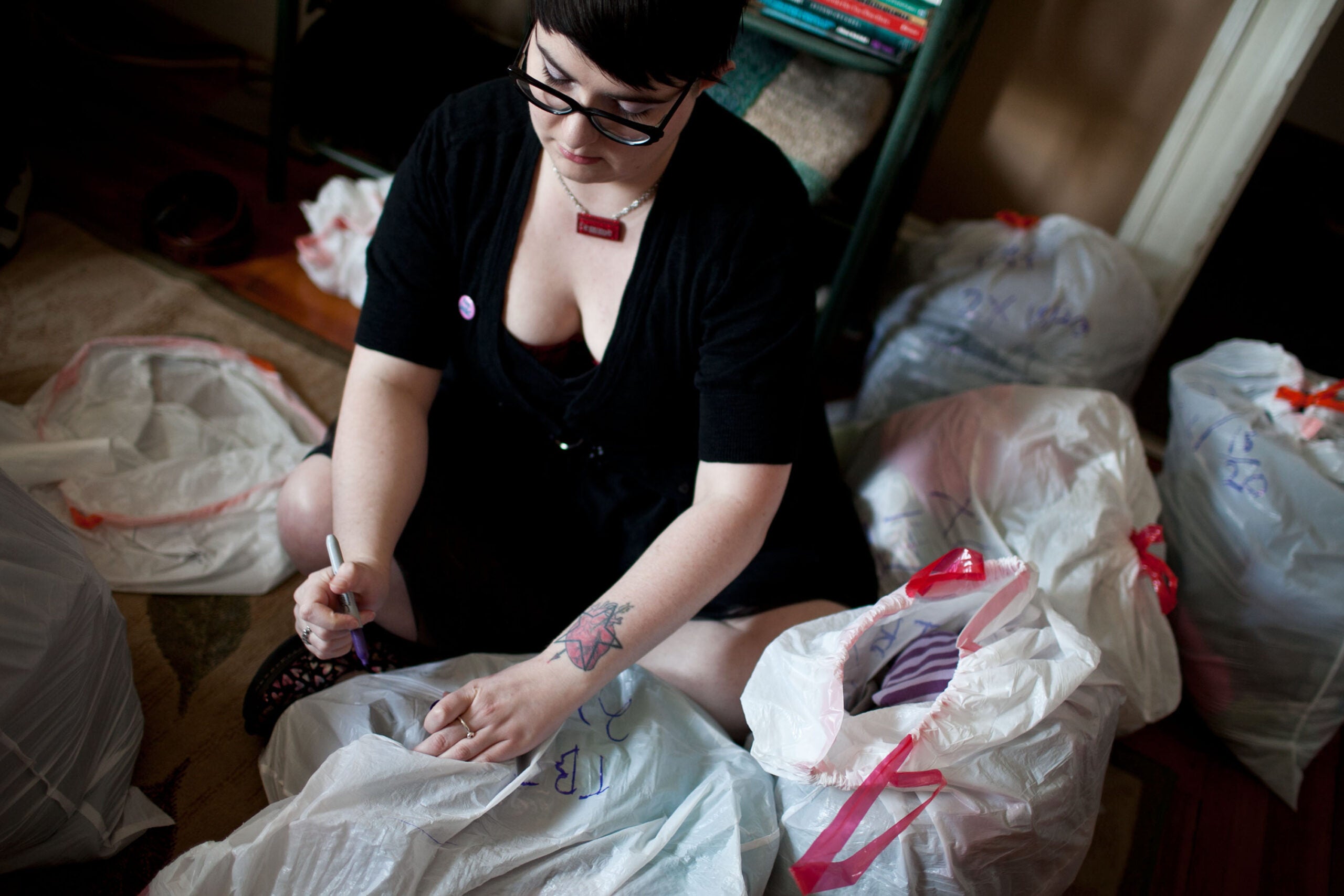
It’s the dawn of 2015, which means you and roughly everyone you know will try sticking to a new diet or gym plan for the foreseeable future. Let’s be honest, these resolutions rarely stick. A deep snow will probably curb your tenacious workout routine and make it quite tempting to order takeout.
But it’s okay, because there are other areas of your life where you can make a resolution that will stick: de-clutter your home and sell or donate what you don’t need. Go through your clothes and pull out the pieces you don’t wear anymore. Evaluate your books, movies, electronics, and furniture and ask yourself whether you actually need that Nintendo 364 because it brings you back to your youth.
Chances are, you probably don’t.
The best part of this resolution is how attainable it is. Once you dedicate a weekend afternoon to organizing your place and throwing away the most useless junk, you’ve already won half the battle! The next step is figuring out what to do with all the stuff that’s too nice to throw away.
Depending on the item and its current state, you can either donate or sell it. Here are some of the different places around Boston where you can do just that:
If you’re looking to donate:
The American Red Cross
The American Red Cross of Eastern Massachusetts takes clothes, shoes or household linens donations to generate funds. They have over 100 bins located all throughout eastern Massachusetts. After selling donations through a vendor, a portion of the proceeds go to their Disaster Relief Fund.
If your clothing donation is valued at $250 or more, the Internal Revenue Service (IRS) requires that you get a receipt and claim a deduction on your federal tax income.
Goodwill
The benefit of donating to Goodwill (besides providing cheaper items for low income families) is that they take a wide variety of goods: clothes, bedspreads, antiques, artwork, books, bicycles, jewelry, cookware, and more. They even take old computer parts.
Like the American Red Cross, donors can make a deduction from their federal income tax. From downtown Boston to the suburbs, there are plenty of locations around the city to donate.
Big Brother Big Sister Foundation
BBBS agencies provide one-to-one adult mentors for over 5,000 children in Greater Boston. They take your donations—“resalable clothing, coats, jeans, small household items and toys’’ and sell them to thrift shops in bulk, using 100 percent of the proceeds to fund the mentorship program.
This is a great option if you don’t have a car and it might be hard for you to lug your items somewhere. BBBS has a fleet of trucks that will do scheduled pick-ups right at your front door—though they also have donation stations and drop-box locations as well.
The Salvation Army
Like BBBS, The Salvation Army will pick up donated goods from your home, or you can drop them off at one of their family stores, where donations are sold. They take everything from children’s clothes, furniture, appliances and adult clothing to cars.
Donating can get you a deduction on your federal tax income, and you can go to sleep knowing that the proceeds from your donation helped fund their adult rehabilitation centers. Each rehab center provides “housing, work, care, and individual therapy’’ for recovering addicts.
If you’re looking to sell:
Second Time Around
The Newbury Street location consignment store sells designer clothes, shoes, and accessories that are in “great condition.’’ That Burberry coat that’s been hanging in your closet since fall might as well make you some quick cash better spent at the movies. They ask that you bring in “seasonally appropriate’’ articles that are no more than two years old, so don’t go rummaging through your grandmother’s closet expecting to make a fast buck with her vintage swimsuit. Also, make sure if you bring in a garment, it’s freshly laundered. They probably won’t take a smelly Chanel sweater.
You’ll typically receive 40 percent of the final selling price of each of your items, which will generally be priced at 30 to 40 percent of their original retail value.
The Garment District
You might only think of this Cambridge store around Halloween, when college students peruse their massive costume selection en masse. But it’s also a consignment store that takes gently used clothing, shoes, and handbags. Just schedule an appointment online and if they consider your items store-appropriate, they will pay you cash or credit on the spot. The Garment District will decide the price of your goods.
Your payment will be either 30 percent of the suggested retail price in cash or 60 percent in store credit, so just decide ahead of time how likely it is you’ll come back for that Gumby costume come fall.
Brookline Booksmith
If you’ve finally come to terms with the fact that you’ll never get around to finishing “War and Peace,’’ you might want to head to this independent bookstore to drop it off, along with other slightly used fiction and nonfiction books.
As long as they’re in pretty good condition, Brookline Booksmith will give you a little cash for them, allowing you to turn around and buy more books! They mostly take paperbacks, but will consider hardcovers in cooking, art, and poetry. They won’t take textbooks though, so leave “Intro to Geometry’’ at home. No one wants that anyway.
Buying hours are Wednesday through Saturday from 10 a.m. to 4 p.m. They give 15 percent of the original price in cash or 20 percent store credit.
Furniture Consignment Gallery
This is the perfect option if you’d like to update your home furniture, but feel guilty leaving your nice pieces out on the curb. Face it: your dad’s antique rocking chair is just too nice for Allston Christmas. Just email a picture of your furniture to the Gallery, and they will determine if your item is acceptable. Then, they price it at their discretion based on the condition, style, and original sale price.
FCG will pick up your furniture for you, bring it to their showroom located in Hanover, merchandise it, photograph it, and post it on their website. They also have showrooms in Chestnut Hill and Plymouth. Once they sell your furniture, they write you a check.
Just keep in mind that if your piece sits on the sales floor for over 120 days, the consignor’s share drops from 55 percent of the item’s sales price to 30 percent, and FCG takes the rest of commission for handling the sale. If this makes you uncomfortable, there’s always Craigslist!
So there you have it. There are plenty of options and no excuses to not get rid of that ugly sweater you’ve been packing and unpacking every place you’ve moved. Get out there and donate or sell.




To comment, please create a screen name in your profile
To comment, please verify your email address
Conversation
This discussion has ended. Please join elsewhere on Boston.com