
How to avoid frozen pipes when it’s really cold
Frozen pipes are a common problem in New England. Here’s how you can prevent it from happening.
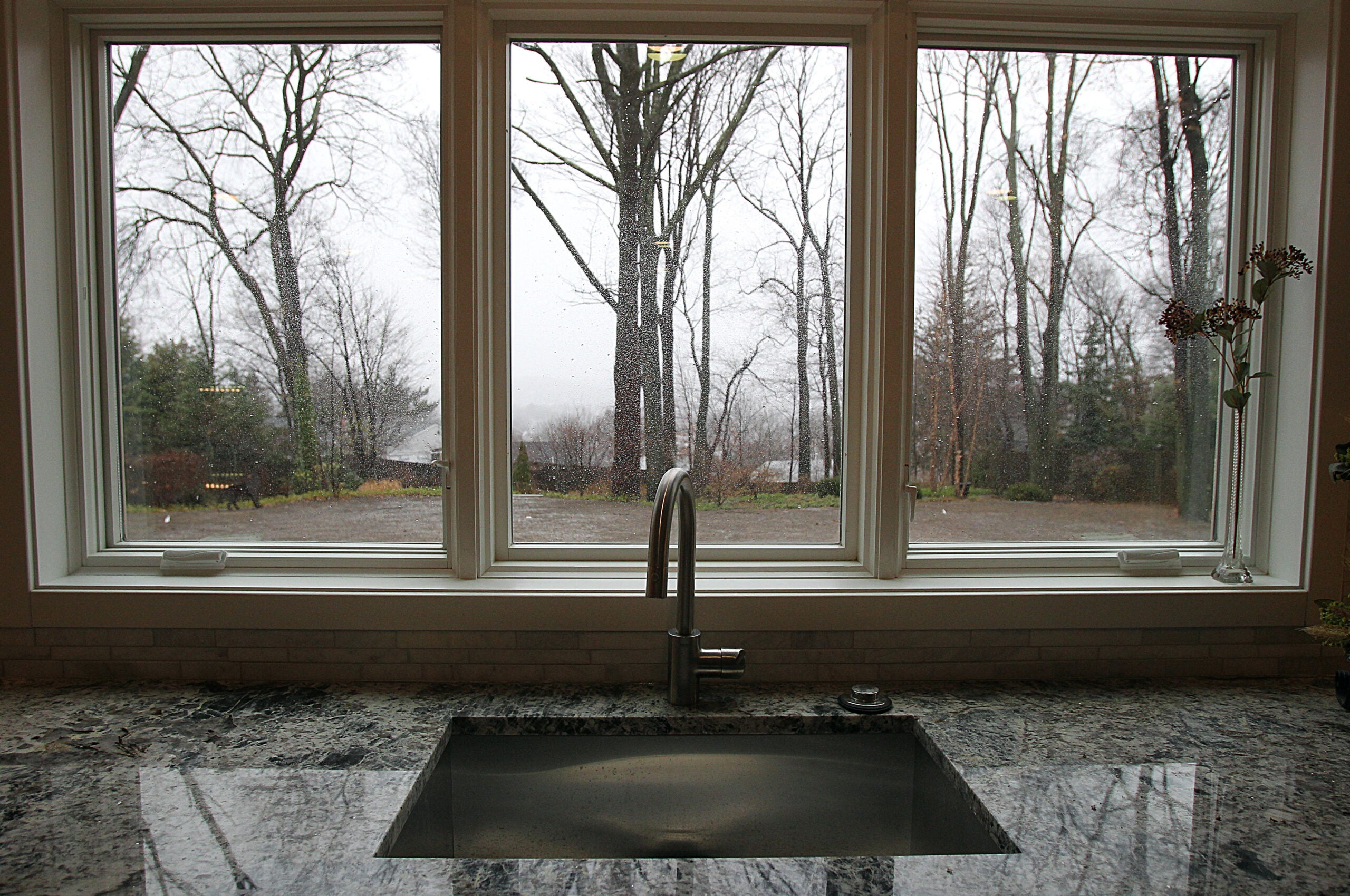
Welcome to the season of frozen pipes, when a cold day could cost you thousands of dollars in water damage and plumber’s fees.
When freezing temperatures hit, the water flowing to your shower or sink can actually freeze inside the pipe. Once the water freezes, it expands, breaking the pipe walls. Then, when the temperature warms even a little, the water melts and comes leaking (or bursting) into your house or apartment.
Boston.com spoke with the owner of Boston Standard Plumbing, Heating, and Cooling, Joseph Wood, about how a little prep work can keep your place warm and dry.
What can you do to prevent this starting now?
Wood said once the temperature gets to 30 degrees or below, that’s when you should start to take precautions.
A lot of people think they can turn off their heat when they are not going to be home for the weekend, or even for a workday, but Wood warned against the idea.
“People should make sure the heat is on at 60 at the lowest,’’ he said.
He said pipes can freeze in an 8-hour workday and that even for people worried about a sky-high energy bill, it is not worth saving the 20 or so dollars – keep the heat on.
One of the biggest causes of frozen pipes is that people forget to empty their hoses after the fall months. Once winter comes, the water in the hose freezes and expands into the pipes inside the house walls, damaging them.
What do you do if it is really cold?
If it gets below 20, there are some other precautions that should be taken.
Wood said that “recognizing cold areas of the home’’ is an important task in prevention, as heat does not spread equally throughout the house. Cabinets that hold important plumbing are often tucked away in cold corners.
“If there is not a proper heat source in the room, open up the cabinet up if it’s [up against] an outside wall,’’ he said. That will let some heat from the house get into the cabinet, preventing pipes inside from getting too cold.
Take special care if you have a sink up against an outside wall. “Trickling the water to a size of a number two pencil, leaving water on in the sink,’’ helps prevent freezing, according to Wood.
It may waste some water, but liquid is less likely to freeze if it’s moving.
How do you know if your pipes have frozen?
If you don’t yet see a full-on water leak or burst, there are a few other ways you could know if your pipes have frozen.
“You would detect spitting at the fixture, not a proper stream,’’ Wood said. In some cases, no water would come out of the sink at all.
Pipes are frozen, what should you do?
“At that point turn the heat up as high as you can stand and get in there with a hair dryer and heat where you think it’s frozen,’’ Wood said. Keep the tap on and try to get that water flowing.
You should know where the main water shutoff is in the house. It could stop a flood if things get really bad.
Call a plumber if you need to, but remember that if your pipes are frozen, you probably aren’t the only one – it might take a while for help to get there.
What’s Your Damage?
Wood said a basic pipe freeze would cost about $250 to fix, but a bad one could cost about $1000.
“You can get a full on pipe burst and destroy ceilings and hardwood floors and the floors will buckle,’’ Wood said. “We’ve had instances in apartments where the water main is in basement and we had to call the fire department.’’
Nobody wants that. So take a few precautions to avoid a winter disaster.




To comment, please create a screen name in your profile
To comment, please verify your email address
Conversation
This discussion has ended. Please join elsewhere on Boston.com