
Renovating in Boston? Not So Fast.
For home renovations, it seems there’s no time like the present. With an improving economy and rising home values, now is as good a time as any. But Boston homeowners should know some of the ‘unique’ aspects of renovating in our historic city.
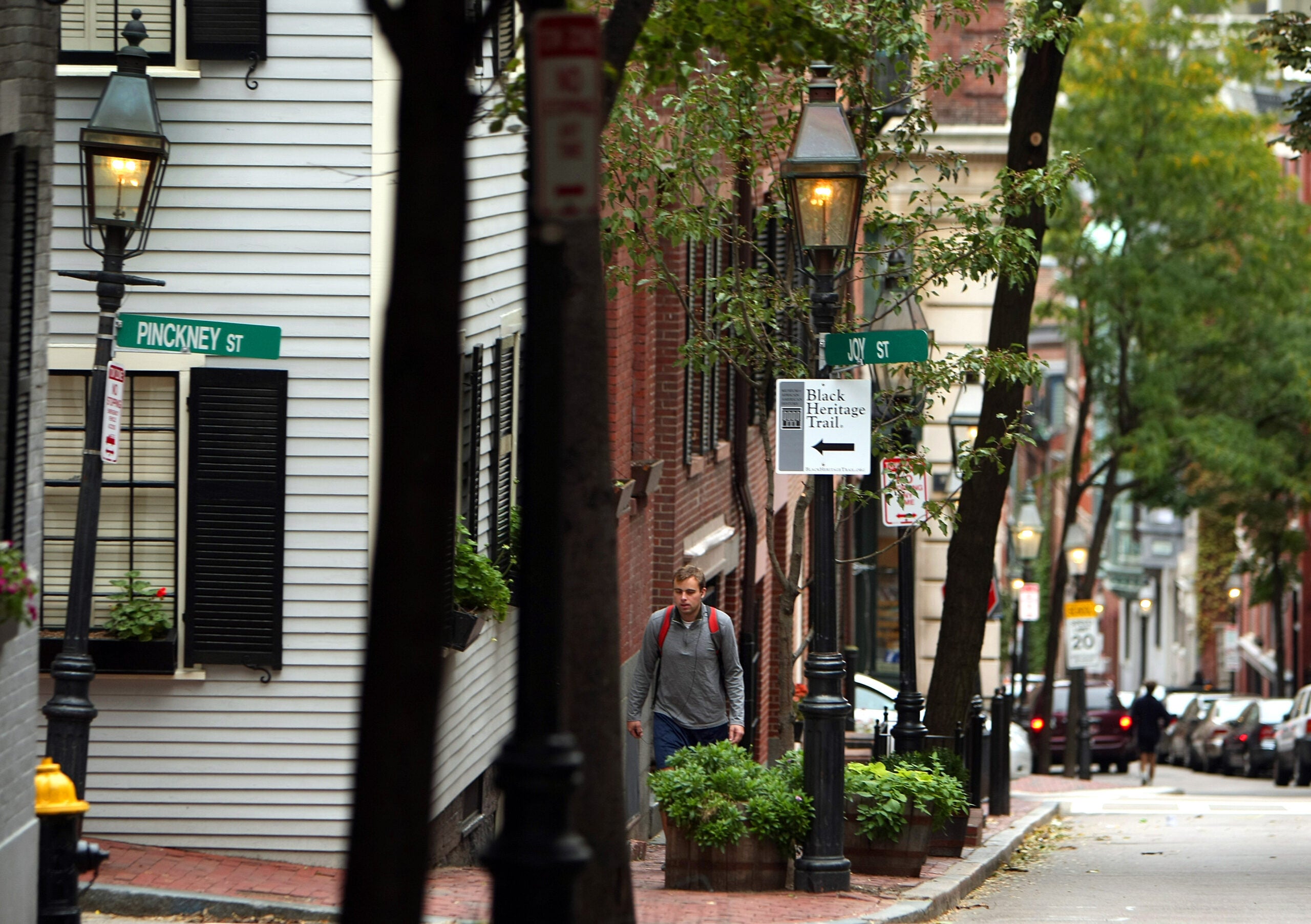
For home renovations, it seems there’s no time like the present. With an improving economy and rising home value, now is as good a time as any to add that spare guest room or build the deck of your dreams.
According to the Joint Center for Housing Studies at Harvard University, spending on home remodeling should surpass $145 billion this year. That’s the highest amount spent in eight years.
But before you pull out the wallet, Boston homeowners should know some of the ‘unique’ aspects of renovating in our historic city.
First of all, it’s important to know that renovation is different from preservation and restoration. Renovation means “to update a building, leaving features that are of use in the building’s current function,’’ according to Boston’s Landmark Commission.
So if you’re looking to renovate your home, the first step is to figure out whether your house is on the National Register of Historic Places, the official list of the nation’s places worthy of preservation.
Jim Igoe is the executive director of Preservation Massachusetts, a nonprofit historic preservation organization. He said that if your house is on the register, you might want to consider renovating your home “correctly,’’ so that you’re preserving its historic and cultural heritage. The title is honorary though, so historical preservation is up to you.
This could be as simple as repairing your windows rather than tearing them out and installing 21st century windows, or choosing to restore your original wood exterior, rather than getting aluminum or vinyl siding.
Unfortunately, just because your house is on the NRHP, that “doesn’t mean anyone will give you money to restore your house correctly,’’ Igoe said. And keeping your renovation consistent with history can be time-consuming.
If your house isn’t on the NRHP, it still might be located in a historic district. There are nine in Boston: Aberdeen, Back Bay, Bay State Road and Back Bay West, Bay Village, Beacon Hill, Fort Point Channel, Mission Hill Triangle, St. Botolph, and South End. Each one has different rules.
“In the South End, you can paint your front door any color you want, but in Beacon Hill, you don’t,’’ David Supple, CEO of New England Design and Construction said.
If your home is in a historic district, you’ll need to get your design reviewed and approved by the local BLC preservation planners. The sooner you reach out to them, the faster your renovations will be approved.
This process can sound tedious or scary, but Greg Galer, executive director of the Boston Preservation Alliance, said commissions try to be as accommodating as possible.
“Sure, in local historic districts, you have to do a little more work, but the payback is huge,’’ Galer said. “Local historic districts are the kind of places we all love and want to go to, and they are the economically successful ones.’’
Even if your home is not in a historic district, you still might need approval for your renovations before securing a building permit – but you only have to worry about going through the Zoning Board of Appeals if your design varies from your area’s zoning code.
“Out in the neighborhoods like Jamaica Plain and Southie, you can do a lot more without going through the zoning board of appeals,’’ Galer added.
The Boston Redevelopment Authority’s Urban Design Department is responsible for conducting design review in some instances for exterior changes to homes and small businesses, BRA spokesperson Nick Martin said. They want to make sure your changes are “consistent with the character of the neighborhood.’’
To get your changes approved, you have to set up a design meeting with the BRA design review staff and explain the scope of your project. The time your design takes to get approved will likely depend on how major your changes are – are you adding a roof deck or dormers? Or are you building a porch?
Come prepared with photographs, and a good understanding of how your changes could impact abutting properties.
Here are some common BRA responses to different home renovations:
Dormers: They “should generally be scaled relative to the overall shape and size of the residence.’’
Porches and Decks: Porches should be made out of material that can be painted. The design should be similar to other porches in your neighborhood.
Windows and Doors: Clad windows are the standard, and they should be vertically proportioned. Front doors with glass panels are standard.
Additions: They should not “overwhelm the existing structure,’’ and you should use high quality materials.
Basically, don’t stick out too much. That authentic submarine window you salvaged from a flea market might not make the cut.
But there are other issues to consider.
Supple said he does many home renovations in the Boston area, and said the biggest issue Boston homeowners need to consider is their neighbors.
“It’s not like the suburbs where everybody has a buffer from one another,’’ he said. “They are affected by the project much more in the way of dust, noise, and things getting in their way.’’
Supple said it’s important to let your neighbors know before you begin renovating. His company sends out a neighborhood note – within a certain parameter – to keep neighbors in the know about construction plans and a project’s time frame. This is especially important if you’re new to the neighborhood.
“It can be an awful way to present yourself to your neighbors, if your contractor is not respecting them,’’ Supple said.




To comment, please create a screen name in your profile
To comment, please verify your email address
Conversation
This discussion has ended. Please join elsewhere on Boston.com