
What Does it Take to Own a Historic Home?
Do own a historic home you think is worth preserving? Here are some tips on what you can do to save it.
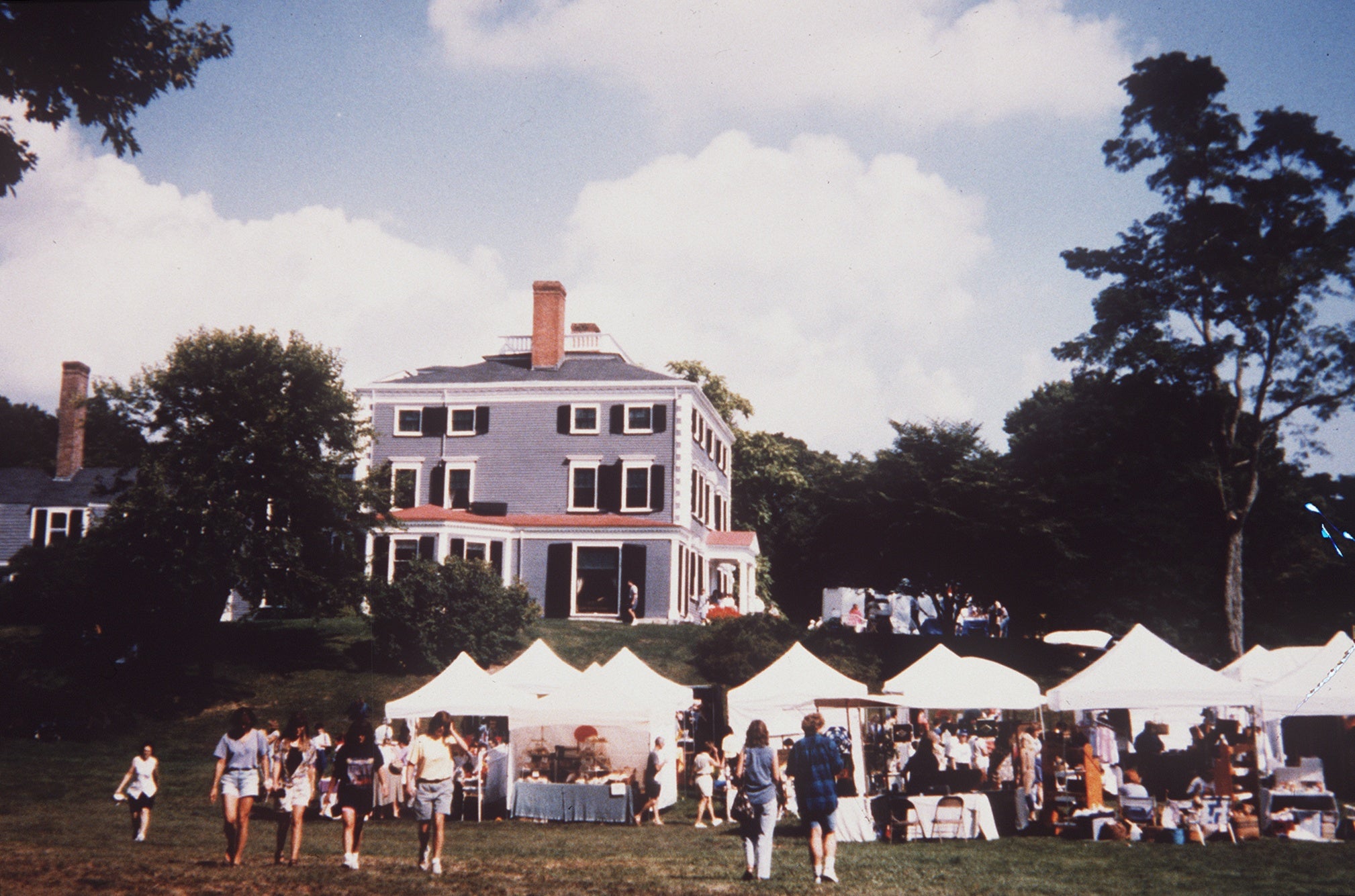
There are homes all over New England that, once family abodes, have over time turned into slices of history. A room where a family once ate dinner, read, and socialized has been transformed into a place where weddings are held and tours are given. The house is the same, but the family is gone.
The Codman Estate in Lincoln, Massachusetts is one of those homes. When the owner of the estate, Chambers Russell II died in 1790 without any children, he left the home to his six-year-old nephew, Charles Russell Codman. Charles’ father, John Codman, owned the estate until 1807 when Charles came of age. It was expanded to 650 acres after their fortune swelled with the help of John Codman’s shipping and trade. Charles ended up selling the house over time and the Fitchburg Railroad purchased part of it, which is why the commuter rail runs near the house today.

For 55 years, the Codmans were not in control of the home, but in 1862 a family member purchased it again, adding modern improvements and luxuries. Unfortunately, the investment was squandered during the Great Boston Fire of 1872.
After relocating to Europe, the Codmans returned to Massachusetts and worked on the house’s interior with the support of many servants.
But by the 1950s, the servants were gone and only two family members remained. After they died in 1963 and 1968, the grounds were inherited by Historic New England.
‘Treasure House’
Historic New England, a group that collects cultural histories, owns 36 sites across New England. Their main focus is on preservation, education, and keeping up their archives.
Wendy Hubbard is site manager for the Codman Estate, along with two other historic homes. She’s part of the visitor experience department and deals with general operations and administration, preservation and collection care, and public programs.

She said in most cases, a homeowner comes to Historic New England with a desire to preserve their home, but also mentioned a subset of properties that they seek out on their own.
In the case of the Codman Estate, Ogden Codman Jr. knew William Sumner Appleton, who founded the Society for the Preservation of New England Antiquities in 1910, later renamed Historic New England.
’’They were in the same social circles,’’ Hubbard said. “Ogden Codman was interested in preserving his ancestral home. He and his four brothers and sisters had no children, so over the course of their lives, Jr. indicated that donating their estate and collection would be a good idea. It would preserve, not only the architectural heritage, but the artistic, along with furniture and landscape.’’
The preservation of the Codman Estate was a unique one. In fact, it’s called their ‘treasure house.’ “It’s a house in which the entire contents have been maintained as we received them,’’ said Hubbard.
Hubbard noted that with most houses, they strip the furniture and decor back to a specific time period – mainly a home’s heyday. But for the Codman, its “eclectic mix of art and style’’ is an important part of its preservation.
Preserving Your History
So, your home doesn’t rival the Codman Estate? That doesn’t mean it can’t get a little help from Historic New England.
Aside from what they own, the organization oversees another 100 or so properties that are a part of the Stewardship Easement Program. Through the program “we assist homeowners with preservation easements,’’ Hubbard said.
Joe Cornish, the Preservation Services Manager for Historic New England, deals with the stewardship houses and when asked what it takes to preserve a historic home he said, “It’s a fairly long process.’’
Sitting down to discuss mutual preservation needs gives his team an opportunity to tour the property and assess historic features. Cornish looks to see “if they’re intact, does it still retain its historic features, setting, and context, landscape features.’’ He also said that, generally, they only accept easements that will protect the entire building—interior and exterior.
It then generally takes six months to a year to craft an easement agreement, which Cornish says is a binding contract detailing preservation needs for all future owners of the house. The Massachusetts Historic Commission and local municipalities also have a say in if a home can be declared historic.
“I would say, if a homeowner owns a historic home and is looking to upgrade it to make it more comfortable, when changes happen, it’s done as sensitively as possible,’’ Cornish said. “Respect materials of the existing house. Whenever possible, make changes that are reversible, so you don’t lose historic building fabric.’’
Ready to pitch your home to Historic New England? While maintenance and upkeep of a historic home is up to the homeowner, there are other upfront costs. A shortlist includes a contribution endowment to Historic New England to cover putting a restriction in place; drafting of legal documents; hiring a professional photographer to take pictures of the house; providing Historic New England staff a once-a-year property compliance visit; and additional money that goes into a legal reserve fund in the event there is a violation at one of the properties.
Cornish said that choosing homes is a case-by-case basis and that they have stewardship homes that were built as late as 1969.
“It’s a very successful preservation tool,’’ he said “and it allows for the historic property to be preserved into the future, while allowing sensitive changes to take place. It’s the next best option to museum ownership for preserving a historic property.’’




To comment, please create a screen name in your profile
To comment, please verify your email address
Conversation
This discussion has ended. Please join elsewhere on Boston.com