
NYC vs. Airbnb: Share Economy Hit with Injunction
New York City cracked down on building owners operating “illegal hotels’’ through Airbnb. Could Boston’s short-term rental market be next?
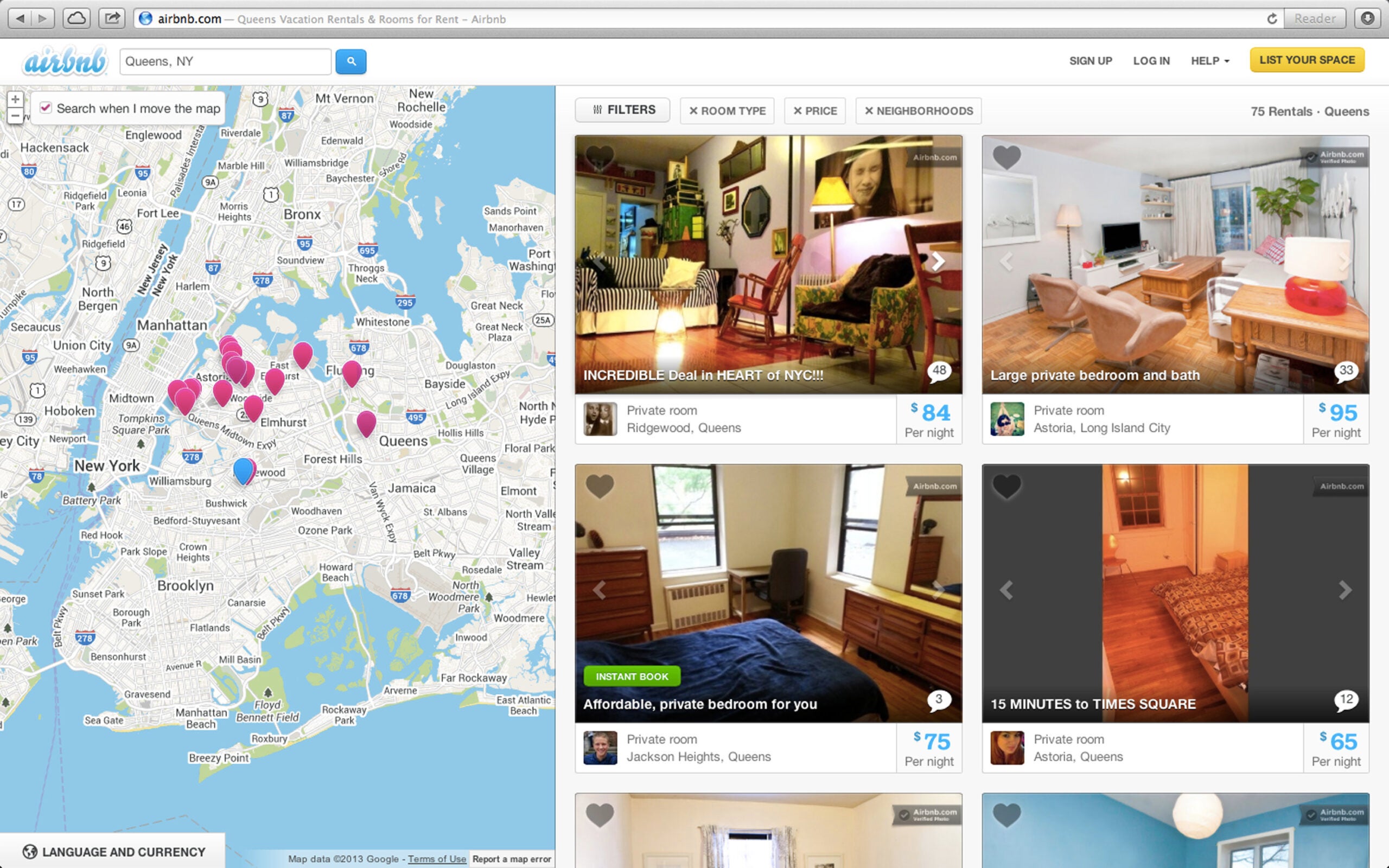
Looks like Airbnb could be headed for an early check-out in New York City.
The city has been granted a preliminary injunction against two Manhattan residential buildings for allegedly operating as illegal hotels. The city claims owners violated municipal fire and building codes, and are accused of skipping associated tax payments.
So far, the company’s Boston-area operations appear safe. While city officials have previously considered regulating Airbnb, nothing solid has come to fruition.
A statement released today by Boston Mayor Martin Walsh’s press office indicates the city has no immediate plans to interfere with Airbnb’s service:
“The Walsh Administration has made it a priority to engage with ‘sharing economy’ businesses. These innovators share our vision for Boston: they support economic vibrancy, reduce our environmental footprint, foster local community, and provide choices for our residents and visitors to interact with services …’’
However, the administration’s statement also left the door open to future regulations:
“We know that these are complex models that affect a broad list of stakeholders, from consumers to investors to regulatory bodies. We have a responsibility to craft policies that reflect our values, protect public safety, and ensure that the benefits of the sharing economy extend to all of those within Boston.’’
Meanwhile, the Massachusetts Attorney General’s office tells Boston.com there are only two records of consumer complaints against Airbnb to date.
The New York City injunction follows a scathing report last week from New York State Attorney General Eric T. Schneiderman that found more than 70 percent of listings on Airbnb to be illegal.
The Schneiderman report also revealed a small fraction of Airbnb hosts “dominated’’ the service from January 1, 2010 to June 2, 2014. According to Schneiderman, during this time “six percent of hosts dominated the platform…offering up to hundreds of unique units, accepting 36 percent of private short-term bookings, and receiving $168 million, 37 percent of all host revenue.’’
Airbnb, a cornerstone of the emerging “sharing economy,’’ enables property owners to rent out their homes to tourists and travelers. Homeowners stand to make money off of their vacant unit and tourists can save by spending their money on rentals instead of a pricey hotel.



To comment, please create a screen name in your profile
To comment, please verify your email address
Conversation
This discussion has ended. Please join elsewhere on Boston.com