
Before and post-pandemic, improving your home’s function as a refuge
When your entire life is happening inside your home, it matters how that space feels and functions.
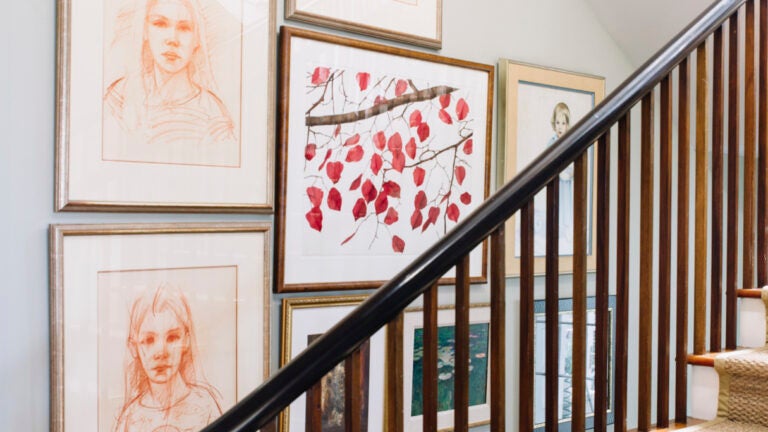
When your entire life is happening inside your home, it matters how that space feels and functions.
Interior designers often focused on this even before self-quarantine, asking clients how they spend their time at home and how various rooms might make them happier. These questions get at the real purpose of a well-designed home.
And now they seem more important than ever before.
“We’re expecting more from our homes than we ever have before, and they can serve us in more ways than we’ve asked in the past,’’ said New York-based interior designer Carolyn DiCarlo. “We’ve historically looked to trends or magazines to tell us what to put in our homes. But now is a different time. It’s time to consider our home as our personal place of refuge and how to make that happen.’’
Here, DiCarlo and two other interior designers — New York-based Jenny Dina Kirschner and South Carolina-based Elizabeth Stuart — share advice on how they create homes that make clients’ lives better.
These changes don’t have to be complicated or expensive. They just involve asking the right questions.
What do you see when you walk in the front door?
Entering our homes after a trip to a store has become newly stressful, but it’s always been important, said Stuart. Improving the first 4 feet of space when you walk in, Stuart said, can boost the way you feel at home.
Especially if you enter through a garage or mudroom, she said, make sure “that first thing you have when you come home is not chaos.’’
Consider creating a neater, cleaner entryway with a bench or chair where you can remove shoes (and use hand sanitizer); dedicated spots for items like keys; appealing lighting; and perhaps a diffuser with a calming fragrance. You can even add easy access to something comforting, like a cold drink.
Plan these spaces with your temperament and wellness in mind, DiCarlo said. For example, those prone to depression might benefit from adding warmer colors.

Next, DiCarlo encourages people to walk through each room of their home and notice: Does it feel unwelcoming or disorganized? Which rooms reflect who you are, or aim to be, and which don’t?
“I look to see where their lack of ease is,’’ DiCarlo explained. “That’s sort of the meat of how you get into this exploration.’’
Kirschner recommended a similar approach, and said it often leads clients to realize they want more organization or a less sterile, more welcoming home. Gray is a popular color in decor, but a room decorated mainly in stylish gray and white can feel dreary or cold. If so, add bright colors by ordering a few new items or bringing in bright pieces from other rooms.
And when it becomes possible to renovate again, consider adding or changing windows. Kirschner had a client who wanted a more open and airy home. “She had a duplex, so we cut a hole out of the ceiling over the living room to get double height,’’ and added glass panels along one wall, Kirschner said.
Rearranging your furniture to maximize how much light you get at different times of day can be an easy fix, DiCarlo said.
Also consider: Does your home have a center?
While writing a book about using a home to improve wellness and happiness, DiCarlo has been researching sacred spaces. These spaces always have a fixed center from which to gain orientation, she said, and activity flows in and out of that center.
Your “center’’ doesn’t have to be the literal middle of your home, she said. It could be a welcoming kitchen at the back. But note the flow of activity and energy in and out of it, and perhaps improve it with things like soothing music and healthy green plants.
What about your stuff? Kirschner said clutter adds low-level stress to many homes, yet people tolerate it because they’re busy and aren’t sure how to address it.
“People have a very hard time with organization,’’ she said.

During self-quarantine, clutter may cause even more stress, so consider eliminating unwanted items and creating better storage systems for what remains, Kirschner said. On the flip side, Stuart said, consider whether some items should come out of storage. Do you have a collection of things that would bring you joy if you put it where you’d see it every day?
Another question: Is your bedside table too small? Make sure you have enough space for a book, water glass, or whatever you want handy.
Last: Where do you do the things that bring you happiness?
Think about where you like to sit — or where you would sit if you had the right chair, said Stuart. Coffee-lovers can create a cozier place to drink their morning coffee, while book lovers could choose exactly the right chair and ottoman, and place them near the right lamp or window. Whether you love knitting or taking long baths, DiCarlo said, make a space for your favorite thing — even if it’s a tiny area — and enjoy it.
You’re “actually making a place not just for refuge,’’ she said, “but for ritual.’’
Subscribe to the Globe’s free real estate newsletter — our weekly digest on buying, selling, and design — at pages.email.bostonglobe.com/AddressSignUp. Follow us on Facebook, Instagram, and Twitter @globehomes.




To comment, please create a screen name in your profile
To comment, please verify your email address
Conversation
This discussion has ended. Please join elsewhere on Boston.com