



Address Newsletter
Get the latest news on buying, selling, renting, home design, and more.
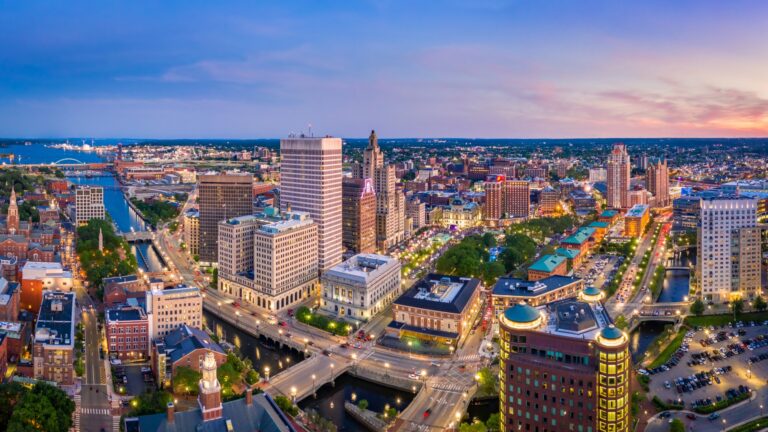
Zillow recently named Providence one of the top 10 hottest markets in the country, and we’re looking at the effects of that popularity. With an influx of movers, particularly from Massachusetts, rental costs in the Rhode Island metro are growing at one of the fastest rates in the country.
Providence had the largest increase in the average rent from December 2023 to December 2024 of the country’s largest metros: 12.6 percent with a median asking rent of $2,145, according to Rent.com. The national median monthly rent was $1,373 in December, a decline from the 2023 median.
| MEDIAN ASKING RENT DEC. 2024 | % CHANGE FROM DEC. 2023 | |
|---|---|---|
| US | $1,373 | ⬇️0.6% |
| Providence | $2,145 | ⬆️12.6% |
| Boston | $2,660 | ⬆️5.8% |
| Worcester | $2,025 | ⬆️7.3% |
Rhode Island’s housing shortage is a primary contributor, causing problems in availability and affordability. The shortage is due to a variety of factors, including the state having the lowest per-capita home construction rates in the country, according to US Census Bureau data.
More people can work remotely at least part of the time, which leaves them open to finding a more affordable housing market. When workers are needed in-person, however, Providence’s location makes it a more affordable option for commuters.
“There are some other markets that exhibit this same trend” in which smaller secondary cities outside really expensive markets see faster rent growth that that core city, said Chris Salviati, senior housing economist at Apartment List.
But even with the city’s comparative affordability, financial burdens in the area prevail. In total, there are more than 22 million rent-burden households across the United States, a record. To be considered rent-burdened, a household spends at least 30 percent of its gross monthly income on housing costs. In metro Providence specifically, 50 percent of renter households spend at least 30 percent of their income on rent, and 26 percent shell out more than half, GoLocalProv.com reported in November, citing an Apartment List study.
The speed of rent growth in Rhode Island has been a trend since the onset of the pandemic. Rent prices were growing before COVID hit but accelerated in 2021. Year-over-year rent growth in metro Providence peaked in September 2021 at 20.8 percent, according to Apartment List data. From the start of the pandemic in March 2020 to now, rents in the metro area are up 33.5 percent in total, which ranks fifth for total rent growth during that period among all US metros with a population of more than a million.
“We are definitely seeing things cool off over the course of the past year; rent growth is not nearly where it was a couple of years ago,” said Salviati. “I don’t think we’ll see it return to those pandemic levels, but I also don’t think we’ll see rent prices dip, and Providence will continue to be a hot market.”
Get the latest news on buying, selling, renting, home design, and more.




To comment, please create a screen name in your profile
To comment, please verify your email address
Conversation
This discussion has ended. Please join elsewhere on Boston.com