
Rent growth slows for high-end apartments, but not for the rest
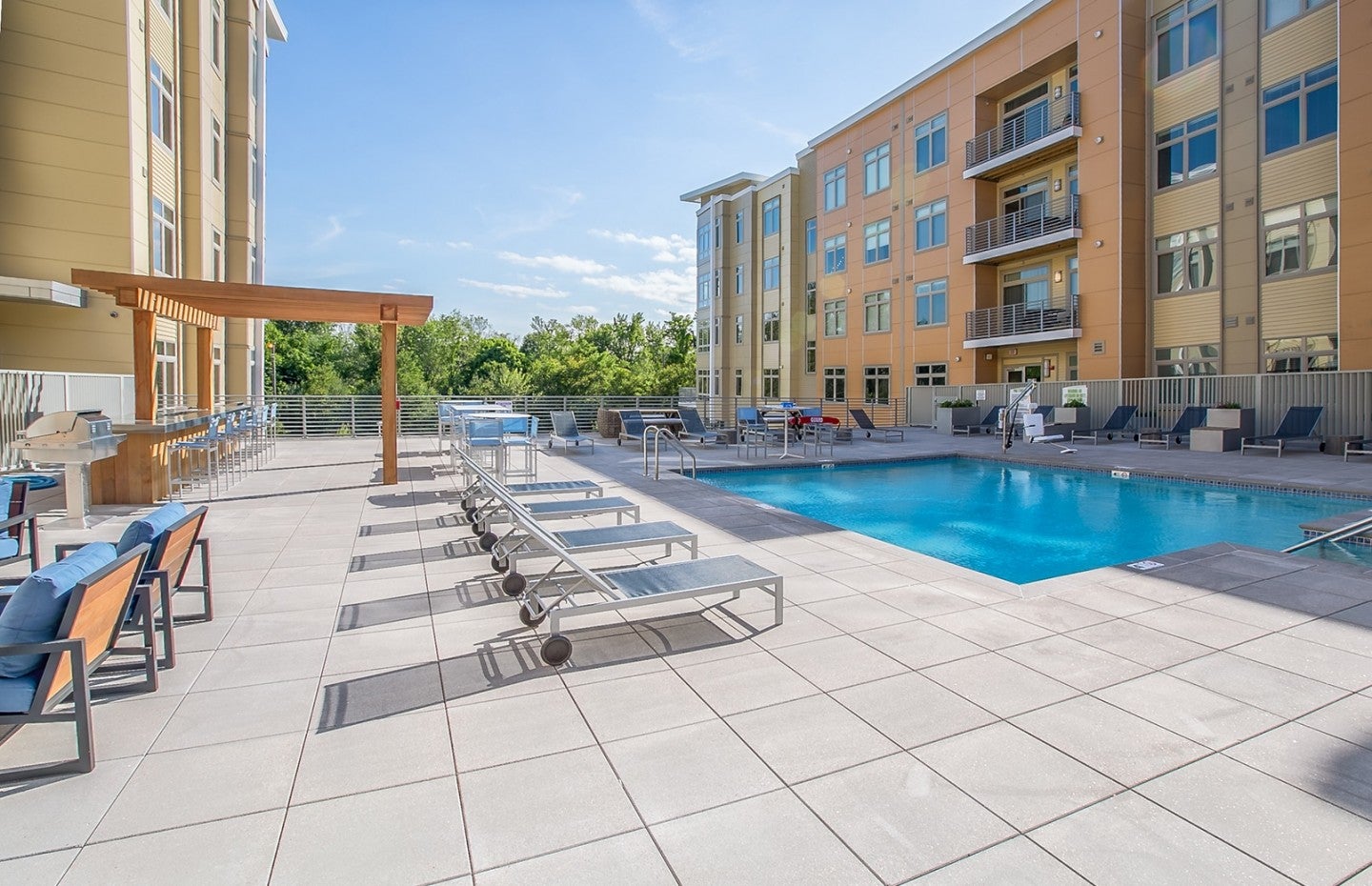
Not only are the rich getting richer, they are also benefiting more from a cooling rental market, new stats show.
Rent increases have slowed over the past year in 71 percent of the Boston area’s “luxury zip codes” where $3,000 and up is the norm, Zillow reports.
That’s compared to 61 percent for the rest of Greater Boston where rents are not so lofty. In those areas the median rent is closer to $1,300 for a 1,000-square-foot apartment.
And renters on the high end are also more likely to be offered all sorts of incentives to sign a lease.
A flood of posh new apartment towers has sparked fierce competition, forcing developers to offer free rent for a month or two and other goodies as they battle for a shrinking pool of affluent tenants.
But in a large percentage of the Boston rental market beyond downtown Boston and other luxury hotspots, rents are still galloping ahead.
“There has been a slowdown in the apartment market but it is more common in luxury zip codes than in non-luxury ones,” noted Aaron Terrazas, senior economist at Zillow.
Slowing luxury rents is not just a Boston phenomenon, but one taking place around the country as new luxury towers flood city centers from New York to San Diego.
It’s not just having more options for affluent renters to choose from that has led to a slowdown in the luxury market.
Rents have reached such stratospheric levels at the top of the market that it has also prompted some would-be luxury apartment tenants to bail on the market altogether.
Faced with soaring rents, some luxury renters have decided it now makes more sense to buy than lease, helping drive up sales and prices of the most expensive condos, Terrazas said.
But others are finding they can no longer afford to live in the toniest addresses and instead being forced down into the middle of the market.
In a cruel twist, that has increased competition for less expensive apartments in the broad middle and lower tiers of the rental market, he said.
Middle and lower income renters can’t necessarily afford to buy, forcing them to duke it out with an influx of higher-income rivals, Terrazas said. Not only are their bank accounts thinner, a severe shortage of available listings has made it difficult for many to land a house or condo.
“I think as rents have reached this level in luxury areas people … are being pushed into the middle and lower tier markets,” Terrazas said. “Demand is shifting from the high end market to the middle.”





To comment, please create a screen name in your profile
To comment, please verify your email address
Conversation
This discussion has ended. Please join elsewhere on Boston.com