
Even the middle class can’t afford these crazy rents, says Harvard
Rising rents and falling incomes have squeezed everyone in the past 15 years.
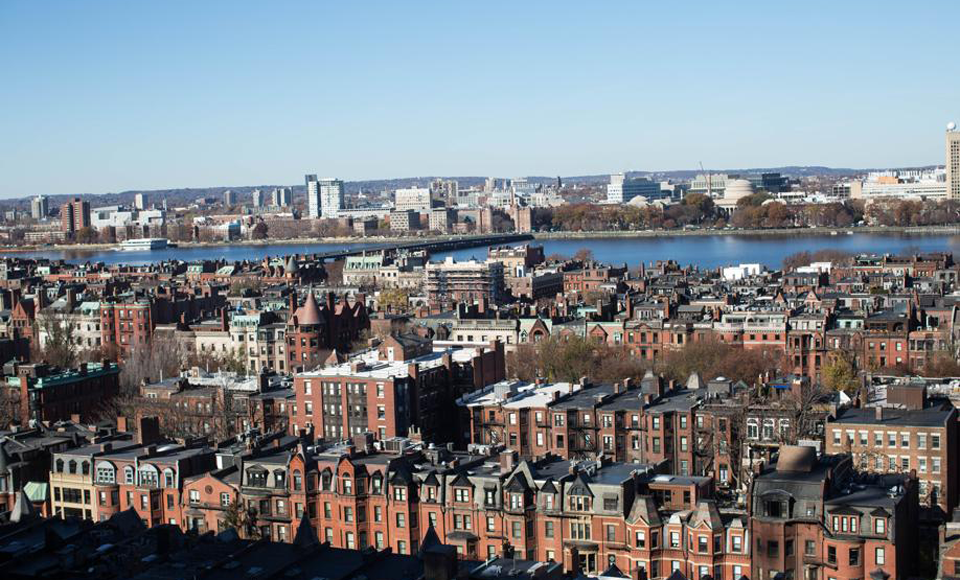
Middle class tenants in Boston and across the country are increasingly cash strapped as apartment rents escalate, a new report out of Harvard finds.
The number of renters considered “cost burdened’’ but in many cases making between $30,000 and nearly $45,000 rose to 48 percent in 2014 from 37 percent in 2001, according to the latest biannual report on the nation’s rental market unveiled by Harvard University’s Joint Center for Housing Studies.
Those cost pressures were particularly fierce in the Boston area, which has the third-lowest apartment vacancy rate in the country – just over 2 percent – below only Minneapolis and New York.
In Boston, nearly 70 percent of moderate income tenants – making $30,000 to $44,999 – are shelling out more than 30 percent of their income in rent, fitting the definition of cost burdened, the report notes.
9 questions to ask when viewing an apartment
“The crisis in the number of renters paying excessive amounts of their income for housing continues, because the market has been unable to meet the need for housing that is within the financial reach of many families and individuals with lower incomes,’’ said Chris Herbert, managing director of the Joint Center For Housing Studies at Harvard, in a press release. “These affordability challenges also are increasingly afflicting moderate-income households.’’
Renters are being squeezed by a combination of rising rents and falling incomes.
While rents rose by 7 percent between 2001 and 2015, incomes fell by 9 percent, according to the Harvard study.
The total number of renters – including those considered solidly middle class – also rose during the same period.
All told, there are more than 7 million additional renters than there were at the start of the 2000s, with roughly half, 3.3 million, earning $50,000 or more a year.
The number of renters ballooned, particularly after the Great Recession and the housing crash, which saw 8 million homes lost to foreclosure. Others simply can’t get a mortgage, with banks having raised credit standards in the years after the crash, the report found.
Not even those making between $45,000 and just under $75,000 are immune to these trends. The percentage of renters in this solidly middle-class income bracket struggling to pay their bills nearly doubled to 21 percent in 2014, compared to 12 percent in 2001.
By far the hardest hit, though, are those at the very bottom of the income pile. Of renters making $15,000 or less in the Boston area, nearly 90 percent are considered cost burdened, according to the Harvard report.





To comment, please create a screen name in your profile
To comment, please verify your email address
Conversation
This discussion has ended. Please join elsewhere on Boston.com