
Neighborhood fact sheet: Chinatown
The basics about Chinatown’s restaurants, bars, grocery stores, coffee shops and more.
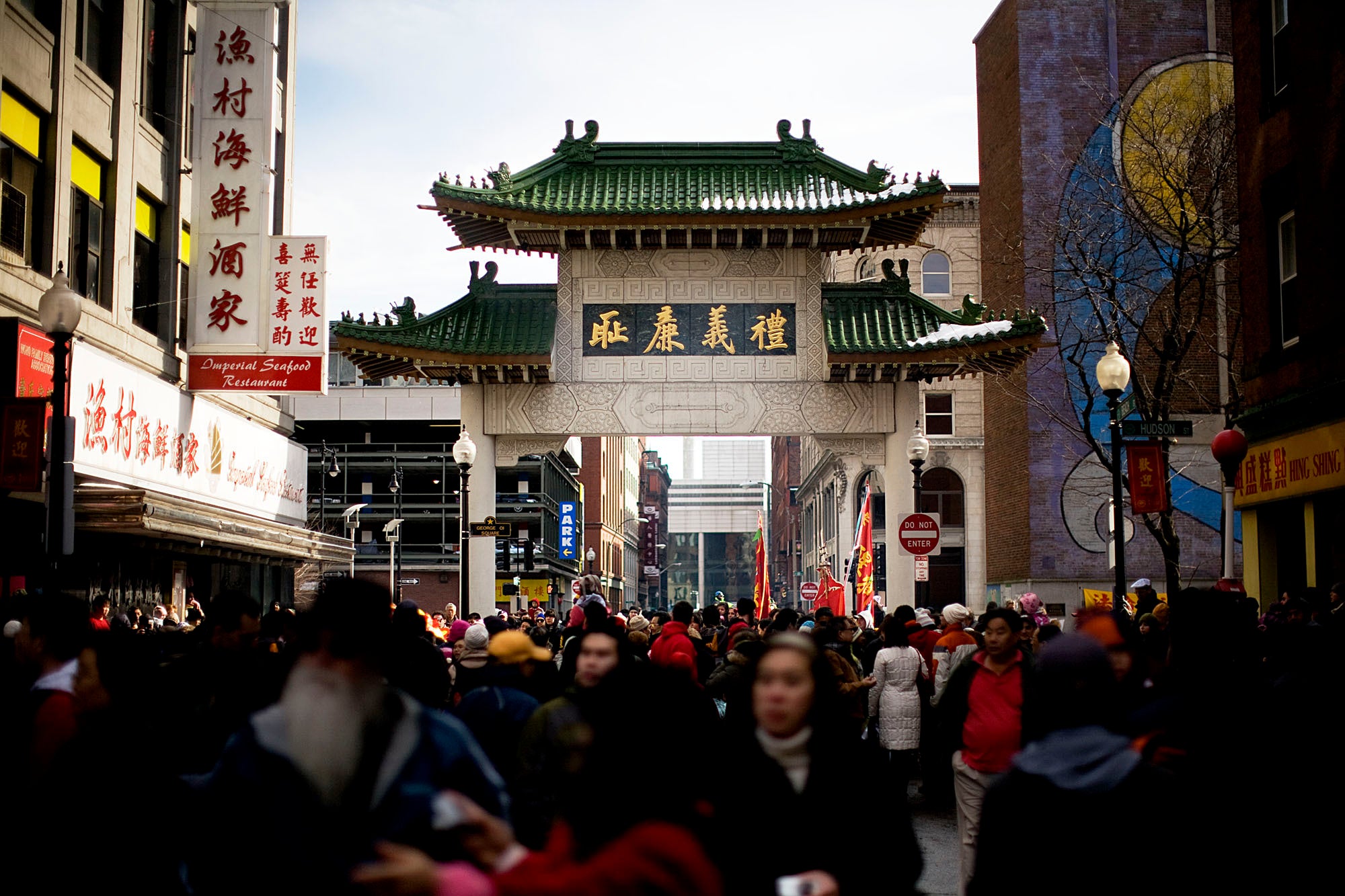
This is one of 10 fact sheets meant to give new renters the basic information they need to know about their new neighborhoods. The series covers the 10 neighborhoods in Boston with the highest percentage of renters. You can learn about the rest here: Allston, Brighton, East Boston, Fenway, Longwood Medical Area, Mission Hill, North End, Roxbury, West End.
Due to “data limitations’’ the Boston Redevelopment Authority’s “Boston in Context’’ report, where our demographic data comes from, combined the nieghborhoods of Chinatown, Leather District, and Downtown into “Downtown.’’ Some of the data below may apply to additional neighborhoods.
Average age: 37.5
Percent of people with bachelor degrees or higher: 56.4%
WalkScore (including Leather District): 98
Public transit options:
Orange line stations: Chinatown, Tufts Medical Center, Downtown Crossing
Silver line stops: 4, 5
Bus lines 11, 15, 43, 501, 504, 505, 553, 554, 556, 558
Highest-rated delivery spot on Yelp*: Irashai Sushi and Teriyaki, 8 Kneeland St.
Highest-rated date-worthy restaurant ($$$ or up):O Ya, 9 E St. Pl.
Highest-rated coffee and tea shop: Caffè Nero, 560 Washington St.
Notable bars:
Intermission Tavern, 228 Tremont St.
Blu Restaurant & Bar, 4 Avery St.
Biggest grocery stores:
Whole Foods Market, 348 Harrison Ave.
G Mart 2 Supermarket, 109 Lincoln St.
Jia Ho Supermarket, 692 Washington St.
*Delivery restaurants do not need to physically be in the neighborhood in question. They must deliver to an address we chose in the center of the neighborhood.
How to make your apartment look like an adult’s, according to Newton-based interior designer Heather Vaughan



To comment, please create a screen name in your profile
To comment, please verify your email address
Conversation
This discussion has ended. Please join elsewhere on Boston.com