
Are you renting an apartment this year? Learn your legal rights
Whether you’re a college student living off campus or a young professional, you should know your legal rights as a tenant.
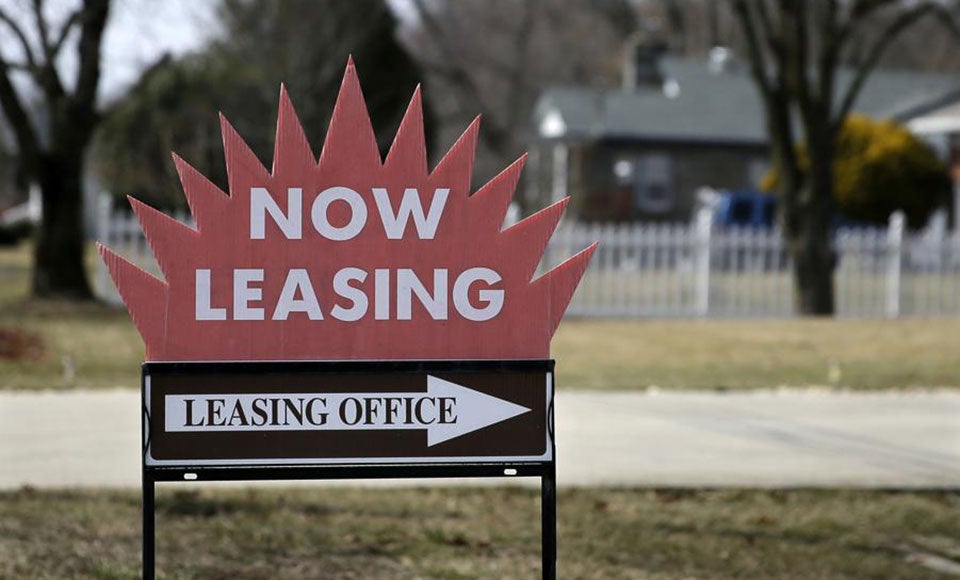
Are you among the thousands of folks who are renting an apartment? Whether you’re a college student looking to live off campus or a young professional settling into Greater Boston for work, there are some things you should know about your legal rights as a tenant.
Stephen Callahan, a professor at Suffolk University Law School and director of its Evening Landlord-Tenant Clinic, and attorney Adam Ponte of the law firm Fletcher Tilton, shared their insight on tenant-landlord rights. Check out what they have to say before you sign your lease.
What happens when the landlord drops by?
What are you getting by signing a lease? “A residential lease is a contract in which the tenant pays rent in exchange for the exclusive possession of the premises,’’ says Callahan. “That means that the landlord may not enter the apartment without notice to and consent of the tenant.’’
Bear in mind, there are some exceptions. After giving the tenant proper notice, the landlord may enter:
• If the premises appear to be abandoned
• To inspect the property within the last 30 days of tenancy
• To make repairs
• To show the apartment to a prospective tenant, purchaser, mortgagee or its agents
• In accordance with a court order
The landlord should be reasonable and attempt to arrange a mutually convenient time to visit the apartment. If the landlord insists on entering the apartment in an unreasonable fashion, you may file a temporary restraining order.
Are you getting everything you are owed?
Ponte says before you sign your lease, make sure everything orally promised by the landlord is clearly and explicitly written in the lease.
“For example, the landlord may have promised to install a dishwasher or new refrigerator before the tenant’s move-in day, and the tenant should make sure this promise is written into the lease, including the date upon which the new appliances will be available in the apartment,’’ says Ponte.
Ponte says by law your lease must include the contact information (name, address, telephone numbers) for the property owner(s) and other individuals or entities responsible for maintaining the property, and the contact information for the person(s) authorized to receive written notices of violations related to the property.
How to get your money back?
Some apartments require a security deposit. So what do you need to do to ensure you see your security deposit again? Adam Ponte, an attorney with Fletcher Tilton, says the trick is to pay close attention to your lease.
“Reading the fine print carefully will help a tenant avoid any surprises,’’ say Ponte.
In Massachusetts, a landlord must give the tenant a “statement of condition’’ within 10 days of receipt of the security deposit. The statement of condition describes the condition of the apartment and any damage that exists at that time. A tenant has 15 days to add to the statement of condition or make changes to it. A tenant should be sure to fill out the statement of condition, return it to the landlord and to keep a copy of it for their records.
Ponte recommends taking pictures showing the apartment’s condition and documenting any and all damage. Make sure the photographs contain timestamps. This ensures that if a landlord tries to withhold the security deposit for something you did not do, you have proof.
In addition, Ponte points out that the landlord is “required to hold the security deposit in a separate, interest-bearing account and must give the tenant a receipt and notice of the bank account number.’’
Finally, because a landlord can only deduct from a tenant’s security deposit for repairs that go above and beyond normal wear and tear (landlord is obligated to pay for normal wear and tear), a tenant should clean before vacating the apartment and repair damage that is easily fixed (i.e. repair drill holes, paint the apartment if you initially painted).
Is it safe?
As a tenant, you are entitled to a safe and habitable living environment from your landlord. This means your are entitled to the following conditions:
• A functional heating system
• Adequate water (hot and cold)
• A proper kitchen with a sink and a stove
• A structurally sound apartment
• An apartment free of rodents and/or insect infestation
If your landlord has been notified of any problems and has failed to provide you with a habitable residence, Callahan says you may consider withholding a portion of the rent until repairs are made if you are not behind in your rent payments.
Who is responsible for snow removal?
In Massachusetts, snow and snowstorms can be big headaches. So who is responsible for clearing snow after snowstorm? The tenant or the landlord? Well, that depends, says Ponte.

“Massachusetts regulations require landlords to ensure that exits are free from snow, trash and other obstructions,’’ says Ponte. “This only applies, however, to properties with more than one dwelling, such as an apartment building. Massachusetts law, however, provides that cities and towns may issue their own ordinances requiring property owners to take even greater precautions in removing snow.’’
Ponte says it is important to note that a landlord can insert a provision in your lease requiring you to remove snow, so long as your “dwelling has an independent means of [exit], not shared with other occupants,’’ as compared with a common area of an apartment complex.
Know the law
Perhaps most important, remember that discrimination in housing is against the law in Massachusetts. As Stephen Callahan points out, “The landlord may not discriminate against a tenant or a prospective tenant on grounds of race, color, religion, national origin, sex, sexual orientation, marital status, family status (e.g. whether there are children), physical or mental disability or handicap, receipt of public assistance, receipt of housing subsidy, age or gender identity.’’
And finally…
Here are a few very important things to consider before you sign a lease. Do not put money down unless you are sure you want the apartment. You might be legally entitled to get your money back until the landlord formally accepts you as a tenant, but that money might be difficult to recover.
Also, remember to calculate the anticipated costs of the apartment’s utilities (heat, electricity, etc.) to make sure the apartment is affordable.
Know what is expected of you in terms of pre-payments or a finder’s fee and check to make sure the apartment is in acceptable condition. Ask the neighbors about the landlord’s reputation.
If there is a problem with plumbing or broken appliances, check the arrangements for a response to an “after hours’’ emergency.



To comment, please create a screen name in your profile
To comment, please verify your email address
Conversation
This discussion has ended. Please join elsewhere on Boston.com