
What the White House is planning to improve housing affordability
Millions are getting priced out of homeownership. In Greater Boston alone, the home price index climbed 18.6 percent year over year.
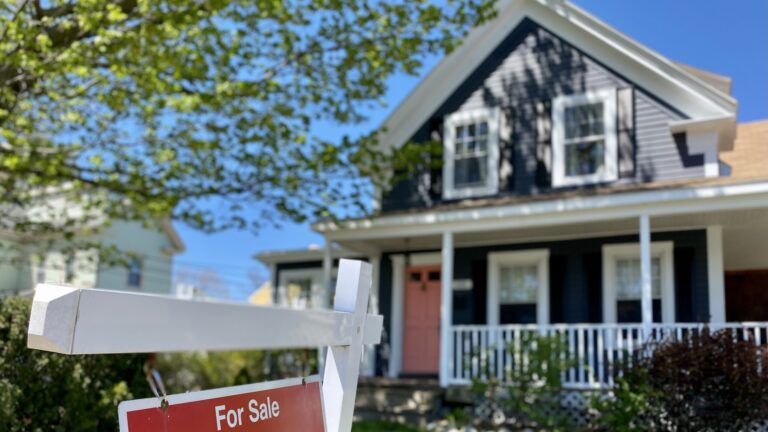
WASHINGTON — White House officials are outlining plans to build and restore more than 2 million homes, a response to the volcanic rise in housing prices over the past year.
Millions of Americans are getting priced out of ownership or stuck spending the bulk of their income on rent. The S&P CoreLogic Case-Shiller 20-city home price index climbed a record 19.1 percent in June from a year ago, as too few homes are available to buy and low interest rates have enabled affluent buyers and real estate investors to pay more for homes. In Greater Boston, the index climbed 18.6 percent year over year.
The jump in prices is a threat to President Joe Biden’s vision of centering the US economy on the middle class, a group that has defined itself in large part by homeownership. Americans’ desire to own homes has also altered regional politics, as suburbanites aligned with Democrats in 2020 to help give Biden key victories in Arizona and Georgia, two states that have added population through new-home construction.
The White House Council of Economic Advisers on Wednesday posted on its blog a detailed analysis of the affordability problem and the administration’s plans to relieve it. Its analysis notes that the housing supply has fallen short of population growth for four decades, so many of the challenges predate the disruptions caused by the COVID-19 pandemic.
Researchers at the mortgage buyer Freddie Mac estimate that the United States is 3.8 million homes shy of what is needed to meet demand.
The persistent shortage has meant that home prices are steadily increasing faster than incomes, making it harder for first-time buyers to save for down payments and keeping them in rentals longer. Nearly half of renters spend more than the recommended 30 percent of their incomes on housing.
To increase home construction, Biden’s economics team proposes a series of policy shifts.
First, it intends to deliver 100,000 affordable housing units over three years through a series of administrative changes. It will increase mortgage availability through Freddie Mac and Fannie Mae for manufactured houses and buildings with two to four units. The government also intends to make it easier for would-be owners and nonprofits to buy homes that failed to sell in foreclosure auctions, as well as expand outreach to local governments and nonprofits to buy federally held homes.
The government also plans to increase the financing options for apartment buildings through tax credits, loans, and grants.
Secondly, the Biden administration estimates that its economic agenda would lead to the construction and renovation of 2 million homes.
This would include the use of federal subsidies, the low-income housing tax credit, a new tax credit for construction in economically vulnerable neighborhoods, and incentives to remove exclusionary zoning and land use policies by local and state governments that limit new construction.
Still, the blog post cautioned that a supply crunch could linger.
“There is no magic formula to quickly relieve the supply constraints,” it concluded.
Subscribe to the Globe’s free real estate newsletter — our weekly digest on buying, selling, and design — at pages.email.bostonglobe.com/AddressSignUp. Follow us on Facebook, LinkedIn, Instagram, and Twitter @globehomes.




To comment, please create a screen name in your profile
To comment, please verify your email address
Conversation
This discussion has ended. Please join elsewhere on Boston.com