
US housing starts top forecasts; permits rise to a seven-month high
Single-family starts, a key segment, however, fell to the lowest level since May 2017.
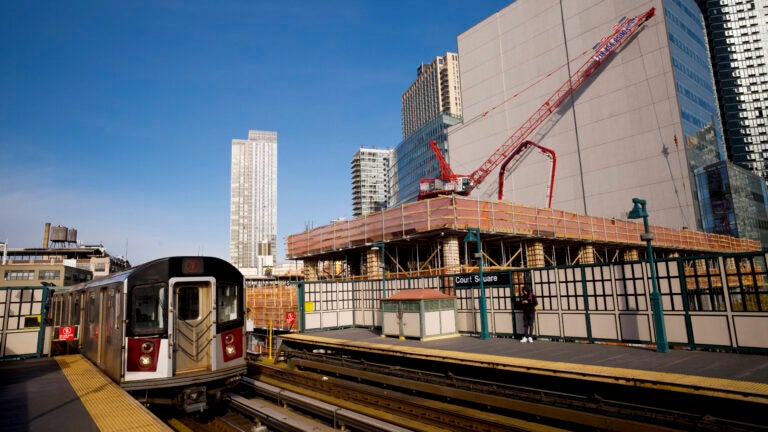
WASHINGTON — US new-home construction rebounded to the best pace since August last month, while permits rose to a seven-month high, a sign home building is potentially stabilizing even as higher prices and borrowing costs pose headwinds.
Residential starts rose 3.2 percent to a 1.26 million annualized rate, exceeding forecasts, after a 1.22 million pace in the prior month that was revised down slightly, government figures showed Tuesday. Single-family starts, a key segment, fell to the lowest since May 2017. Permits, a proxy for future construction, climbed.
The results provide some relief after several months of mixed data raised questions about whether residential construction was heading into a deeper slowdown. While housing starts have bounced around this year instead of accelerating, economists don’t expect the industry to collapse like it did in the mid- 2000s.
One weak spot was single-family starts, which fell 4.6 percent to an 824,000 pace. Starts for multifamily homes, a category that tends to be volatile and includes apartment buildings and condominiums, jumped 22.4 percent to a 432,000 rate.
In an encouraging sign, permits rose 5 percent to a 1.33 million rate, topping estimates for 1.26 million and helped by gains for both single- and multi-family dwellings.
The job market remains solid and mortgage rates are stabilizing after recently hitting a seven-year high. At the same time, builders face higher costs for labor and imported materials such as steel, reflecting the trade war, and demand also has cooled amid rising borrowing costs and elevated home prices.
The report follows figures on Monday showing a gauge of home builder sentiment tumbled in December to the lowest level in three years, with declines across measures of current sales, the outlook and prospective buyer traffic.
Starts exceeded the 1.23 million forecast in Bloomberg’s survey of economists, while October’s were revised down to a 1.22 million pace from 1.23 million. Two of four regions posted gains, including a 15.1 percent rise in the South. The Midwest and West showed declines.
The Census Bureau and Department of Housing and Urban Development in Washington released the report jointly.
Subscribe to the Globe’s free real estate newsletter — our weekly digest on buying, selling, and design — at pages.email.bostonglobe.com/AddressSignUp. Follow us on Facebook and Twitter @globehomes.





To comment, please create a screen name in your profile
To comment, please verify your email address
Conversation
This discussion has ended. Please join elsewhere on Boston.com