
Study finds new developments benefit the state more than they cost local communities
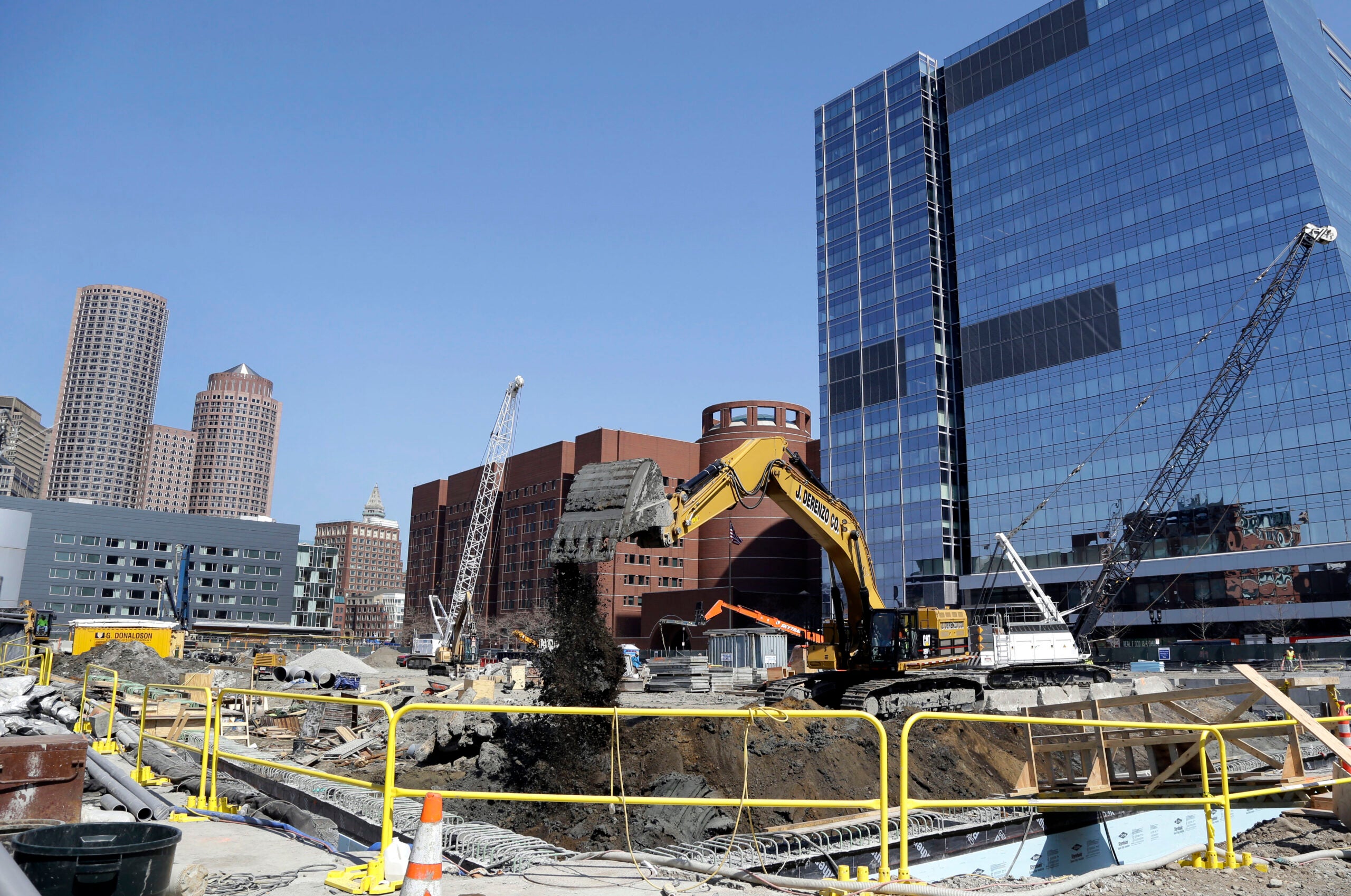
One of 2015’s most talked about local real estate trends was the price increases caused by a lack of housing in the state, more specifically the lack of new developments. Development costs are high, some cities have building restrictions that make getting permits difficult and locals sometimes fight fiercely to keep new projects out of their communities.
Residents opposing new construction often fear the need for municipal services and more school resources to deal with an influx of newcomers will put a financial burden on the town.
A recent study suggests such opposition could be assuaged if the state revenues generated by new developments were redistributed at the local level.
Researchers at the University of Massachusetts, Dartmouth, who received funding from the Massachusetts Housing Partnership, found that serving newcomers is not always as expensive for local municipalities as residents think. And even when local communities do pay a price, the state as a whole collects more than money from the developments to make up the difference.
“The bottom line is that there is substantially more state tax income and sales tax revenue generated by these developments — more than enough to provide for any local shortfalls,” Michael Goodman, executive director of the Public Policy Center and associate professor at the UMass Dartmouth, told WBUR.
The researchers noted in the study’s introduction that they expanded upon previous research looking at developments in Brookline, Falmouth, Northampton, Peabody, Sandwich, and Wilmington, finding results that indicate local residents should possibly not be as concerned about the financial implications to their communities.
According to the study:
“Our analysis of these six cases finds that, in the aggregate, the six new developments generated considerably more state tax revenue than any actual local revenue shortfalls. Overall, we find that only 31 percent of the net new state tax revenue generated by the developments would be needed to completely offset the negative fiscal impacts experienced by three of the six communities. This suggests that the positive state fiscal benefits of new housing development are more than sufficient to support a state fund to guarantee that communities will be made financially whole in the event they allow the development of housing that meets regional and statewide needs, but find themselves fiscally disadvantaged as a result.”
Basically it is clear that these new developments benefit the state, though as WBUR points out, the positive impacts on local communities is less clear, as “currently there is no mechanism in place for redistributing these specific revenue increases to affected cities and towns in any targeted way.” Adding such a mechanism may help to overcome local opposition.




To comment, please create a screen name in your profile
To comment, please verify your email address
Conversation
This discussion has ended. Please join elsewhere on Boston.com