
Nebraska man who lost his home over $588 debt is getting it back
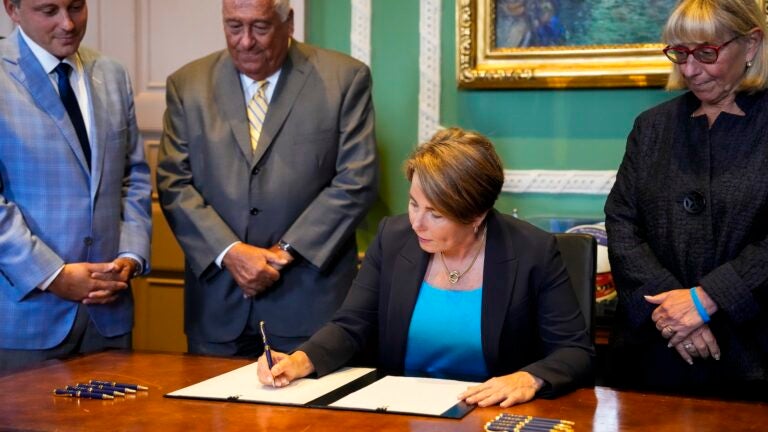
In May, the Massachusetts Senate unanimously passed an amendment to its annual spending plan that would prohibit municipalities from taking all of the equity homeowners have in their property in tax-taking cases.
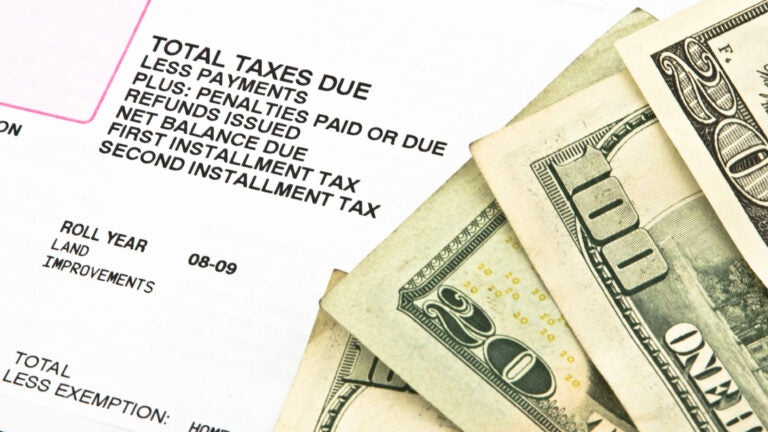
A Nebraska man is getting title to his home back, years after losing it over a $588 tax debt, one of his lawyers said Thursday.
Kevin Fair of Scottsbluff has been involved in a legal dispute since 2018, when he lost title to the home he had owned for nearly three decades for failing to pay $588 in overdue property taxes. Scotts Bluff County sold the lien to a private investor, as allowed by Nebraska law at the time.
When Fair couldn’t repay the money along with interest and fees, the title went to the investor, though Fair was allowed to stay in the home while the legal dispute played out.
The Nebraska Supreme Court ruled against Fair in 2022, but a year later, the US Supreme Court ordered the state court to reconsider. In August, the Nebraska Supreme Court ruled that Fair should retain title to the house.
Fair’s appellate law firm, Pacific Legal Foundation, said Fair and the investor have amicably resolved their dispute, ending the legal battle.
The case confirmed that home equity “is protected by the Constitution,” said Christina Martin, senior attorney at Pacific Legal Foundation. As for Fair, the ruling “is protecting him from, in all likelihood, homelessness,” she said.
More on property taxes
A message seeking comment was left Thursday with an attorney for Scotts Bluff County.
Fair and his wife, Terry, had already paid off the mortgage for their home in Scottsbluff, a town of 14,300 people in far western Nebraska, by the early 2010s. But in 2013, Terry was diagnosed with multiple sclerosis and Kevin quit his job to care for her. The couple fell behind on their property taxes, owing $588.
The county placed a lien on the home and listed the delinquency in the newspaper. In 2015, the county sold the tax lien to the private investor, which paid the home’s taxes for three years.
When the investor called for the Fairs to pay the accrued $5,268 in taxes, interest and fees, they couldn’t. Scotts Bluff County turned the title and equity over to the investor in 2018.
Kevin Fair’s lawsuit contended that while the state should be allowed to collect its debt, it should not be allowed to seize the home or the equity in it above the debt amount — $54,000 in this case.
Mass. takes steps to halt equity seize

In May, a federal court judge this pointedly called into question the way a Massachusetts city confiscated the home equity of a homeowner who had fallen behind on his property taxes, the Globe’s Sean Murphy reported in his “The Fine Print” consumer advocacy column.
The judge’s comments came in a 15-page ruling in which he allowed the former homeowner to go forward with a lawsuit that demands $270,000 from the city of Greenfield — the amount of equity he lost.
The decision by US District Judge Timothy Hillman was widely anticipated by municipalities that take all the equity in properties seized for non-payment of taxes, not just what is owed, and by critics who call the practice “home equity theft.”
The lawsuit was filed on behalf of Stephen Woodbridge, who inherited two parcels in Greenfield; one that included his home on six acres and the other comprising 13 acres nearby.
The city began complex and arcane legal proceedings to take both properties after Woodbridge failed to pay about $6,000 in taxes. But Hillman noted that the 13-acre parcel alone was worth more than $49,000.
“Therefore, the sale of that property alone would have more than paid off the tax debt on both properties,” Hillman wrote. “Nevertheless, the city chose to foreclose on both properties and by doing so, has realized an enormous windfall.”
Later that month, the Massachusetts Senate unanimously passed an amendment to its annual spending plan that would prohibit municipalities from taking all of the equity homeowners have in their property in tax-taking cases, Murphy reported.
Nebraskan’s victory proved bittersweet
Back in Nebraska, the court victory is bittersweet for Kevin Fair. His wife died in 2019, and he suffered a stroke last month. Martin said he’ll need a ramp built at the home to accommodate him. A GoFundMe account had raised nearly $10,000 by Thursday afternoon.
Nebraska changed its law in 2023 so that homeowners are no longer at risk of losing their equity over unpaid property taxes.




To comment, please create a screen name in your profile
To comment, please verify your email address
Conversation
This discussion has ended. Please join elsewhere on Boston.com