
Swap your lawn for oaks: A new call to homeowners
In the ‘insect apocalypse,’ your yard could be a lifeline for bugs.
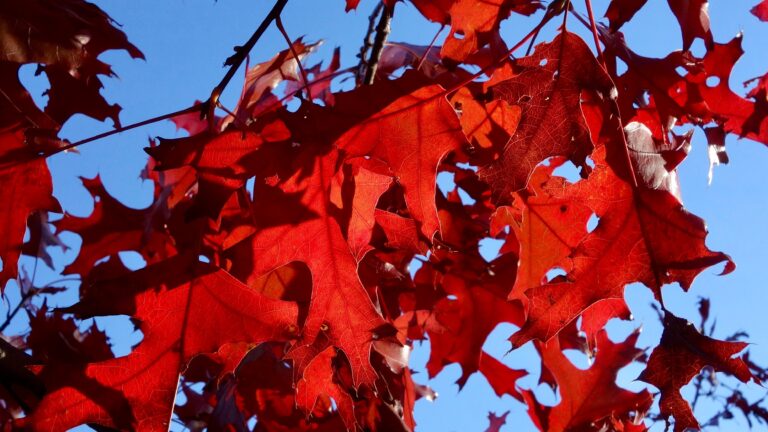
It is quite a paradigm shift to ask homeowners to switch from killing insects to encouraging them, but entomologist Douglas W. Tallamy wants homeowners to do just that by replacing half their lawns with native trees.
“When I tell people there is something they can do on their own property to support the environment and fight global warming, it makes them feel empowered. They love it,” said Tallamy, who received the George Robert White Medal of Honor from the Massachusetts Horticultural Society at Elm Bank in Wellesley on Oct 30.
Which trees should you plant?
“Make it oaks, because they support the most wildlife,” Tallamy said in an interview with the Globe. “The lawn is the worst plant for sequestering carbon. The roots are shallow, and you cut half of the leaves off every week. Lawns contribute to climate change, but trees are great.”
Tallamy’s award-winning books “Bringing Nature Home: How You Can Sustain Wildlife With Native Plants” (2007) and “Nature’s Best Hope: A New Approach to Conservation That Starts in Your Yard” (2020) have been very influential with gardeners. The message is that forests are more effective at fighting global warming than lawns, wildflower meadows, and gardens. They are also much easier to maintain, especially if you mulch with leaf mold or plant ground cover to create a no-walk zone underneath. Tallamy said to keep the lawn in the front yard for neighborly neatness and in areas where you walk, because lawns provide tick protection without spraying. (Ticks hate lawns.)
Oaks are hosts to several hundred different caterpillars. Their soft bodies are food for baby birds (who cannot digest seeds from bird feeders). Tallamy said a pair of Carolina chickadees needs 6,000 to 9,000 insects to raise a brood of nestlings, running a round-trip delivery service every six minutes from 6 a.m. to 8 p.m. seven days a week. If you spray your yard with insecticides, their babies could starve.
Surprisingly, the insect population is in alarming decline partly because insecticides have worked too well. Some call it “the insect apocalypse,” but all the higher animals, including birds and humans, cannot survive without insects, Tallamy said. “They are the foundation of the food chain.”

Because they evolved here, native trees host 10 to 100 times more insects than “pest-free” ornamental plants from other parts of the world. In addition to planting red and white oaks, Tallamy recommended replacing Japanese hydrangeas and your lawn with native sugar maples, red maples, black cherries, pussy willow, shadbush, American sycamore, river birch, box elder, American basswood, American dogwood, hackberry, American holly, and Princeton elm. For more information, visit Tallamy’s website at homegrownnationalpark.org.
No room to plant a forest? Perhaps the easiest way to fight the decline of birds and insects is simply to turn off your outdoor lights, Tallamy added. “Install security lights that are motion activated to reduce disruption to nocturnal insects and animals like owls.”
Other honorees at the 121st Honorary Medals Dinner were David Barnett, CEO emeritus of Mount Auburn Cemetery; landscape architects Patrick Chassé, Thomas R. Ryan‚ and Matthew J. Cunningham; Murphy Westwood of Chicago’s Morton Arboretum; and Barbara E. Millen, chair of the national Center for Plant Conservation.
Send comments to [email protected]. Subscribe to our free weekly newsletter at Boston.com/address-newsletter.





To comment, please create a screen name in your profile
To comment, please verify your email address
Conversation
This discussion has ended. Please join elsewhere on Boston.com