
Address Newsletter
Our weekly digest on buying, selling, and design, with expert advice and insider neighborhood knowledge.
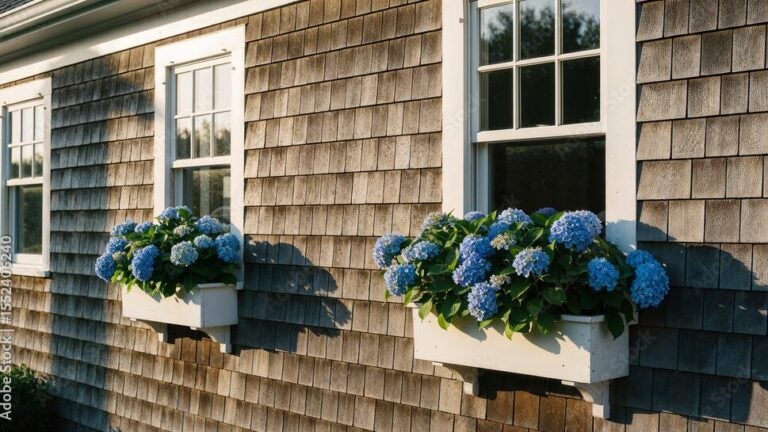
Often when we are putting a project together for a client, we are faced with trying to blend a new addition or a remodeled part of the house seamlessly into the exterior of the existing house.
In rare instances, the homeowner will simply strip the current siding and trim off the house to start new, but this is costly and often exceeds their budget. So more often than not, we are faced with determining how to work with available materials and matching them with the existing structure.
Complicating things further is the desire by most owners for a more maintenance-free exterior. Sometimes, historical commission regulations can dictate exterior details on certain homes in certain neighborhoods. Luckily, there are options out there that make this all a little easier to navigate.
Wood siding: Virtually every house built in New England before World War II has wood siding. It could be clapboards, cedar shingles, or something called shiplap, which resembles clapboards. There are a few variations, but those would cover the vast majority of area homes. We have many clients who want to maintain the architectural integrity of their homes and find a perfect match for their original siding. The main concerns here are that these products are expensive to buy and install and, you are committing yourself to a lifetime of maintenance.
We advise clients to have their house touched up by a painter every 5 to 7 years. That will catch issues before they become full-blown problems, like rotted wood or a leak. The side of a house that gets the most sun will fail faster, so particular attention should be paid there.
You always want to keep trees and vegetation off the house, and that is doubly important with wood siding. The only wood siding we install is Western red cedar, which holds up very well when installed properly and maintained. We make sure the backs and end cuts are primed before installation. No raw siding or trim should ever be put on a house without back-priming. This, of course, adds to the cost. The quality of the wood nowadays is not what it used to be when trees grew naturally and were harvested quite a bit older than today’s wood. For that reason, proper installation and maintenance are key.

Fiber cement siding: This material has been making inroads everywhere in the New England area, and for good reason. Fiber cement siding, when properly installed, has some pretty significant advantages over wood or vinyl. The product is tough and will last far longer than wood. It actually hasn’t been around long enough to know just how long it lasts in New England weather. Fiber cement is a modern, safer version of the asbestos siding that was very common in the post-WWII housing boom. That siding has been on homes for 75+ years, and when painted, looks as good as the day it was installed. The bet is that fiber cement will have similar longevity. Another bonus for fiber cement is that it comes pre-painted, and matching touch-up kits and caulking are used during installation, so it saves a lot of money in maintenance. The number of color choices are quite substantial, so finding one you like is easy. If you don’t find a color you like, it can be ordered primed, and you can paint it any color.
For me, I think fiber cement’s best attribute is the variety of styles it comes in. You can have clapboards (smooth or textured face), shingle siding, shiplap, or vertical V groove siding, to name a few. This allows you to integrate into an existing style, complement an existing style, or simply start new. We recently did a project that had the entire original house done in vinyl siding, which actually looked nice. We wanted a more robust but maintenance-free exterior, so we opted for the fiber cement shingle look in gray on a large addition that we did on the back of the house. The combination of gray shingles and white “clapboard” is classic New England coastal design and the finished product was quite nice. They blended beautifully.

Vinyl siding: We do not install much vinyl in and around the city. Most homeowners who want maintenance-free exteriors are going with fiber cement. It is, however, a viable alternative where the budget is tight and the need to blend aesthetically into a particular neighborhood is not critical. A quality vinyl siding installed correctly can last many years, and is by far the most cost-effective. Vinyl also comes in different styles, from clapboard to a cedar shingle look, even vertical siding. The color palette has increased over the years, so there is more variety. Some drawbacks with vinyl are that it is not very durable and it does not integrate easily with existing siding and trim. Vinyl does hold its color far better than it used to and believe it or not, can be painted if the color has faded too much. A light-colored acrylic latex paint professionally applied can give a great facelift to an existing house.
Trim: Like siding, trim options have improved dramatically over the years. There are a number of great products on the market, such as PVC and recycled composites, that are more eco-friendly. Even when we are using wood siding, we are almost exclusively using composite materials for the trim. By trim, I mean mostly the corner boards of a house, window and door trim, and the soffit/fascia/rake details that wrap around the roof. This would also include the trim around a set of stairs, especially if they are close or at ground level. These trim elements of the house tend to be the first things that experience rot and go unnoticed until it’s too late and you have problems underneath. The trim around the roof lines is notorious for harboring rot that no one picks up on because it is so high up. The repair costs can be substantial. Composites avoid those issues, saving a lot of headaches down the road. The composite trim does not come in colors (unless you want white), so they do need to be painted and maintained over the years. The paint holds up better for composites than for wood, so the timelines are much longer. You do need to use acrylic latex paint that will move with the seasonal expansions and contractions of the material. The composite trims nowadays also have a large variety of accessory profiles to add flair to your home. These include crown moldings, bed and band moldings, ceiling moldings, corbels, and brackets for porches. We use composites for porch ceilings, you can get V-groove or beadboard to mimic the original style of the house.
There are several companies that make fiberglass or aluminum gutters that when painted, look just like the old wood gutters that are common in this part of the country. Many historical commissions will accept these new materials and profiles, knowing that they will outlast anything made from today’s wood and that, in the end, they are doing a better job of maintaining the character of the building.
In short, the good news is that there is a lot to choose from when siding and trimming your house. The bad news is, you have to sift through a lot more options to know what’s right for you, your budget, and your home. A professional remodeling company can walk you through all the pros and cons to settle on what’s right for you. Have some fun with it!
Mark Philben is the project development manager at Charlie Allen Renovations in Cambridge. Send your questions to [email protected]. Questions are subject to editing.
Our weekly digest on buying, selling, and design, with expert advice and insider neighborhood knowledge.




To comment, please create a screen name in your profile
To comment, please verify your email address
Conversation
This discussion has ended. Please join elsewhere on Boston.com