
Report: Wet weather to blame for most insurance claims in Boston
Water damage wrought by Mother Nature was the basis for 32 percent of filings in the region.
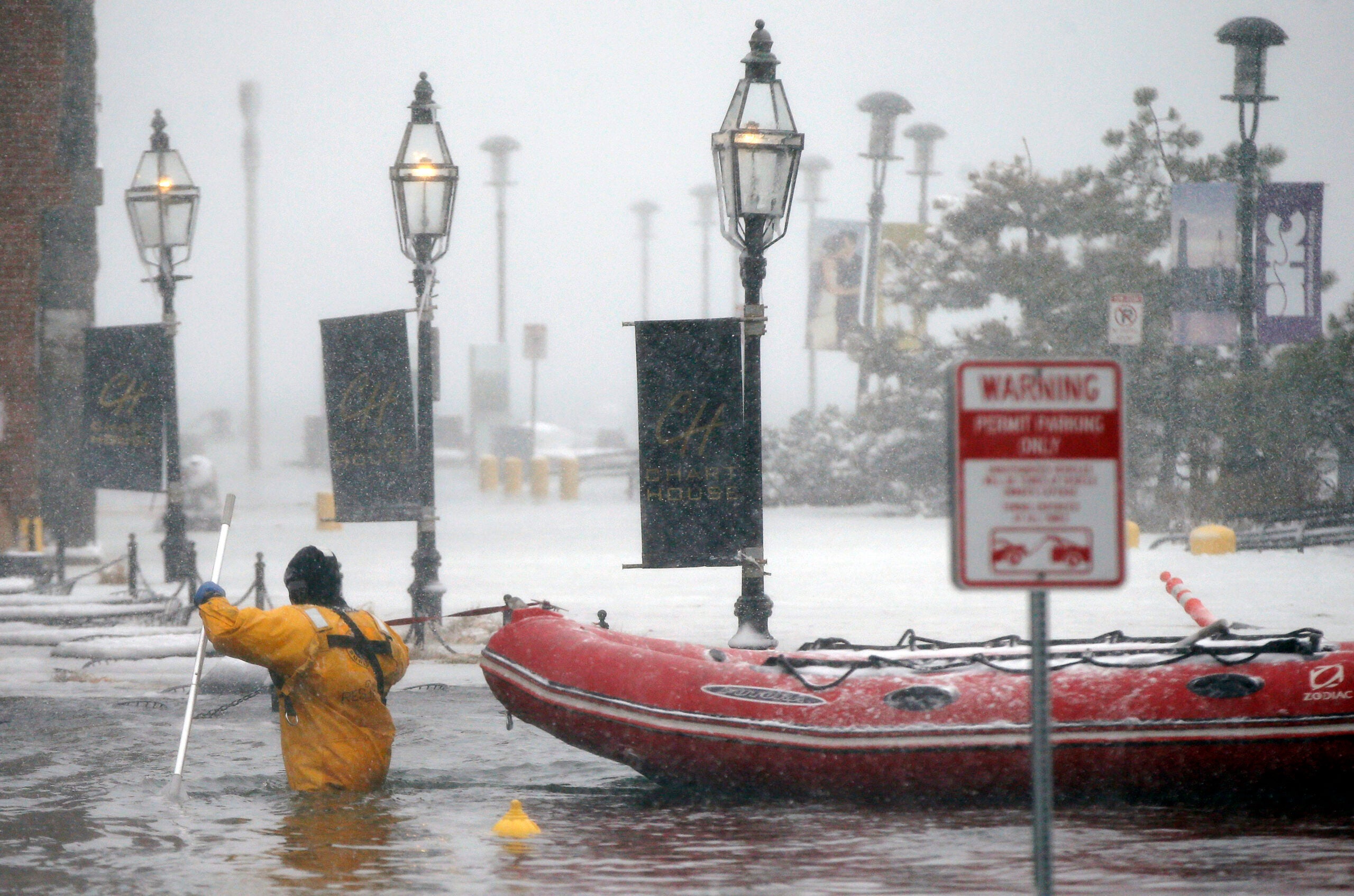
Weather-related water problems are the most common and expensive cause of home damage in Greater Boston, according to a recent analysis by Travelers.
The insurance company looked at eight years of claims data and found that water damage wrought by Mother Nature was the basis for 32 percent of filings in the region. Water damage not tied to the weather came in a close second, at 20 percent. Wind damage was behind 17 percent of the claims, with theft and ice and snow making up the majority of the rest. Those ice dams that haunt us every winter? They actually fall under the weather-related category. To prevent ice dams, the company suggests cleaning your gutters, insulating the attic, improving your home’s ventilation, and installing a water-repellent membrane under the shingles on your roof. (See our expert advice for preventing ice dams and basement flooding.)
Water problems not tied to the weather can also cause considerable damage.
“Water leaks from pipes, water heaters, air-conditioning units, refrigerators, and washing machines are among the most common causes of damage,” according to the report, which offers the following advice:
Short-term steps:
- Know how to shut off your main water supply. If you will be away from home for an extended period, consider shutting off the water and draining the pipes.
- Inspect appliances, such as water heaters, showers, tubs, toilets, sinks, and dishwashers annually, and have them repaired if there are any signs of leaks or corrosion. When possible, install water heaters and washing machines in areas with floor drains to minimize damage if leaks should occur.
- Check pipes for leaks and cracks and appliance hoses and plumbing fittings for signs of breakage, crimping, or bending.
Long-term steps:
- Install a smart device with sensors that can detect the presence of water and shut off the main supply. Some devices can also send alerts to your smartphone.
- Consider placing sensors near washing machines, dishwashers, refrigerators, hot water heaters, sinks, toilets, and other things that are connected to the water supply.
Knowing where your home is vulnerable can save you a lot of money and frustration.
Subscribe to the Globe’s free real estate newsletter — our weekly digest on buying, selling, and design — at pages.email.bostonglobe.com/AddressSignUp. Follow us on Facebook and Twitter @globehomes.





To comment, please create a screen name in your profile
To comment, please verify your email address
Conversation
This discussion has ended. Please join elsewhere on Boston.com