
Ask the Carpenter: How to fix the gap between your cabinets, ceiling
Ask the Carpenter's Rob Robillard also weighs in on sump pump lines and restoring stone fireplaces.
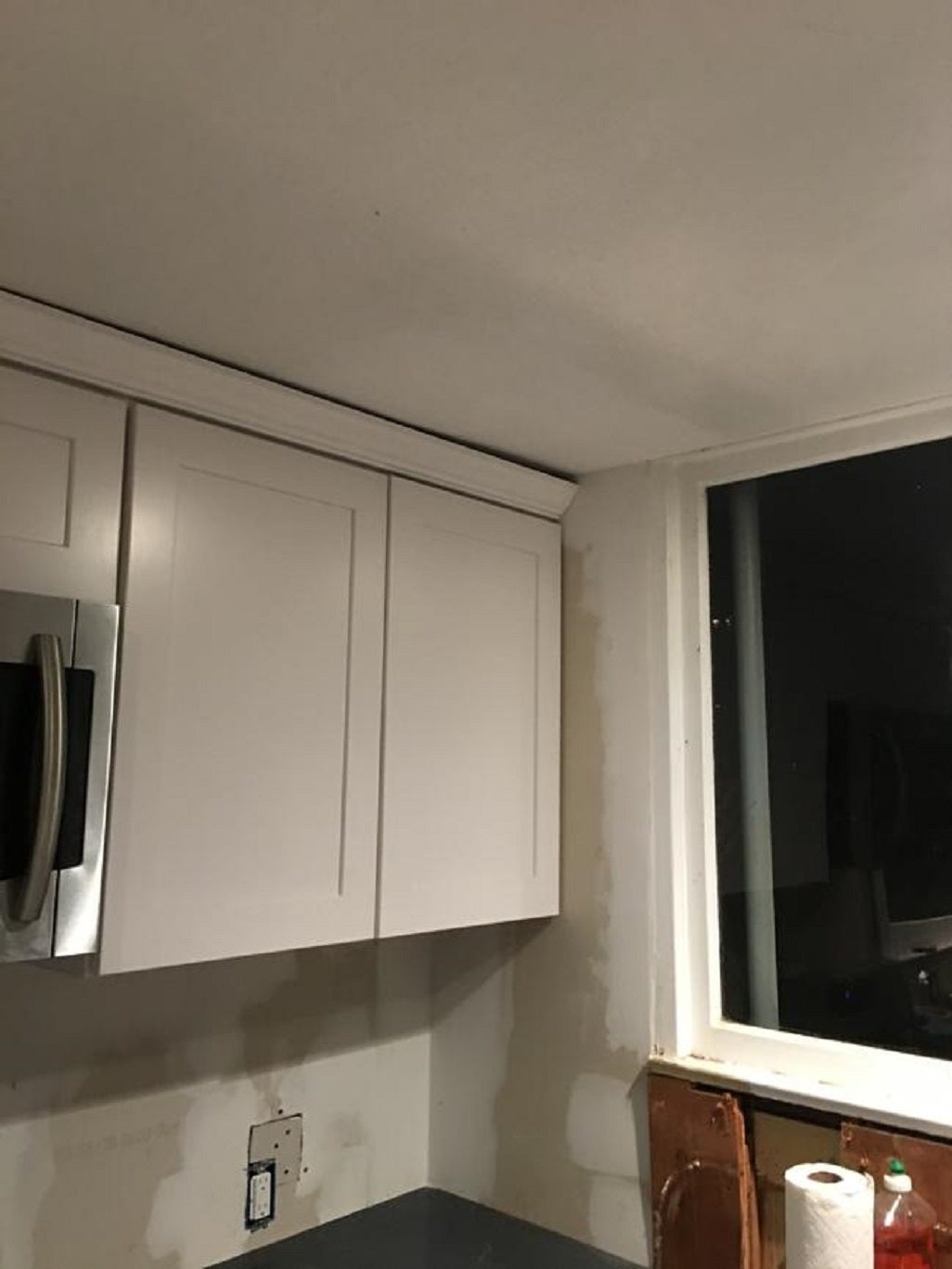
Q. My daughter just had kitchen cabinets installed, and there’s a noticeable gap between them and the ceiling. It’s an old house, so the ceilings are probably not level. Can anything be done to fill in the gap?
KATHLEEN PUCKETT, Cambridge
A. This is a common problem in old houses when you install the cabinets to the ceiling. When the gap isn’t that big, we’ve scribed the top of the molding to fit the uneven ceiling. The issue with this is you can cut off only so much before it negatively affects the crown molding details. Other times, its best to re-skim the ceiling and “float’’ the plaster to close the gap.
Q. I have lived in my home for more than 40 years. I have a large fieldstone fireplace that has darkened. Is there anything I can do restore the stones back to the light and dark tones that once were so striking?
JANET MEYER
A. Could it be soot? I suppose an acid wash would clean the stones, but that brings in a whole host of issues with damaging interior finishes. My first call would be to a reputable mason.
Q. After our sump pump failed and needed to be replaced, the plumber added a new sump pump line out of the house in case the old one was partially blocked and causing the failure. The old line went underground into the yard. The new line is PVC pipe that is on top of the ground and drains away from the house. Does this pipe need to be buried?
DOUG, Lexington
A. No, not necessarily. The old sump may or may not be tied to a dry well or other outlet pipe. I’m guessing that the plumber was skeptical of the end of run on this pipe and opted for guaranteed success. I agree with that decision as long as the water can drain down and away from your home’s foundation.
Is the grade sloped away from your house? If not, maybe you should consider installing a dry well and piping the sump pump to it. Dry wells give downspout or sump pump water a place to go if the existing grading does not allow for runoff or if there are hardscape issues (patios, driveways, walkways, etc.) If installed correctly, they will also work in freezing temperatures. Installing a dry well is not hard, but it is labor intensive if you do not have access to a backhoe or some other digging machine.
The dry well gives water a place to percolate into the ground away from the foundation of the house. It is important to choose a location at least 10 feet away from the foundation and to make the dry well hole 6 to 7 feet deep. It’s important to install the dry well below the frost line, which can go as deep as 2 feet in this area. Installing the dry well deeper ensures that it will continue to drain even in cold temperatures.
Rob Robillard is a general contractor, carpenter, editor of AConcordCarpenter.com, and principal of a carpentry and renovation business. Send your questions to [email protected] or tweet them to @robertrobillard. Subscribe to our free real estate newsletter at pages.email.bostonglobe.com/AddressSignUp.



To comment, please create a screen name in your profile
To comment, please verify your email address
Conversation
This discussion has ended. Please join elsewhere on Boston.com