
Ask the Carpenter: How to re-hang a painted door that doesn’t close correctly
Rob Robillard explains how a door works.
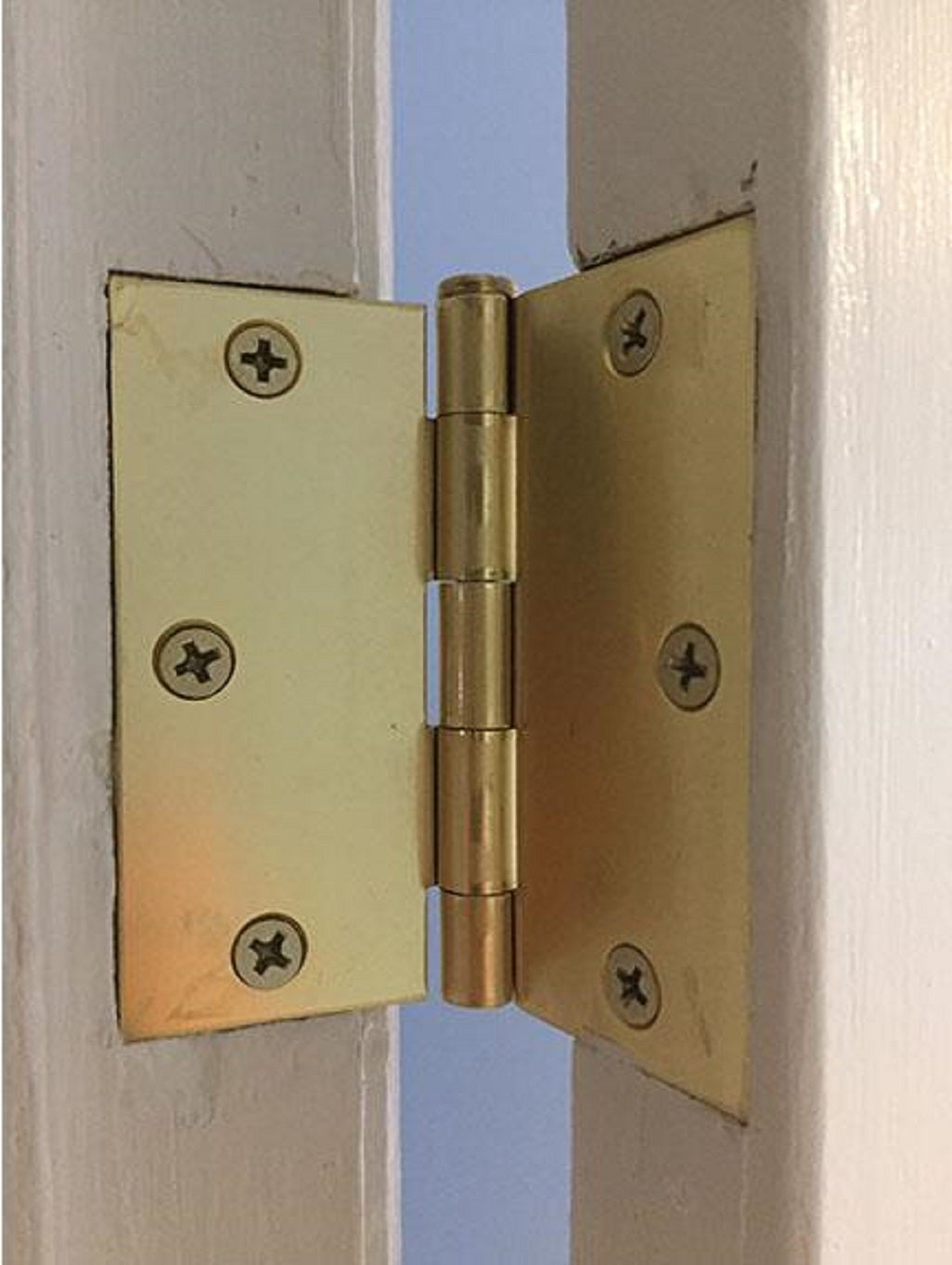
Q. I am repainting all of our first-floor doors and replacing the existing painted-over hinges. The old hinges are 3½ inches, and the new ones are the same size. The doors used to close easily, but now I have to push the last 2 inches to close and secure them to the latch. It seems as if the new hinge is creeping and pulling away from the door frame when I close it. Did I do something wrong? Is there anything I can do other than put the old hinges back on?
BILL
A. Doors that bind or will not close properly are a common problem. If the door binds and the hinges are secure, the problem is misalignment of the hinge mount.
This might cause the door to creak or to spring back from a closed position. If the hinge mortise in the jamb (door frame) is set too close to the stop (the piece of wood nailed to the frame to keep the door from swinging through), or if the hinge leaf attached to the door’s edge is not set far enough across the door’s width, the door will bind against the jamb stop. If this is the case, you will probably see telltale signs of scraped paint on the door where it rubs. This repair may require you to adjust the screw holes.
Many times the hinge mortise is cut at an angle and needs to be shimmed at that point. Other times, one or more hinge mortises are too deep and need to be shimmed or re-cut.
A hinge leaf that isn’t flush with the jamb face can prevent a door from operating properly. I think this is what you are experiencing. It’s tough to tell from your pictures, but I do see a small gap. Run your finger over the jamb and hinge as well as the door edge and hinge to ensure that the hinge is flush with both surfaces.
If it isn’t, remove the screws to reveal the mortise. If the hinge leaf and the mortise were not aligned so that the hinge leaf was fully seated in the mortise when the screws were driven, there will be a compression mark from the hinge. With a utility knife, carefully cut along this line to expand the mortise. Use a sharp chisel to remove the wood waste and to clear any paint, tape, or wood debris that might keep the hinge from sitting fully in the mortise, and then reattach the hinge.
Dear Rob
From Frank van den Elzen regarding the Sept. 3 article on popcorn ceilings (“Ask the Carpenter: Getting rid of popcorn and swirl ceilings’’): Asbestos has been used to make popcorn plaster lumpy.
Rob: Thanks for the great information, Frank. If you have a popcorn ceiling, get it tested before you do any work, and if the results are positive, have the repairs performed by an asbestos-removal professional. Asbestos is a carcinogen. According to the National Cancer Institute, “When asbestos fibers are breathed in, they may get trapped in the lungs and remain there for a long time. Over time, these fibers can accumulate and cause scarring and inflammation, which can affect breathing and lead to serious health problems.’’
Rob Robillard is a general contractor, carpenter, editor of AConcordCarpenter.com, and principal of a carpentry and renovation business. Send your questions to [email protected] or tweet them to @robertrobillard. Subscribe to our free real estate newsletter at pages.email.bostonglobe.com/AddressSignUp.



To comment, please create a screen name in your profile
To comment, please verify your email address
Conversation
This discussion has ended. Please join elsewhere on Boston.com