
Ask the Carpenter: How to test your bathroom exhaust fan
Carpenter and contractor Rob Robillard answers a reader's question about bathroom fans and hears readers' advice on eliminating cooking odors.
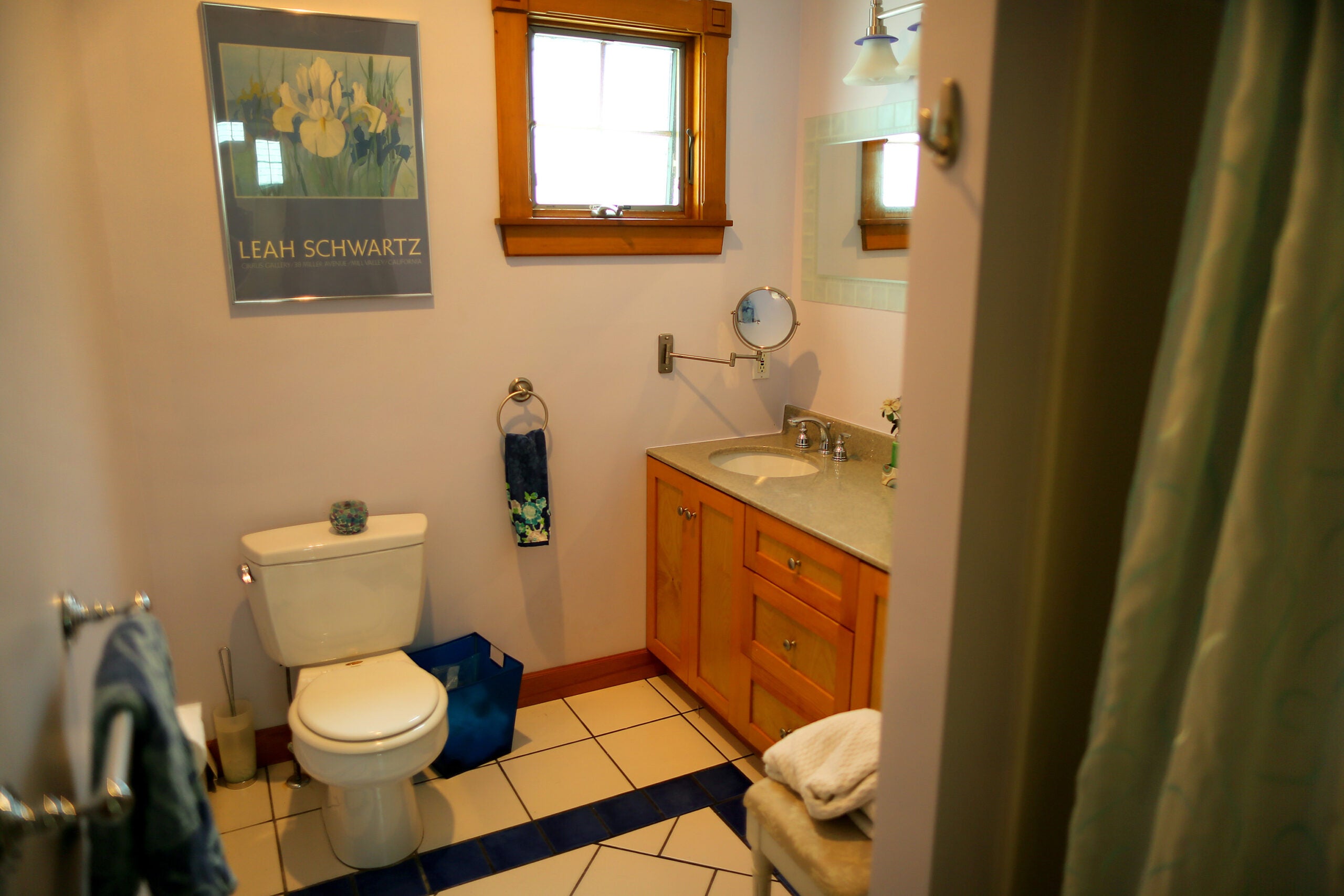
Q. The bathroom fans in our house are supposed to vent out via a soffit, but we think much of the exhaust is staying in the attic. There are exhaust tubes to vent the soffits. The attic is just used for storage and has plywood as flooring on part of the space. The rest is covered by loose insulation. We have a ridge vent, end vents, and side soffits. We added the ridge vent when we replaced the roof. The exhaust tubes probably get jostled when we take stuff in and out of the attic. What is the best way to ensure that the exhaust is venting out of the soffit?
CAROLINE
A. First, test your fan to see whether it has suction. Turn it on, then take a piece of printer paper and hold it in your palm, close to the fan. If your fan motor is operating properly, it will suck the paper up to the grill and hold it there. Second, with the fan on, go outdoors and take a look at the vent hood. Is the damper open? Is there anything blocking the hood flap (bees, bird nests, etc.). Third, make sure the vent pipes in the attic are connected and straight. Flexible plastic and aluminum vent hoses can kink, bend, or be crushed. I’d replace any flexible hose with solid aluminum piping, if possible. Solid pipe is far more durable. If you’re worried about pipe damage, you can always build a plywood cover to protect it.
Dear Rob
From Marge in Newburyport: Thank you for the wonderful and timely piece on cleaning kitchen cabinets (“Ask the Carpenter: Tips for getting the grime off your kitchen cabinets,’’ May 14). I have been looking at ours, and after I read your article to my husband, he said, “I will clean the cabinets as a Mother’s Day gift to you.’’ So, thanks again. He is now hard at work in the kitchen with your recipe.
Readers respond to a question about cooking odors (“Ask the Carpenter: Advice on getting rid of textured ceilings, cooking odors,’’ May 7):
From Dom in Concord: A blower door test, although a little pricey, should pinpoint the air leaks between the units and the source of the cooking odors. Of course, getting into a common area to seal could be another costly undertaking.
From Craig Robson in Ipswich: I would suspect that the hood vent piping may be tied together before the exit. You could check in the attic, if accessible. You could also try running the range hood to see whether this eliminates the odor when the neighbor is cooking.
From Mike (no community given): You made a good point about fiberglass and cellulose insulation not stopping air movement. To control the air in the condo more successfully, the first step is to address air leaks. The owner should reach out to Mass Save to find a company specializing in air sealing and have them address the shared wall. The homeowner can also put on every fan — bath and kitchen exhausts and the dryer — when the neighbor is not cooking and try to detect the sources of air movement. Those should be sealed with caulk and canned foam. The next step is to stop making the owner’s unit suck the air from the neighbors by:
■ Installing heat recovery ventilation (HRV) or energy recovery ventilation (ERV) in place of the bath exhausts;
■ Adding a supply path such as an air cycler to the heat, ventilation, and air-conditioning system;
■ Providing makeup air for the owner’s exhausts (the dryer can use 200-300 cubic feet per minute, a range hood 100-500). This would be ducted outdoor air that comes in thanks to a relay switch connected to a device.
Rob: Great advice, readers. Thank you.
Rob Robillard is a general contractor, carpenter, editor of AConcordCarpenter.com, and principal of a carpentry and renovation business. Send your questions to [email protected] or tweet them to @robertrobillard. Subscribe to the Globe’s free real estate newsletter at pages.email.bostonglobe.com/AddressSignUp.





To comment, please create a screen name in your profile
To comment, please verify your email address
Conversation
This discussion has ended. Please join elsewhere on Boston.com