
Ask the Landscaper: Shrubs, plants you can use instead of a fence
For some of us, our outdoor living feels a bit more public than we prefer, and particularly uncomfortable if we’re near the road or in a busy neighborhood.
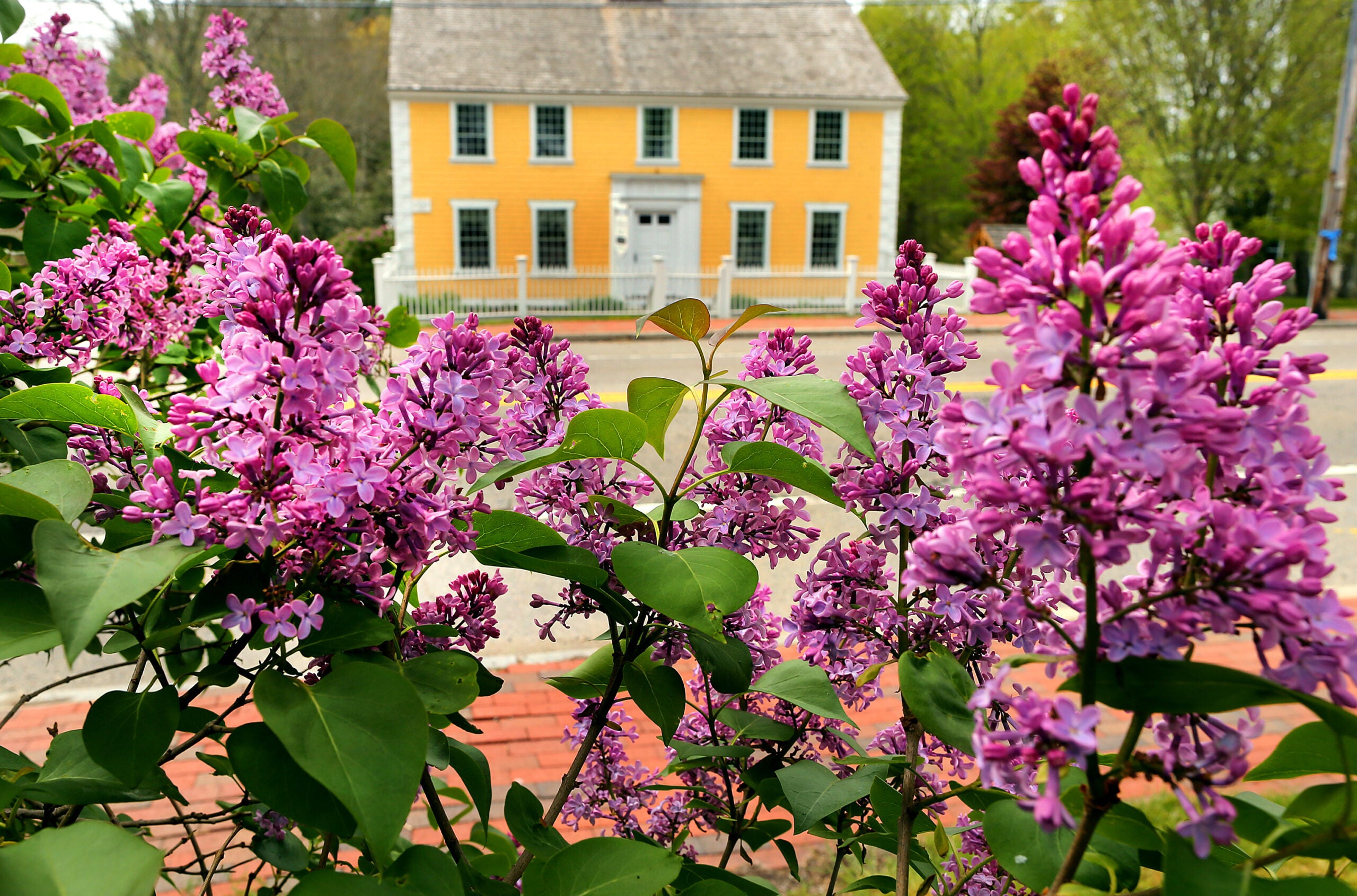
As April arrives, we New Englanders welcome spring, the time of year we yearn for all winter, and the possibilities proliferate for enjoying our yards. For some of us, our outdoor space feels more public than we prefer, and particularly uncomfortable if we’re near the road or in a busy neighborhood. In addition to privacy, we may want to enhance the utility of our space by buffering the wind, reducing dust, muffling noise, excluding unwelcome visitors (including deer and other animals), creating a more appealing background for activities, and complementing existing plantings.
Putting up a fence or wall might seem like the obvious solution, but a living barrier may be just as economical while conveying a friendlier, more environmentally sustainable, and less exclusionary message.
You’ll find plenty of horticultural options, and not just those ubiquitous arborvitae hedges. Cypress, juniper, spruce, pine, yew, hemlock, holly, boxwood, and rhododendron are among your evergreen choices. And hedge plantings need not be evergreen or totally solid to function effectively: The dense branching of lilac, hornbeam, forsythia, and privet, for example, makes suitable screening for many yards, as do tall ornamental grasses.
The texture of the foliage, stem, and branch should be an important consideration for both evergreen and deciduous barriers. Leaf and stem colors offer seasonal variation to enhance the appeal and help create a more exciting “outdoor room’’ effect. Flowering trees and shrubs are often fragrant and offer the additional benefit of seasonal variability. Some produce attractive fruit as well.
Another idea is to use a combination barrier. Planting a vine to grow on or along a wood or wire fence can soften the appearance of the barrier; climbing or twining vines like clematis, Dutchman’s pipe, and wisteria are worth considering. A solid wood, stone, or brick wall can be visually enriched by attaching containers of flowers or training up a long-lived clinging vine like Boston or English ivy, trumpet vine, climbing hydrangea, or Virginia creeper.
How tall, wide, and fast-growing you want your barrier to be are key considerations. Assess the soil and light conditions: Some plants perform better than others in sandy soils or moist areas, sun or shade. Maintenance and pest resistance should be a concern, too. (Note: If the deer have already browsed the bottom branches of your hedge, try planting a deer-resistant shrub beneath, like leucothoe, bayberry, or boxwood, to fill in the open spaces.)
Any type of barrier is a long-term investment. Weighing available resources, personal preferences, budget, and time you want to invest, both in installation and upkeep, will help you pinpoint your options. It’s wise to consult with landscape professionals or your local garden center. They can consider your budget, show you the plants that meet your criteria, and help you decide the size and spacing of the plants and how many you should buy.
R. Wayne Mezitt is a third-generation nurseryman, a Massachusetts certified horticulturist, chairman of Weston Nurseries of Hopkinton and Chelmsford, and owner of Hort-Sense, a horticultural advisory business. He is also trustee chairman for the Massachusetts Horticultural Society at The Gardens at Elm Bank in Wellesley. Send comments and questions to [email protected]. Subscribe to the Globe’s free real estate newsletter at pages.email.bostonglobe.com/AddressSignUp.



To comment, please create a screen name in your profile
To comment, please verify your email address
Conversation
This discussion has ended. Please join elsewhere on Boston.com