
Tips on finishing, insulating basement floors
We plan to finish our family room in the basement. What is the best type of flooring to use there?
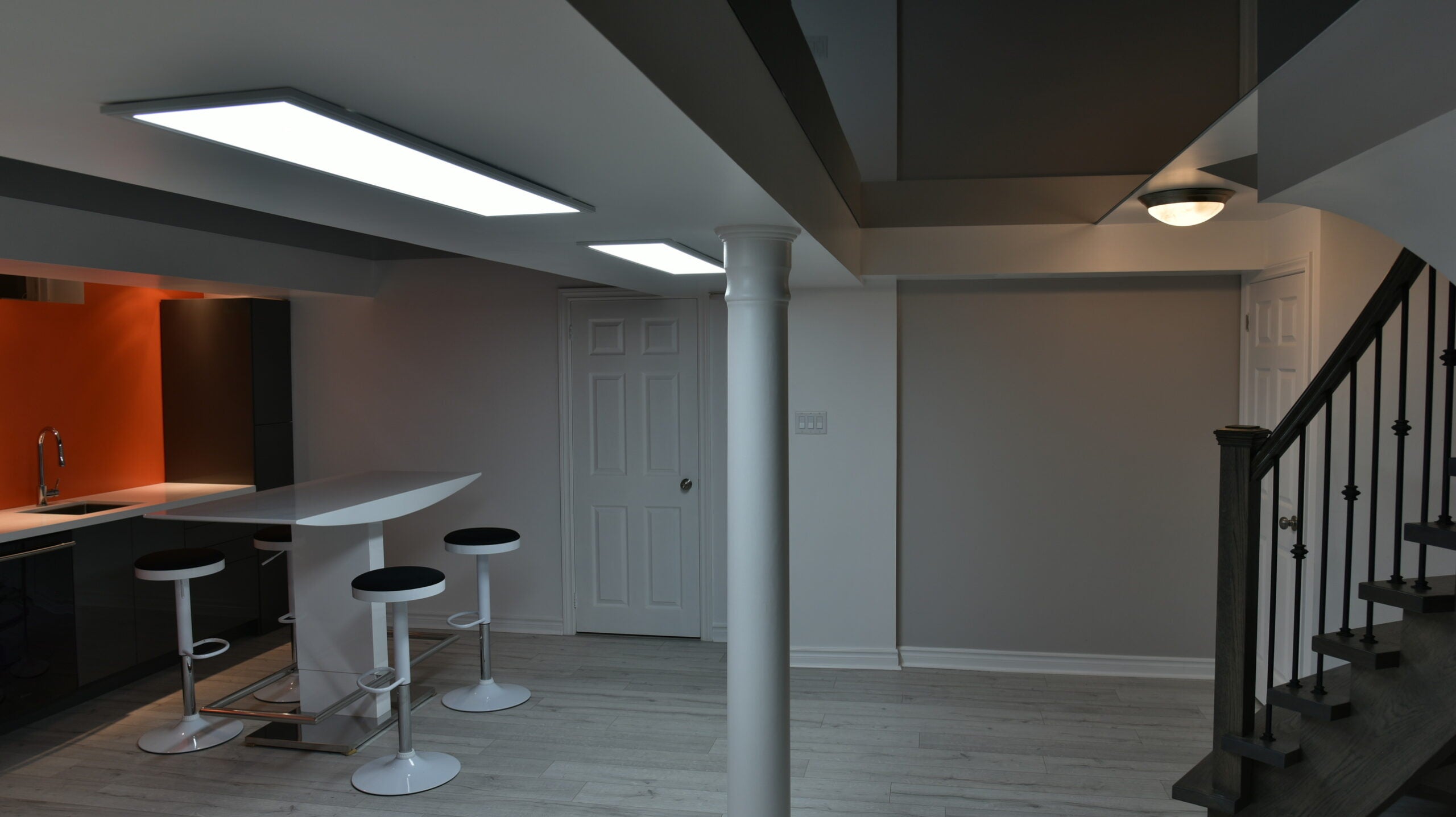
Q. We plan to finish our family room in the basement. What is the best type of flooring to use there? There has never been any water issue. Thanks for your help.
JOE
A. The best flooring is one that you will enjoy and will last. I prefer ceramic, slate tile, or vinyl instead of carpet; you may never have had a water issue, but that doesn’t mean you won’t. If you do, you’ll have to replace the carpet or have it professionally cleaned, sanitized, and deodorized. If you do want carpet in your basement, then get it. Be sure to install a vapor barrier before putting down a wood subfloor or carpet pad.
Q. I read your article on mold-free basements with interest (“Tips for a finished basement that’s mold-free,’’ Dec. 18). I own a log home in northwestern Maine with a walkout basement. The home is on sloping ground on the shore of a large lake, with the side away from the waterfront 8 feet below ground and the side facing the water even with the terrain.
Several years ago I glued rigid polystyrene insulation to all three of the inside concrete walls in my basement. The wall on the walkout side is wood inside and out, with insulation between. Despite this insulating project, I still have a mold problem.
Although your article speaks about insulating the walls, you say nothing about the concrete floor. I suspect that the uninsulated floor represents the largest surface for some level of condensation in my basement. I would appreciate any ideas you might have for dealing with this cold floor.
BOB MCCLATCHEY
A. Since your floor is already poured, you’ll have to add insulation to the surface. The only issue to watch out for in this situation is the height. You’ll probably end up with 1 inch of foam board, ¾ of an inch of sleepers (wood strips fastened to the concrete slab to support a wood floor), and ¾ of an inch of subfloor, for a total of 2½ inches. You’ll probably have to lift the doors and reconfigure the stairs, but you’ll have a very warm, comfortable floor and a whole lot less moisture in your basement.

Q. Should I be concerned about the supports in my house, which is 37 years old?
MARIO PINTO
A. Yes, you should be concerned. Just by looking at the photo it’s impossible for me to know whether the support posts have been weakened, but they just might be. I suggest having them inspected by a qualified person such as a structural engineer. As a stopgap, you can install temporary screw-type jack posts on either side of this column. The replacement of a support column is a fairly straightforward process, but it’s not an easy DIY project. The job is best left to a contractor.
Rusted column bottoms are common and are caused by high relative humidity and condensation on cold surfaces, prevalent in basements. I see this all the time, and the best preventive measure is to paint them before the rust starts to eat away the metal casing. If you decide to paint, sand the rusty spots and apply a converter such as Rust-Oleum’s Rust Reformer. This stuff works great and changes any remaining rust into a black, inert substance that can be painted. Apply a rust-resistant primer to the columns and follow this with two coats of rust-resistant paint.
Q. My concrete basement floor has a slight 15-foot crack. Is this something I shouldn’t worry about, call in a contractor to look at, or paint?
M.L., Plymouth
A. I wouldn’t be concerned about anything that is less than ¼ inch thick. Most times, these are nonstructural cracks. They can be the result of settlement of the building; concrete shrinkage; curing, stress, or vibrations caused by trains and trucks traveling nearby; and poor construction. I never recommend painting concrete.
Rob Robillard is a general contractor, carpenter, editor of AConcordCarpenter.com, and principal of a carpentry and renovation business. Send your questions to [email protected] or tweet them to @robertrobillard.





To comment, please create a screen name in your profile
To comment, please verify your email address
Conversation
This discussion has ended. Please join elsewhere on Boston.com