
The reality of getting rooftop solar panels
Google’s “Project Sunroof’’ has debuted in Boston. Should you use it?
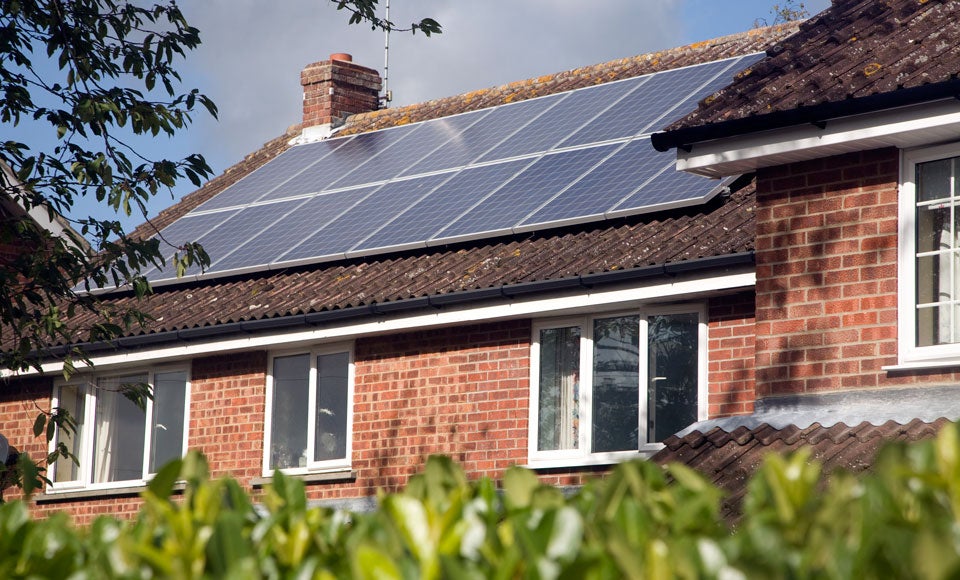
“Project Sunroof,’’ a new tool created by Google that uses Google Maps data to analyze how much money you could save in energy costs if you got solar panels on your roof has debuted in Boston.
The tech giant promises to connect users with a solar panel installation company if they’re interested in making the eco-friendly upgrade.
But before you make the plunge, you might want to know the reality of getting solar panels – the installation and equipment costs, upkeep, and overall savings.
Here’s what you need to know:
Installation
The cost of installing solar panels varies depending on roof size, panel choice, and incentives your state offers. New England Clean Energy said panels can run anywhere from $10,000 to $50,000 before incentives, but a federal tax credit automatically takes 30 percent off your cost, and that’s before your state’s incentives are taken into account.
Massachusetts offers a personal income tax credit (either 15 percent off the total cost of the solar panel system, or $1,000 – whichever is lesser.) The Bay State also provides solar panel owners with Solar Renewable Energy Certificates (SREC), or credits for excess energy produced by their systems. These credits could equal hundreds or thousands of tax-free income each year.
Upkeep
Solar panels are mostly maintenance-free, according to New England Clean Energy. A few times a year, inspect them for dirt buildup and spray them with lukewarm water from a standard garden hose.
When snow accumulates, homeowners are advised to let it melt on its own, although some companies have created panel systems that sense precipitation buildup and direct solar energy to melting snow, sleet, and ice.
Most panels have warranties for up to 25 or 30 years.
Savings
That’s where Project Sunroof comes in. The system calculates your estimated annual and 20-year energy savings by analyzing how much solar exposure your area gets, the size of your roof, and the cost of your current electric bill.
It also provides users with the differences in cost for leasing, loaning, or buying panels.
Bye, fossil fuels!
Safest towns in Massachusetts:




To comment, please create a screen name in your profile
To comment, please verify your email address
Conversation
This discussion has ended. Please join elsewhere on Boston.com