
How Greater Boston’s middle class has thinned since 1990
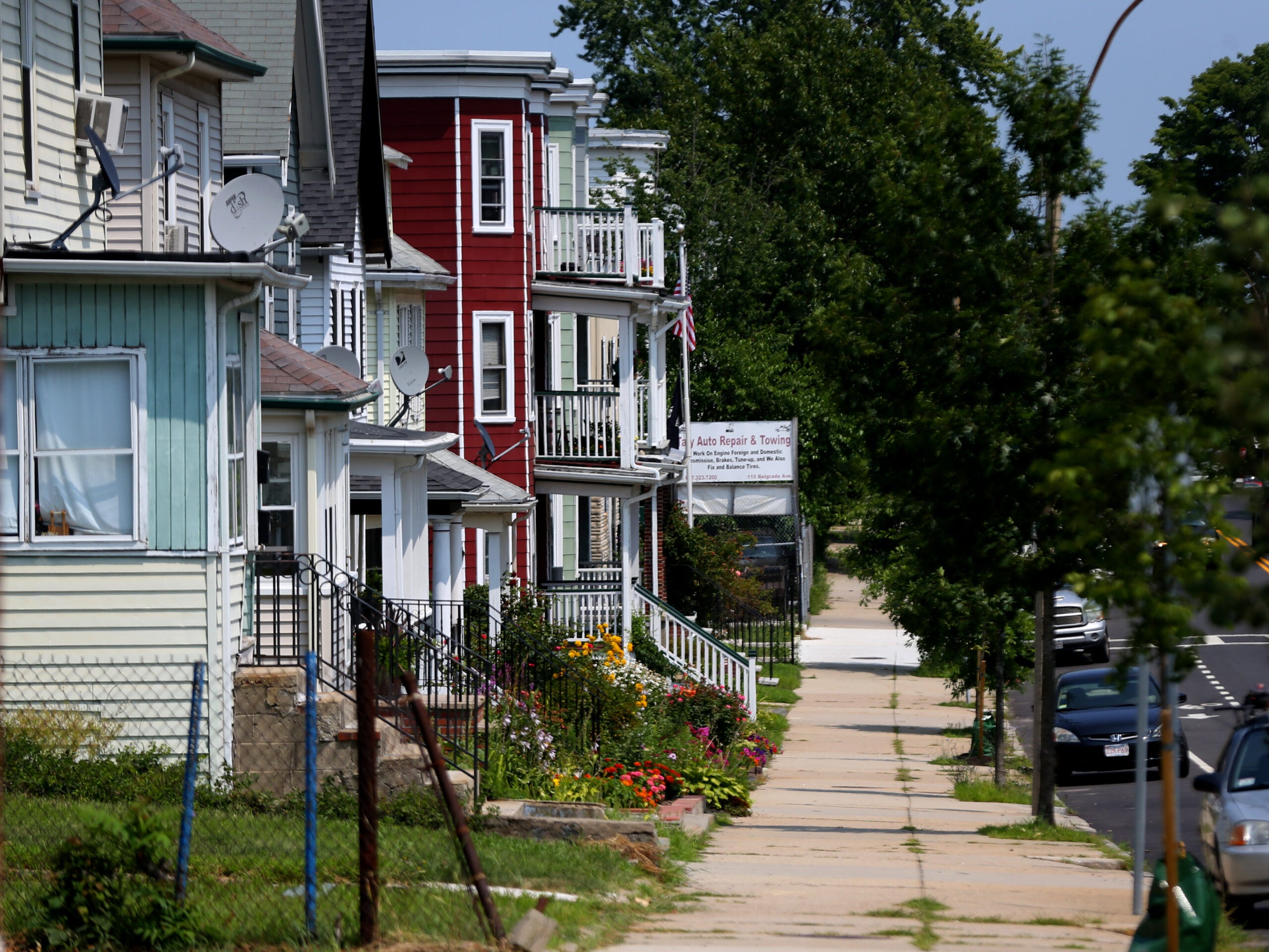
Meet the Boston area’s newest endangered species, middle-class parents with kids.
Relentlessly rising home prices and rents are driving middle-class families out of Greater Boston, a new report finds.
The ranks of middle-class families with children have thinned steadily from Boston to outer suburbs along I-495, dropping 11 percent since 1990, a new report by the Urban Land Institute finds. (Disclosure: The reporter has previously helped compile reports for the Urban Land Institute, but had no involvement in this study.)
Boston itself saw the number of families in the middle fall 14 percent, while the “inner ring” of communities immediately surrounding the city – Everett, Cambridge, Quincy – saw an even steeper 16 percent drop.
The exodus has come as housing costs have rocketed. The number of middle-class homeowners shelling out more than 30 percent of their paycheck on their mortgage has soared, from 27 percent in 1990 to 43 percent by 2014, according to the study, which was researched by the Metropolitan Area Planning Council.
“Boston’s middle class is being priced out of the urban core in large part because of high housing costs. Immediate and aggressive action…will be required to help avert adverse consequences for the region’s competitiveness and quality of life,” said Stockton Williams, executive director of the Terwilliger Center for Housing, which hosted a conference on the issue with ULI.
High prices, in turn, are making it difficult for buyers, especially those on the lower end of the middle-income scale, to find anything affordable.
Just 22 percent of single-family homes sold across Eastern Massachusetts in 2014 and 2015 were affordable to a middle-class family with two kids making $75,000, the study notes, citing stats provided by The Warren Group, publisher of Banker & Tradesman. That number rises somewhat for condos – 39 percent –but is still far less than half.
But renters have it even worse. Just 12 percent of listings for apartments with two bedrooms or more were affordable to a family making $75,000.
There is a greater percentage of affordable rentals in Gateway cities like Lowell, Brockton and Lynn, according to the report.
In order to keep up with a growing economy and bring more stability to prices and rents, Greater Boston will need another 200,000 new homes, condos and apartments by 2030, the report contends.
“The region needs more housing to accommodate the growing workforce, and also for the sake of equality and economic opportunity,” the report notes. “Good housing policy can help sustain the middle class.”





To comment, please create a screen name in your profile
To comment, please verify your email address
Conversation
This discussion has ended. Please join elsewhere on Boston.com