
The exact month you should have bought a house in these Greater Boston cities
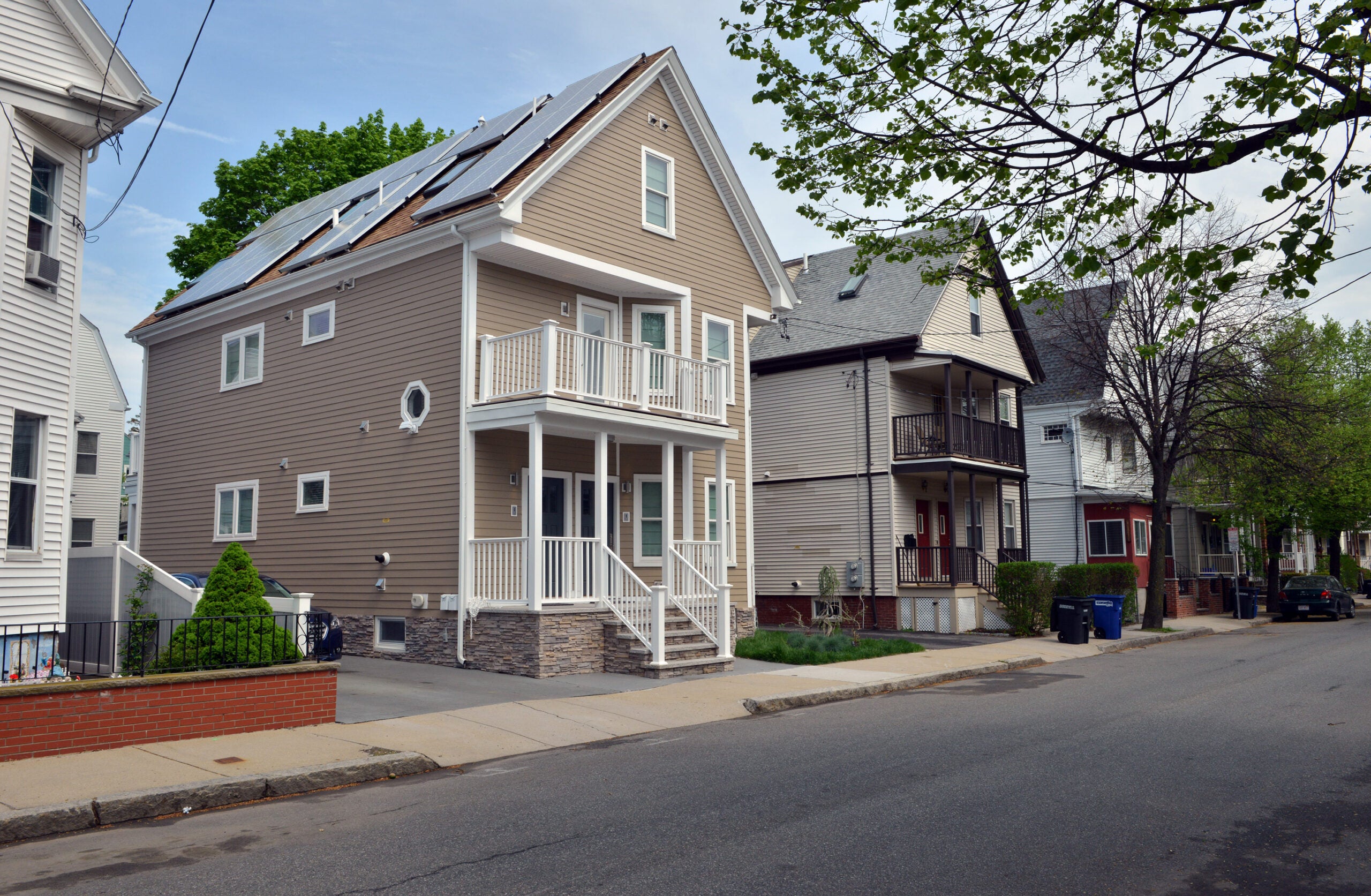
If you managed to buy a home in Somerville in April 2009, you hit the jackpot. You’ve seen the biggest post-recession return on investment of anybody in Greater Boston.
Home values in and around Boston have been rising steadily since the crash, in some places more than others. A new Zillow report pinpoints the exact month when prices bottomed out in the Boston-area towns where values have since appreciated the most.
Current owners who bought during that month have been the luckiest.
For example, Somerville residents that bought their home in April 2009 have seen their homes appreciate 55.2 percent, meaning if the home cost $344,000 to purchase in 2009, the home is now worth $533,900.
Other Boston towns and cities were not far behind.
“The luckiest homeowners are who were at the right place at the right time and the right time differs from place to place,” Skylar Olsen, senior economist at Zillow, told Boston.com.
Cambridge was right behind Somerville in terms of price appreciation, but actually bottomed out sooner. In May 2008 the purchase value was $416,800. Now it is at $644,400, which means homes have appreciated 54.6 percent.
Zillow also looked at Brookline, Boston, and Revere:
- Brookline: In June 2008 home values were at $507,100 and have increased 45.9 percent to $740,100.
- Boston: In April 2009, home values were at $327,500 and have increased 45.4 percent to $476,200.
- Revere: In September 2011, home values were at $222,100 and have increased 40.9 percent to $313,000.
“When we look at places that came back the fastest it’s a combination of things,” Olsen said. “One of those things could be [the town] fell further during bust so [it] had much more room to come back up again.”
She said the second factor could be that the town’s growth in more recent years was continued and sustained. She noted that Boston-area towns tended to hit their lowest point sooner than other parts of the country, which hit in 2011 or 2012.
“Some places just hit the wall faster,” Olsen said. “It was hard to say what would cause that turn around, but early job growth and faster recovery out of recession played a big part.”




To comment, please create a screen name in your profile
To comment, please verify your email address
Conversation
This discussion has ended. Please join elsewhere on Boston.com